Kurdistan Region Demands Special Provisions in Ongoing Customs Talks With Baghdad
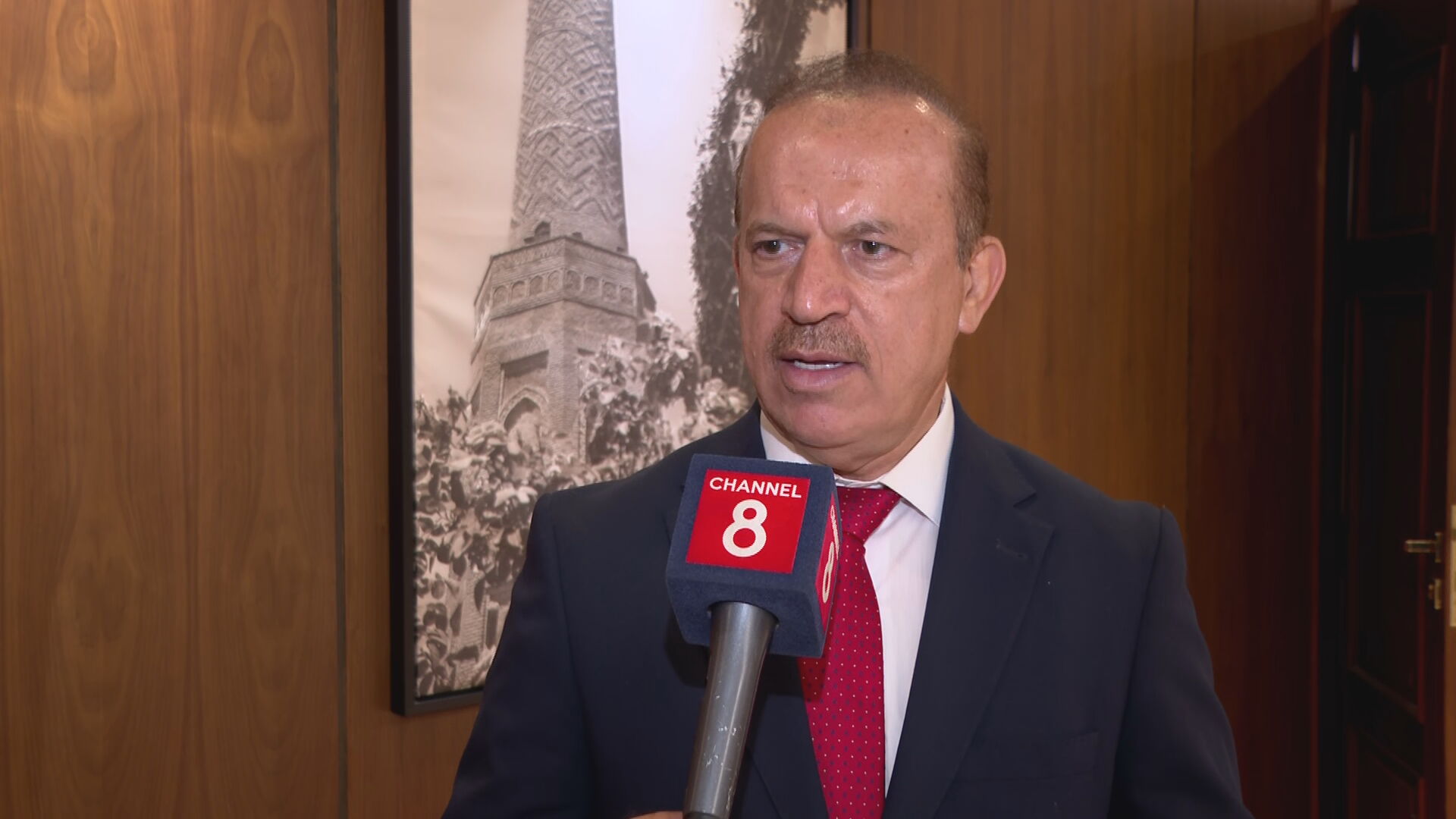
Mustafa Sheikh Abdulrahman, President of the Kurdistan Import and Export Union, stated that talks between the Kurdistan Region's delegation and Iraqi authorities are ongoing, with several issues remaining before reaching a final agreement. He emphasized that certain special provisions must be granted to the Kurdistan Region to reach an agreement.
The delegation visited Baghdad on Wednesday to hold a round of meetings to prepare the final draft agreement for merging customs systems.
The ASYCUDA system, a digital customs management system developed to streamline and modernize customs procedures, officially went into effect in 2026, coinciding with an increase in customs tariffs that the Iraqi government integrated directly into the automated platform earlier this year.
One of the key issues between Erbil and Baghdad over unifying customs tariffs and implementing ASYCUDA centers on revenue control, with the federal government demanding all border crossing revenues be routed to the national treasury before returning a 50% share to the Kurdistan Region.
In contrast, the Kurdistan Regional Government (KRG) proposes establishing joint border committees to directly manage and oversee the revenue collection process.
Erbil-Baghdad Negotiate ASYCUDA Deployment Amid Checkpoint Disputes
Speaking to Channel8 today, Abdulrahman reaffirmed that the new customs tariff has not yet been implemented in the Kurdistan Region, and the ASYCUDA system remains non-operational there.
He stated that delegations from Erbil and Baghdad are currently negotiating to implement the automated system across the Kurdistan Region.
Abdulrahman said there are also obstacles regarding the internal checkpoints established between cities—such as between Sulaymaniyah and Kirkuk, Mosul and Erbil, and Kirkuk and Erbil.
He highlighted that both governments seek to resolve these issues “so that the system can function properly and these internal customs barriers can ultimately be removed.”
The President of the Kurdistan Import and Export Union further argued that the customs tariff set by Baghdad artificially drives up commodity prices, urging the Iraqi government to review the policy.
KRG Demands Special Provisions as Final Deal Remains Pending
“While many points are being discussed, several issues remain before reaching the final stage of an agreement,” he stressed, adding that “certain characteristics must be granted to the Kurdistan Region to reach a viable agreement.”
KRG Rejects Baghdad's Revenue Demand
A senior KRG official told Channel8 today that in the latest cabinet meeting, Erbil dismissed proposals demanding 100% of border crossing revenues be returned to Baghdad in exchange for 50% being sent back to the Kurdistan Region.
The government suggested that if Baghdad's true objective is transparency, they should instead send their own teams directly to the border crossings to monitor the collection process.
Meanwhile, Iraqi Border Crossings Authority Spokesperson Alauddin al-Qaisi confirmed to Channel8 that the central ASYCUDA dispute involves Baghdad's demand for 100% of border revenues in exchange for a 50% return to the Kurdistan.
17/06/2026