Channel8 Reveals Draft ASYCUDA Agreement Between Kurdistan Region and Iraq
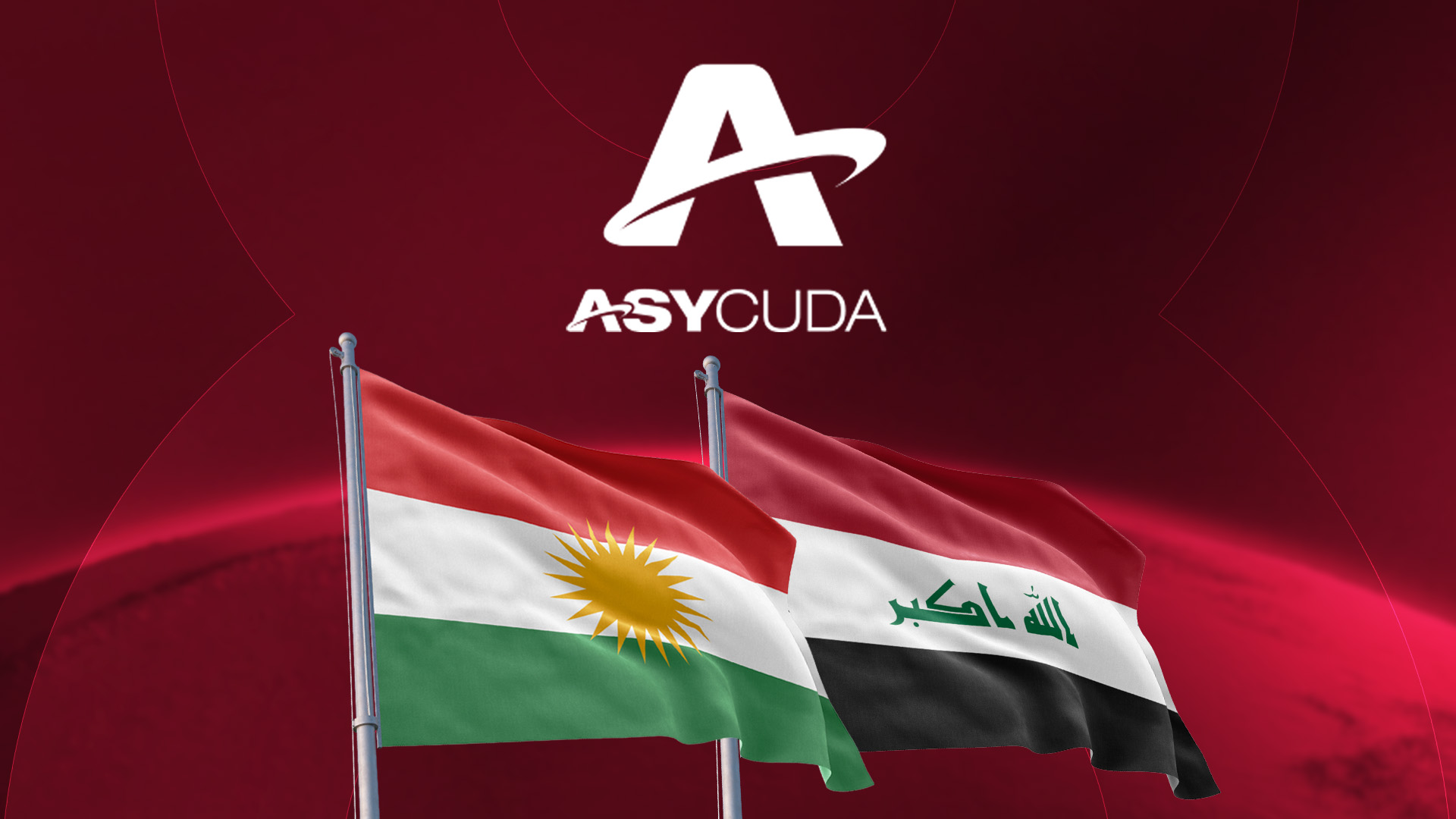
Channel8 has obtained details of a draft agreement between the Kurdistan Region and the federal government of Iraq on the implementation of the ASYCUDA customs system, a framework aimed at unifying customs procedures and revenue collection across border crossings.
The draft was reportedly overseen by the Director-General of the Iraqi Customs Authority and the Advisor to the Kurdistan Region’s Minister of Interior.
Deployment of ASYCUDA System in the Kurdistan Region
According to the draft, federal customs laws must be applied at all border crossings in the Kurdistan Region. It also calls for the deployment of an ASYCUDA technical team within the region to ensure the system is implemented in line with federal procedures.
Unification of Customs Tariffs
The document stipulates that no goods entering the Kurdistan Region would be exempt from the system. It further calls for a unified customs tariff between the Kurdistan Region and the rest of Iraq, as well as a single, standardized customs fee collection mechanism.
Revenue Collection Under Federal Law
Another provision states that customs revenues and tax collection at border crossings must be conducted in accordance with the Federal Customs and Tax Law, the Federal Budget Law, and other applicable legislation.
Regulation of Unofficial Border Crossings
The draft also addresses the status of unofficial border crossings in the Kurdistan Region. It proposes the formation of joint technical committees composed of representatives from the Border Crossings Commission, the Ministry of Interior, the National Intelligence Service, and the National Security Service, alongside counterparts from the Kurdistan Region, to regulate and manage these crossings.
Outstanding Issues and Further Negotiations
Channel8 reported that several issues remain under discussion before a final agreement can be reached. These include logistical arrangements, customs exemptions, access to US dollar exchange rates at the Central Bank official rate for traders in the Kurdistan Region, and other technical matters.
Teams from both sides, including customs and tax authorities, interior ministry advisers, company registration departments, and agriculture ministry representatives, are currently working to resolve outstanding observations.
Approval and Signing Process
According to the draft framework, the final agreement will be submitted for approval by the Iraqi Council of Ministers for Economy. A high-level delegation from the Kurdistan Region is then expected to travel to Baghdad to sign the agreement, after which it will be referred to the Iraqi Prime Minister for final endorsement.
Real-Time Revenue Monitoring
Implementation of the ASYCUDA system would enable the federal government, through centralized servers, to monitor cargo movement and customs revenue in real time. This would provide Baghdad with detailed data on imports and revenue collection for integration into the national budget system.
Challenges in Implementation
Channel8 noted that challenges surrounding the ASYCUDA system in Iraq are linked not to the system itself, but to its integration with existing legal and regulatory frameworks.
One key issue is the customs tariff structure, including recent decisions such as Decision 957, which introduced new tariff rates. The system’s strict enforcement mechanisms reduce opportunities for underreporting or informal exemptions, increasing the financial burden on traders who previously benefited from irregular practices or undervaluation.
Another challenge relates to price and tariff unification across border crossings. Previously, differences in rates existed between crossings such as Ibrahim Khalil and Shalamcheh. Under ASYCUDA, these discrepancies would be eliminated, potentially reshaping local trade dynamics.
Toward Unified Border Management
The unification of border crossings remains a key federal objective, with Baghdad seeking to bring major crossings including Ibrahim Khalil, Bashmakh, and Parvizkhan under a single ASYCUDA-based system.
If fully implemented, the system would standardize customs procedures and eliminate variations in tariff rates between crossings, ending the previous competition among traders to use crossings offering lower fees or procedural flexibility.
3 hours ago