Iraq Enters FATF Grey List as Global Watchdog Demands Stronger Controls
The Financial Action Task Force (FATF), the global body responsible for combating money laundering and terrorist financing, announced on Friday that it has removed Algeria and Namibia from its "grey list" of countries under increased monitoring, while adding Iraq and Bosnia and Herzegovina to the list following the conclusion of its plenary meeting in Paris.
The FATF stated that Algeria and Namibia had successfully addressed the strategic deficiencies identified in their anti-money laundering and counter-terrorist financing frameworks, allowing them to exit the monitoring process.
In contrast, Iraq and Bosnia and Herzegovina were placed under increased monitoring after the organization identified shortcomings in their financial oversight and enforcement systems. The FATF said both countries had made strong political commitments to implement the necessary reforms aimed at strengthening their efforts to combat illicit financial activities.
Iraq Urged to Strengthen Financial Oversight
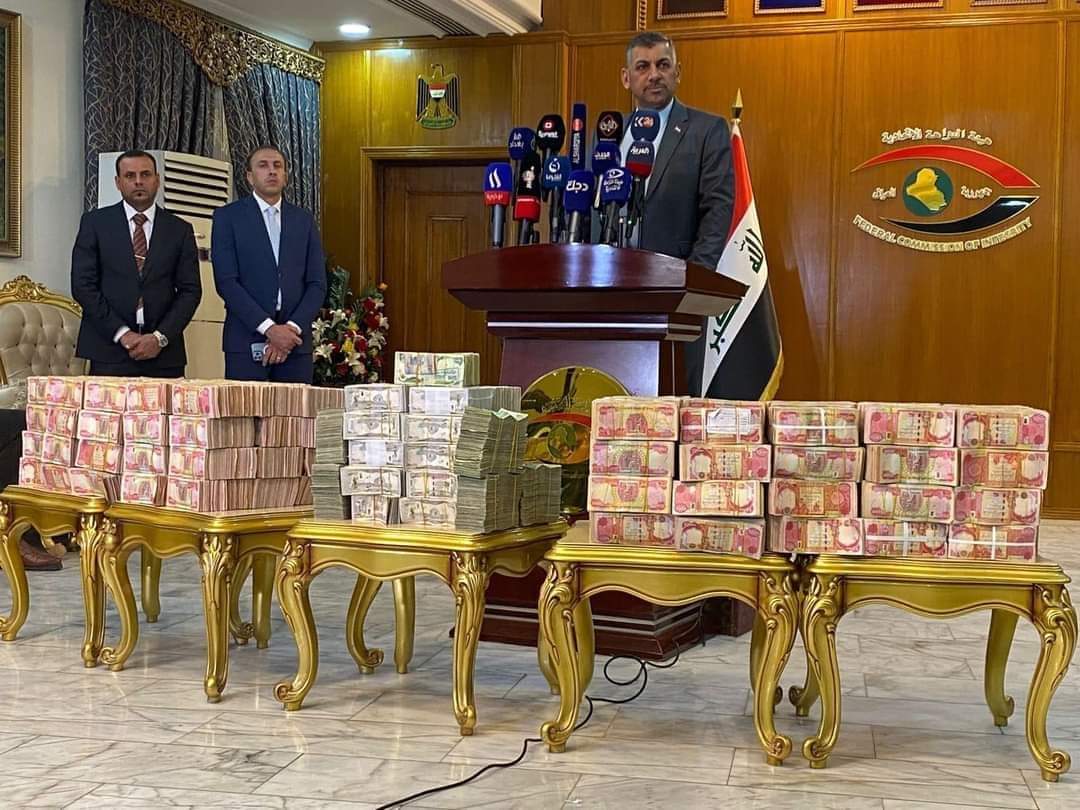
Regarding Iraq, the FATF highlighted several areas requiring improvement. The organization called on Baghdad to address risks associated with the widespread use of cash transactions, increase investigations and prosecutions related to money laundering and terrorist financing, and enhance the use of financial intelligence in identifying and disrupting illicit financial activities.
The FATF noted that Iraqi authorities had expressed a firm commitment to implementing the required reforms and working closely with the organization to address the identified deficiencies.
Three Countries Remain on the Blacklist
The FATF also confirmed that three countries remain on its list of high-risk jurisdictions subject to a call for action, commonly known as the "blacklist." Those countries are Iran, North Korea, and Myanmar.
Jurisdictions placed on the blacklist face the highest level of scrutiny due to significant deficiencies in their anti-money laundering and counter-terrorism financing systems.
Understanding the Grey List
The FATF grey list includes countries that have strategic deficiencies in their frameworks for combating money laundering, terrorist financing, and the proliferation of weapons financing. Countries on the list are placed under increased monitoring and are expected to implement agreed-upon action plans within specified timelines.
Inclusion on the grey list does not constitute an international sanction or financial boycott. Instead, it serves as a monitoring mechanism designed to help countries strengthen their financial systems and align with international standards, while reducing the risks associated with illicit financial activities.
The FATF's decisions are closely watched by international investors, financial institutions, and credit agencies, as a country's placement on the grey list can affect investor confidence and increase scrutiny of its financial transactions.
3 hours ago