Dollar Gap Persists Despite Official Rate as Iraq Awaits Customs Reforms and Washington Talks
Despite the Central Bank of Iraq maintaining the official exchange rate of the Iraqi dinar, a significant gap between the official and market rates of the U.S. dollar continues to raise concerns among traders, businesses, and citizens, while attention increasingly turns to the implementation of the ASYCUDA customs system and upcoming economic discussions in Washington.
Persistent Gap Between Official and Market Rates
During the first half of the year, the Iraqi dinar experienced continued volatility against the U.S. dollar, with the market exchange rate fluctuating between 150,000 and 155,000 dinars per $100. In contrast, the Central Bank of Iraq has maintained the official exchange rate at 132,000 dinars per $100.
The discrepancy of approximately 23,000 dinars between the official and parallel market rates has fueled uncertainty among importers and consumers. Market participants are closely watching whether the implementation of new customs and trade procedures will help reduce the dollar's market value below 150,000 dinars or whether continued pressures could push the exchange rate toward 160,000 dinars per $100.
Government Position and Washington Discussions
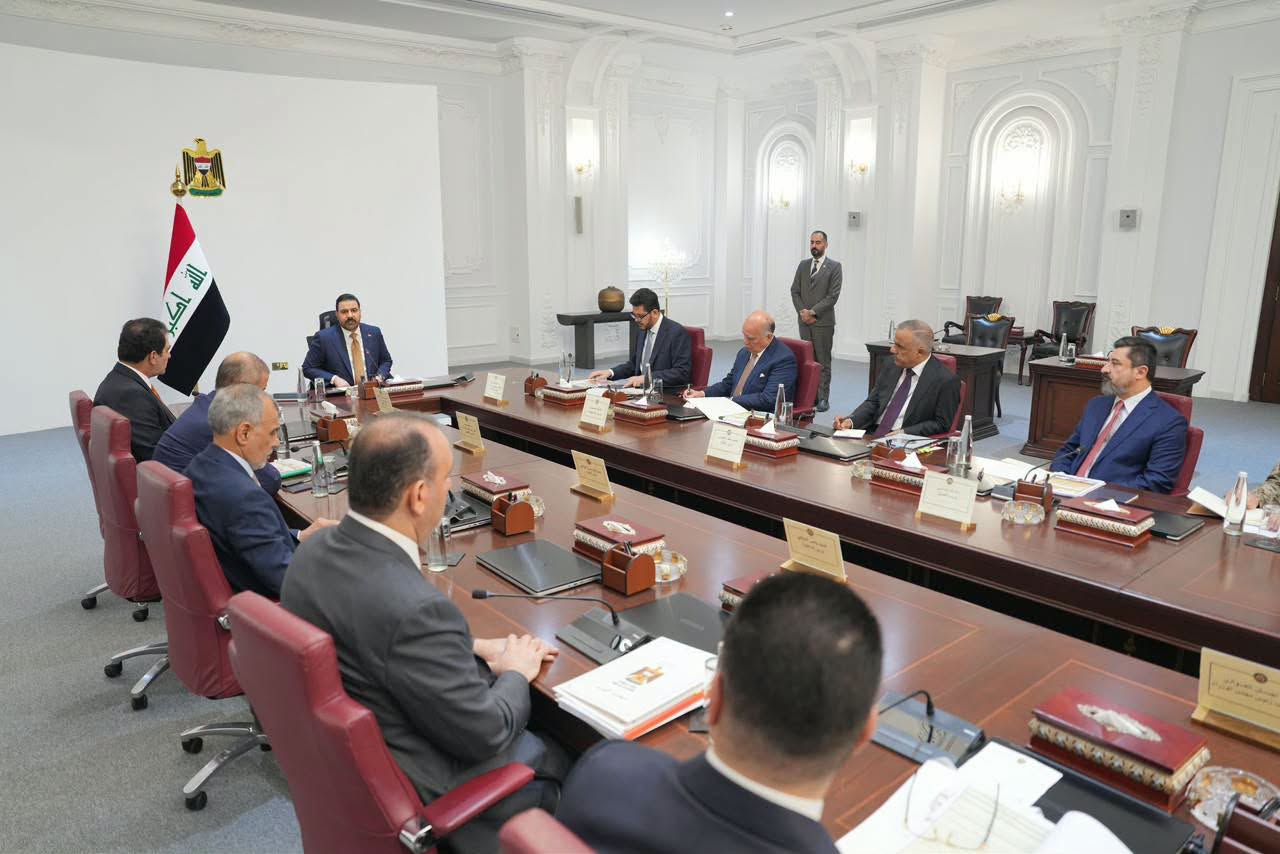
The Iraqi government has not issued any official statement regarding a possible adjustment to the dinar's exchange rate. Economic issues are expected to feature prominently during upcoming discussions in Washington, where Iraqi officials are anticipated to address financial challenges, budgetary pressures, and measures to strengthen the country's monetary stability.
Government advisers have stated that no formal discussions are currently underway regarding a devaluation of the dinar, despite previous recommendations from some international financial institutions that exchange-rate adjustments could help address fiscal imbalances.
Budget Deficit Pressures
Iraq is facing mounting fiscal pressures amid regional instability and disruptions to global energy markets. According to official estimates, the country recorded a budget shortfall exceeding 6.6 trillion dinars during the first four months of the year.
While adjusting the exchange rate is viewed by some economists as a potential means of reducing the budget deficit and securing government salary payments, such a move carries considerable risks, including higher inflation, increased consumer prices, and greater pressure on household incomes.
Inflation and Demand for Dollars
Inflationary pressures have also intensified. Iraq's annual inflation rate stood at 2.2 percent in April before rising to 4.3 percent in May, reflecting increasing costs in several sectors.
Demand for U.S. dollars remains elevated, with approximately 85 percent of market demand linked to commercial imports and trade activities. The remaining demand comes from individuals seeking dollars for personal needs, including mortgage and vehicle payments, travel expenses, and savings.
ASYCUDA System Seen as Potential Solution
Business leaders believe the implementation of the ASYCUDA customs system could help ease pressure on the foreign exchange market by facilitating access to official dollars for importers.
Aram Baban, a member of the Chamber of Commerce, said the participation of Kurdistan Region traders in the Central Bank's electronic platform remains slow, forcing many businesses to purchase dollars through the parallel market at rates reaching 155,000 dinars per $100.
Meanwhile, Nawzad Sheikh Kamil, Director General of Trade in the Kurdistan Region, said regional authorities have submitted a memorandum to Baghdad seeking the implementation of the ASYCUDA system.
Under the proposed arrangement, traders in the Kurdistan Region would no longer need to travel to Baghdad to complete currency transactions. Instead, after submitting invoices and required documentation, they would be able to obtain dollars at the official exchange rate within the region, a measure officials believe could help reduce demand in the parallel market and contribute to lowering the market price of the dollar.
Economists and market participants are now closely watching both the implementation of the new customs system and the outcome of upcoming economic discussions with U.S. officials, which could play a significant role in shaping Iraq's exchange-rate outlook in the months ahead.