Oil Exports Before and After the War: How the Conflict Reshaped the Kurdistan Region’s Oil Sector and Gulf Exports
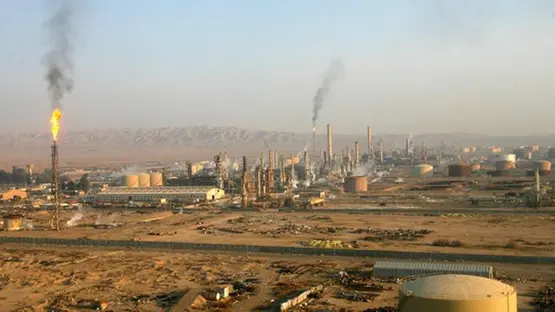
Military tensions in the region have dealt a major blow to the energy sector, causing sharp declines in oil production and exports across Iraq and the Arabian Gulf.
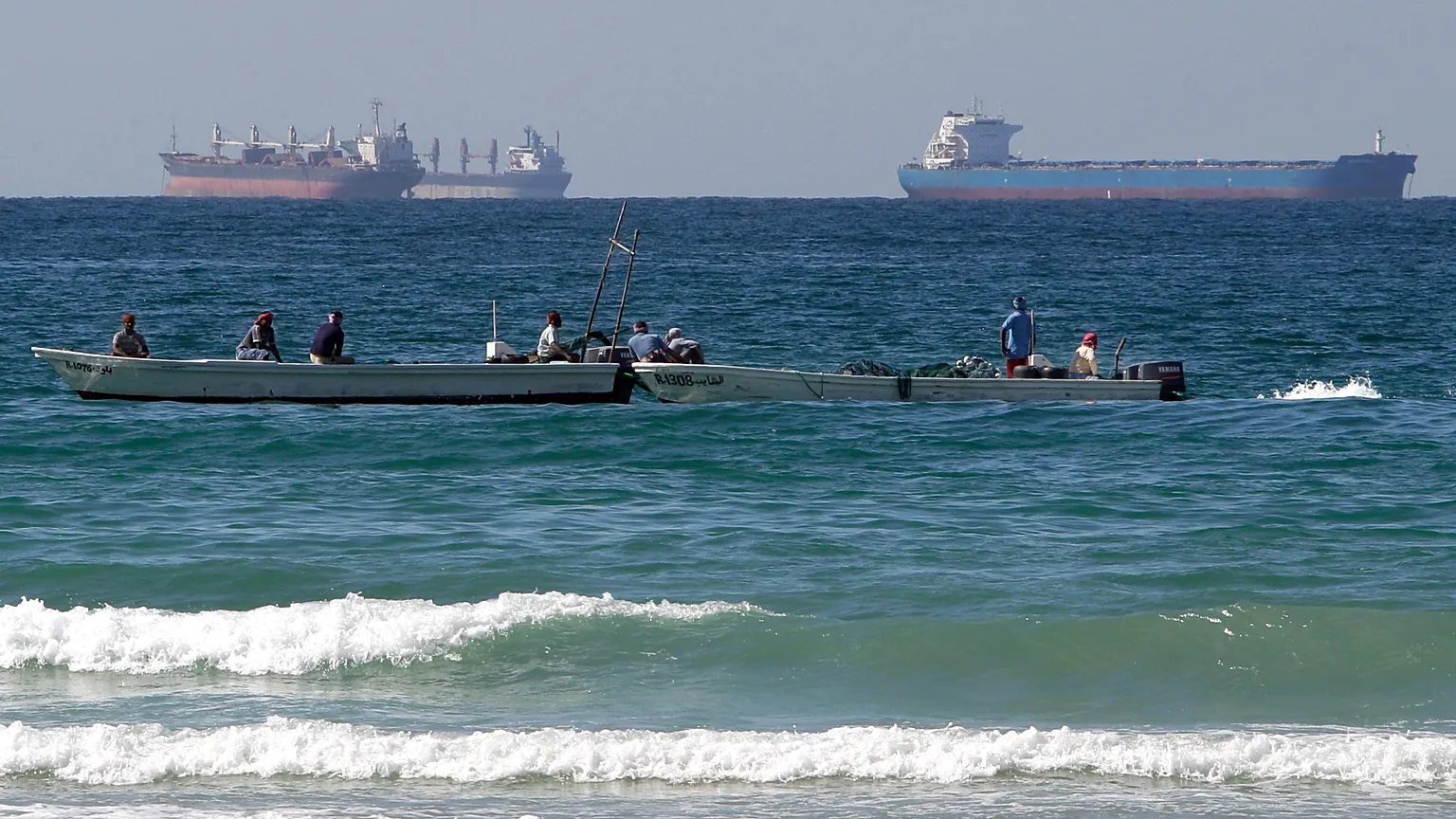
The closure of the Strait of Hormuz reduced exports from several countries to zero, while international oil companies suspended operations in the Kurdistan Region.
Production and Export Levels Before the War
Before the outbreak of the war, oil production in Iraq and the Kurdistan Region stood at 4.5 million barrels per day (bpd), including 314,000 bpd produced in the Kurdistan Region.
Iraq’s daily oil exports averaged 3.567 million barrels, of which 198,000 bpd came from the Kurdistan Region, according to February 2026 statistics.
Current State of Oil Production
Currently, oil production in Iraq and the Kurdistan Region has dropped to 1.332 million bpd.
Of that total, only 80,000 bpd is being produced from fields in the Kurdistan Region.
This reflects an overall production decline of 3.2 million barrels per day, including a loss of 250,000 barrels directly linked to fields in the Kurdistan Region.
Reasons Behind the Decline in Kurdistan Region Production
The more than 70% decline in the Kurdistan Region’s oil production is attributed to the suspension of operations by international oil companies, which halted production and evacuated personnel at the start of the war.
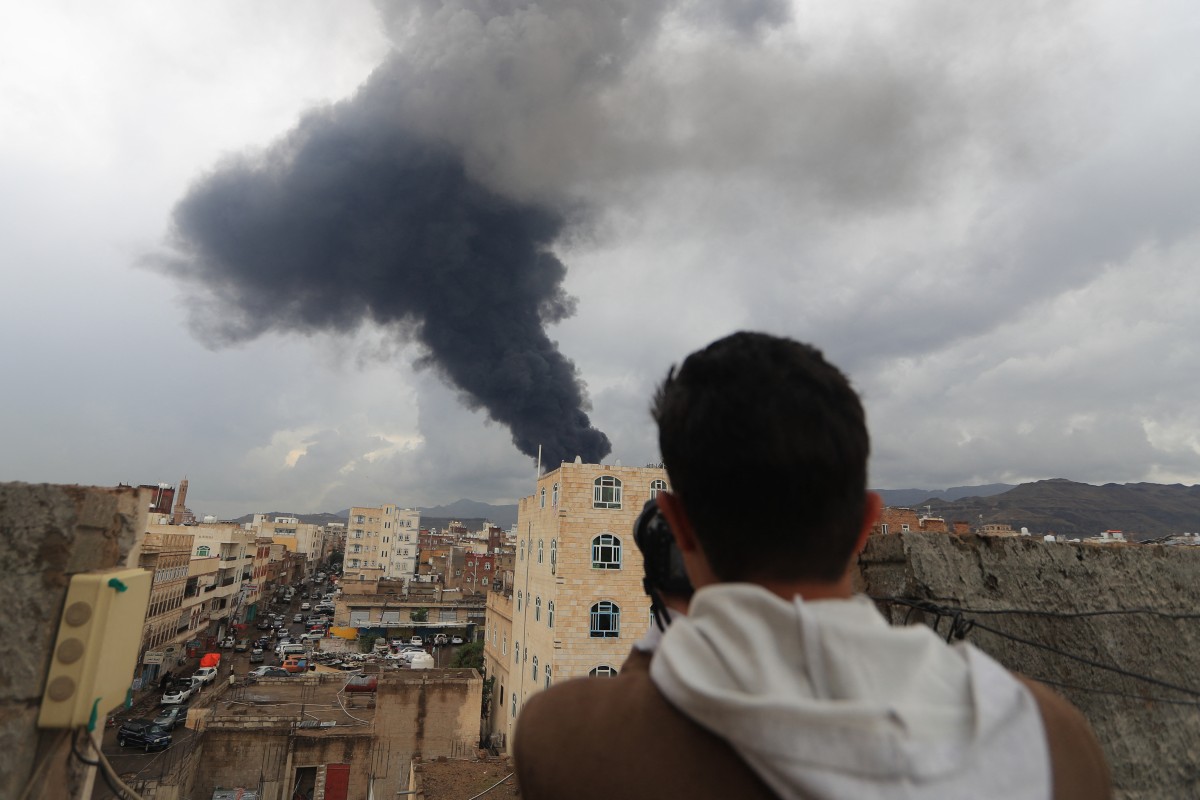
In addition, the Sarsang oil field was targeted twice by drone attacks, causing extensive damage to oil storage facilities.
The Region’s Position in the Global Oil Market
Before the conflict involving the United States, Israel, and Iran, Iraq and the Arabian Gulf countries accounted for more than 21% of global oil production and 26% of global petroleum product exports.
Production and Export Capacity Across the Gulf
Oil production in the Arabian Gulf countries reaches nearly 23 million bpd, while crude exports total approximately 16 million bpd.
These figures highlight the region’s central role in global energy markets.
Saudi Arabia: The Largest Oil Exporter
Saudi Arabia remains the world’s largest oil exporter in terms of production and export capacity.
Its daily production ranges between 9.5 and 10 million bpd, while exports remain stable between 6 and 7 million bpd.
Iraq’s Dependence on the Strait of Hormuz
Iraq remains one of OPEC’s major oil producers and possesses vast reserves, with production capacity reaching approximately 4.5 million bpd.
However, its export system relies heavily on maritime routes.
Oil Production in the UAE
The United Arab Emirates generally maintains oil production between 3 and 3.5 million bpd.
Its daily crude exports exceed 3 million barrels.
Kuwait and Other Gulf Producers
Kuwait’s oil production ranges between 2.5 and 3 million bpd.
Meanwhile, Qatar, Bahrain, and Oman collectively export around 3 million barrels of oil per day to international markets.
Impact of the Strait of Hormuz Closure
The closure of the Strait of Hormuz, alongside the war involving the United States and Israel against Iran, severely restricted crude oil exports from Iraq and the Arabian Gulf countries.
Iraq currently exports only limited oil volumes overland through Turkey and Syria.
Saudi Arabia continues exporting through the Red Sea, although at roughly half of its previous volumes.
The Sultanate of Oman bypasses the Strait of Hormuz entirely and has maintained its export operations.
By contrast, oil exports from Kuwait, Qatar, Bahrain, and the UAE have dropped to zero as they await the reopening of the Strait of Hormuz.