Erbil-Baghdad Customs Reform Advances Amid Unresolved Border Issues
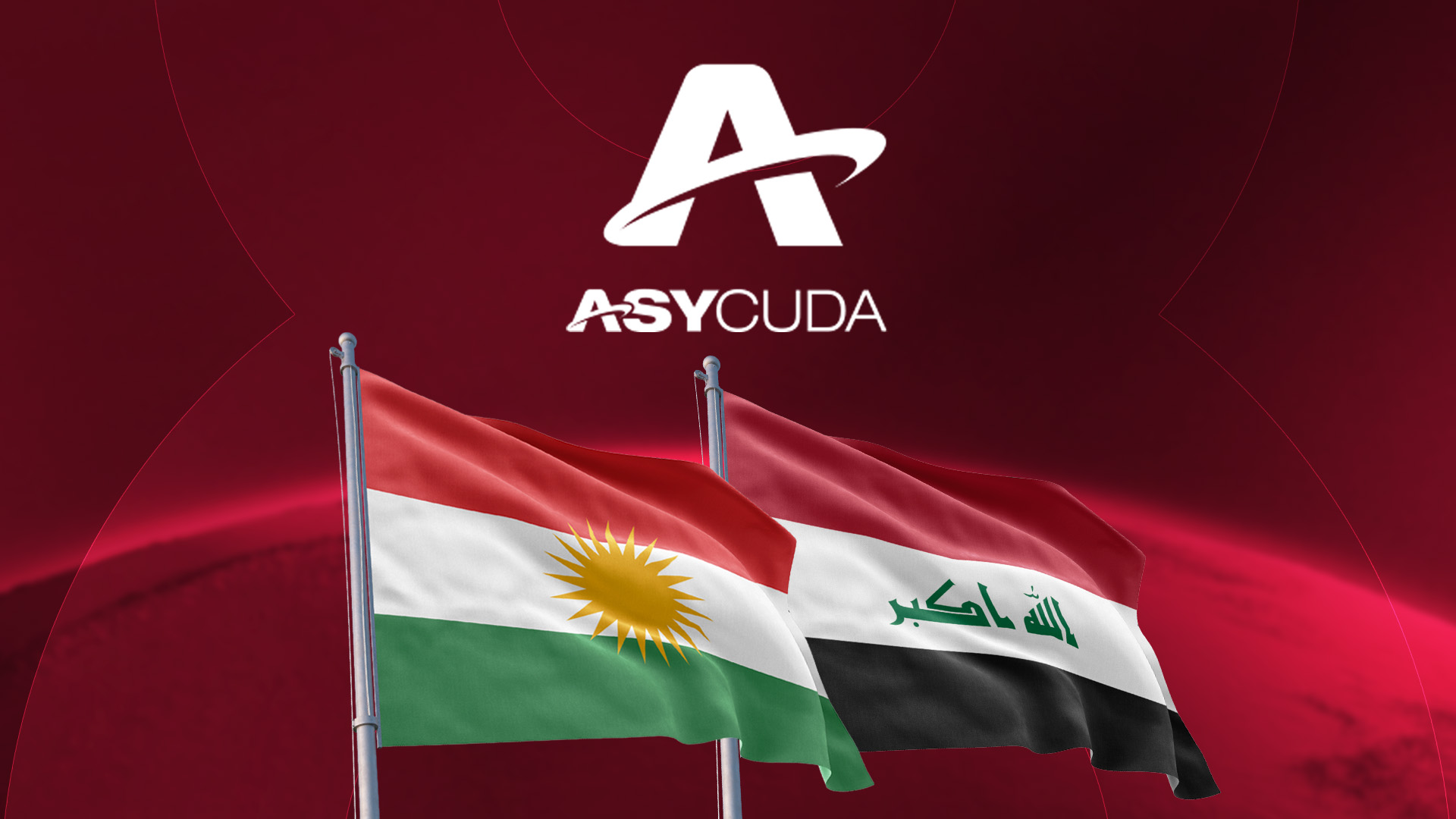
Despite ongoing negotiations between Erbil and Baghdad to unify customs procedures under the ASYCUDA system, key disagreements over border management, revenue collection, and internal checkpoints remain unresolved, with current arrangements continuing as both sides await final legal approvals and implementation orders.
Federal Decisions Not Applied at Kurdistan Border Crossings
A source within the Kurdistan Region Customs Directorate told Channel8 that the Iraqi federal government’s recent decisions to reorganize border crossings do not apply to the Kurdistan Region. The source confirmed that no changes will be made to the management of KRG border crossings, and they will continue operating under the current system.
Regarding internal customs checkpoints between the Kurdistan Region and the rest of Iraq, reports indicate they will remain in place until a final agreement is reached on the ASYCUDA electronic customs system. Until full implementation, these checkpoints will continue collecting tariff differences and taxes.
Alaaddin al-Qaisi, spokesperson for the Iraqi Border Crossings Market Directorate, explained that under the current arrangement, goods cleared in the Kurdistan Region will be subject to a “customs complementary fee” upon entering central and southern Iraq, meaning tariff differences will be collected from merchants.
A senior KRG Council of Ministers official noted that two main obstacles are preventing full unification of customs operations, differences between Kurdistan Region laws and federal laws, and disputes over revenue-sharing mechanisms. As a result, internal customs checkpoints will remain active for now.
No Official Orders Implemented at Bashmakh Crossing Yet
Mariwan Karim, Director of Media at the Bashmakh International Border Crossing, stated that Baghdad’s new customs decisions have not yet been implemented in the Kurdistan Region. He confirmed that no verbal or written directives have been received from the federal government regarding the planned changes.
This situation follows recent technical talks between a KRG delegation and federal officials in Baghdad on June 18 aimed at drafting a framework agreement. The process requires approval from Iraq’s Ministerial Council for Economy, followed by a signature from a high-level KRG delegation and the Iraqi Prime Minister before any instructions are sent to border crossings.
The ASYCUDA automated customs system remains central to the negotiations. It has already been implemented at other Iraqi border crossings and is intended to unify customs tariffs across all entry points, including Ibrahim Khalil, Bashmakh, and Parwizkhan, to eliminate price differences that influence trade routes.
Joint KRG-Iraq Committee to Inspect Unofficial Border Crossings
Following agreement on advancing ASYCUDA implementation, Erbil and Baghdad have formed a high-level joint committee to conduct field visits to border crossings currently classified as “unofficial.”
The committee includes representatives from both sides. from the Kurdistan Region, officials from the Ministry of Interior, the Kurdistan Region Security Council, the Asayish (Security) Agency, and the General Directorate of Customs; and from the federal government, officials from the Border Crossings Directorate, the Ministry of Interior, the Iraqi National Security Service (INSS), the Iraqi National Intelligence Service (INIS), and the Federal General Customs Authority.
The committee will inspect crossings, assess infrastructure, and prepare a report to determine which sites meet the criteria for official recognition as commercial and tourism ports. Its final recommendations will be submitted to Iraq’s Ministerial Council for Economy for a final decision.
At present, six crossings remain unofficial. Kele (Qaladze), Sayranban (Penjwen), Shoshme (Tawela), Pishta (Bamo), Serzer (Amedi), and Semelka (Feshkhabour). The committee’s findings will determine their future legal and operational status.
3 hours ago