Ceasefire Talks in Switzerland Strained as Iran Shuts Strait of Hormuz
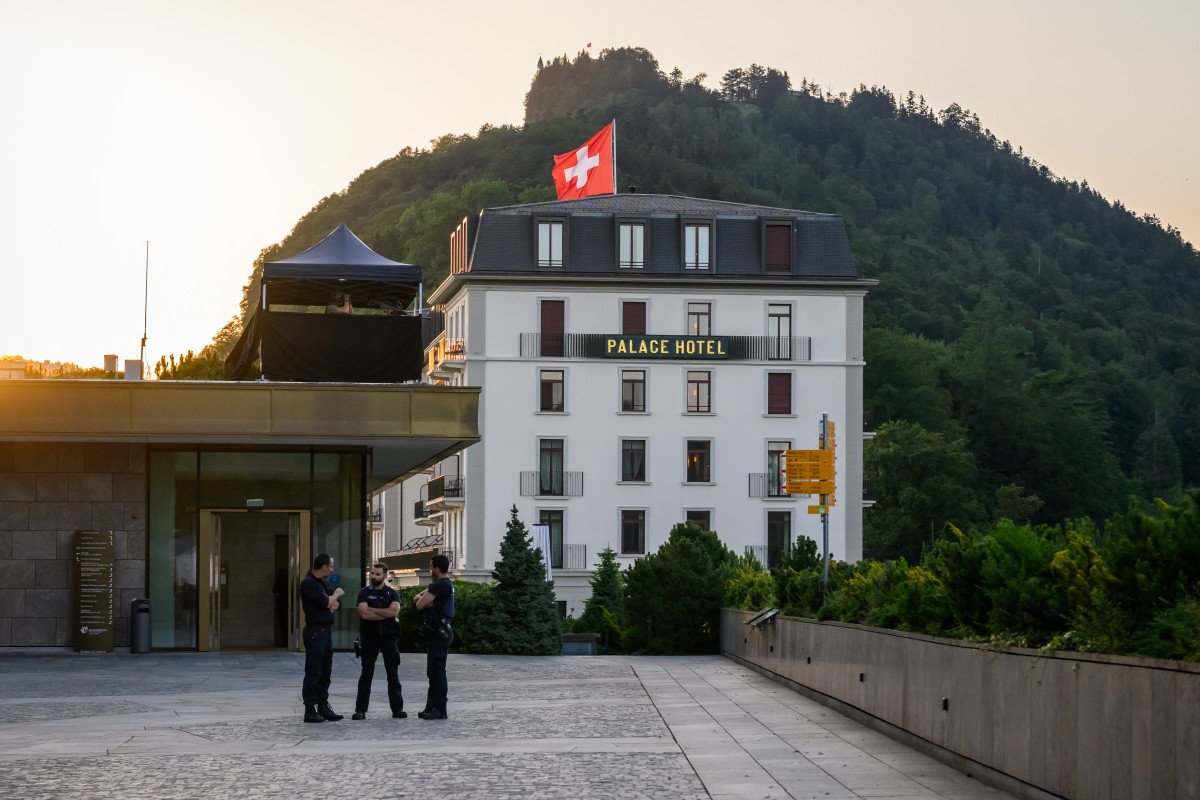
A fresh round of negotiations aimed at easing the Middle East war began Sunday in Switzerland, with Iranian envoys and U.S. Vice President JD Vance arriving amid renewed tensions. Tehran announced it was once again closing the Strait of Hormuz, citing Israeli strikes in Lebanon as a breach of commitments.
Before departing for Europe, Vance said he hoped to “make progress on the nuclear issue” and on efforts to secure a Lebanon ceasefire. Talks scheduled for Friday were delayed after Israeli forces launched deadly raids in Lebanon following the deaths of four soldiers. Washington quickly announced a renewed truce, but clashes between Israeli troops and Hezbollah fighters resumed Saturday, each side accusing the other of violating the ceasefire.
Iran’s military command declared the closure of Hormuz, a vital artery for global oil and gas shipments, accusing the U.S. of breaking its agreement and Israel of “continuous violations.” The strait had been reopened under a preliminary accord signed by U.S. President Donald Trump and Iranian President Masoud Pezeshkian, but Tehran’s move threatens to destabilize energy markets once again. U.S. Central Command insisted safe passage remained intact, while Trump warned Washington could impose its own tolls on Hormuz if talks fail.
An Iranian delegation led by parliamentary speaker Mohammad Bagher Ghalibaf and Foreign Minister Abbas Araghchi arrived in Switzerland late Saturday, vowing to demand full implementation of commitments. Vance landed Sunday morning, noting he could only stay briefly, while U.S. negotiators Jared Kushner and Steve Witkoff were already working on technical details. Pakistan’s prime minister and army chief also joined the talks, alongside mediators from Qatar, to open a two‑month negotiation period focused on unresolved issues, particularly Iran’s nuclear program.
Meanwhile, fighting in southern Lebanon continued to fray the truce. Israel reported another soldier killed, while Hezbollah accused Israeli forces of infiltration attempts under the cover of the ceasefire. Lebanese authorities said Israeli air raids struck 20 locations, leaving more than 30 dead, with the overall toll surpassing 4,000. Both sides traded blame, with Israel insisting it was defending against Hezbollah attacks, and Hezbollah declaring Israel bore “full responsibility.” Civilians in southern Lebanon described living in constant fear, ready to flee at a moment’s notice.
The fragile ceasefire underscores the difficulty of advancing negotiations in Switzerland, as regional violence and strategic moves like the closure of Hormuz threaten to derail progress.
21/06/2026