Channel8’s Newsroom Head Says Arrest Warrants Issued Without Prior Notice, Calls for Legal Clarification
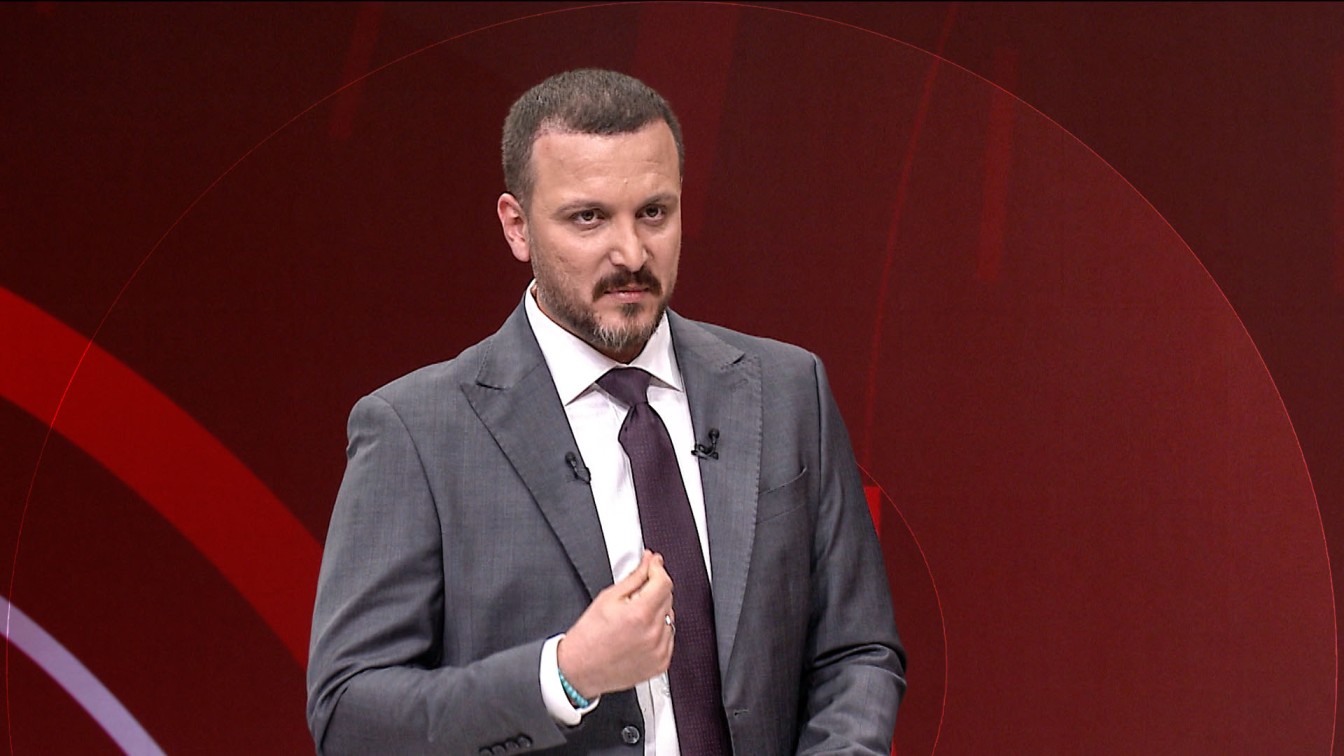
Bahez Sheikh Kamil, Head of the Newsroom of Channel8 Media Corporation, stated that the Ministry of Interior's arrest warrants for the board chairman of the channel and one of its journalists were issued without prior notice or a request for clarification, stressing that the channel welcomes evidence reviews but rejects direct arrests meant to “suppress” the truth.
The Kurdistan Regional Government’s Ministry of Interior issued an arrest warrant for Ahmed Najm, Chairman of the Board of Directors of Channel8, and presenter Bzhar Dabax on Sunday, citing Article 2 of the Law on Misuse of Telecommunication Devices.
The ministry instructed all general directorates of the security forces and relevant authorities across the Kurdistan Region to enforce the order.
Kamil: Warrants Contradict KRG Free-Press Claims
Regarding the warrant, Kamil told Channel8 that while the Kurdistan Regional Government’s theoretical agenda and vision for media freedom are “all beautiful words,” a network like Channel8—which operates under the slogan "You deserve the truth"—faces arrest warrants instead.
"Unfortunately, we are living in a region where arrest warrants are still being issued for journalists,” he emphasized.
Ministry’s Arrest Warrants as Unnotified and Arbitrary
Kamil criticized the ministry's order, noting that the warrants were issued without prior notice and adding that similar arbitrary directives have targeted other media professionals and journalists in the past.
The newsroom head highlighted that if the ministry has a complaint concerning a media subject, it should request a clarification or dispatch an official media or legal committee.
“We would welcome them with open arms and provide every necessary clarification,” he affirmed, adding that an immediate arrest warrant like this “makes no sense” and its sole purpose is “to suppress” the truth.
Kamil underscored that if an inaccuracy or untrue report occurs within the scope of media work, the standard procedure should be to request a clarification rather than directly issuing arrest and detention warrants.
Newsroom Chief Questions Ministry's Media Policies
He said this enforcement comes at a time when dozens of other media outlets frequently publish “fabricated news,” yet the ministry remains silent regarding their conduct.
“If the government is truly concerned about the media and wants to prevent it from going astray, it should examine those closest to itself—that is how you keep the media on track,” he remarked.
Kamil further issued a challenge to any complaining party, asserting that if the network fails to prove its reporting with documentation, clarify reality, and demonstrate the absolute accuracy of its investigative work, “we are fully prepared to accept arrest warrants, lawsuits, or any other legal measures.”
Media Watchdog Condemns Arrest Warrants
Meanwhile, the Reporters Organization for Rights and Development (RORD) condemned the arrest warrants, warning that “applying the Law on Misuse of Telecommunication Devices against journalists constitutes a direct threat to freedom of expression and press freedom.”
The media watchdog reiterated that any legal actions involving media personnel must strictly adhere to Journalism Law No. 35 of 2007, which establishes the specific framework designed to protect journalistic work and defend media rights.
2 hours ago