Iraq Faces Deep Liquidity Crisis as CBI Dinar Reserves Plunge and Domestic Hoarding Soars
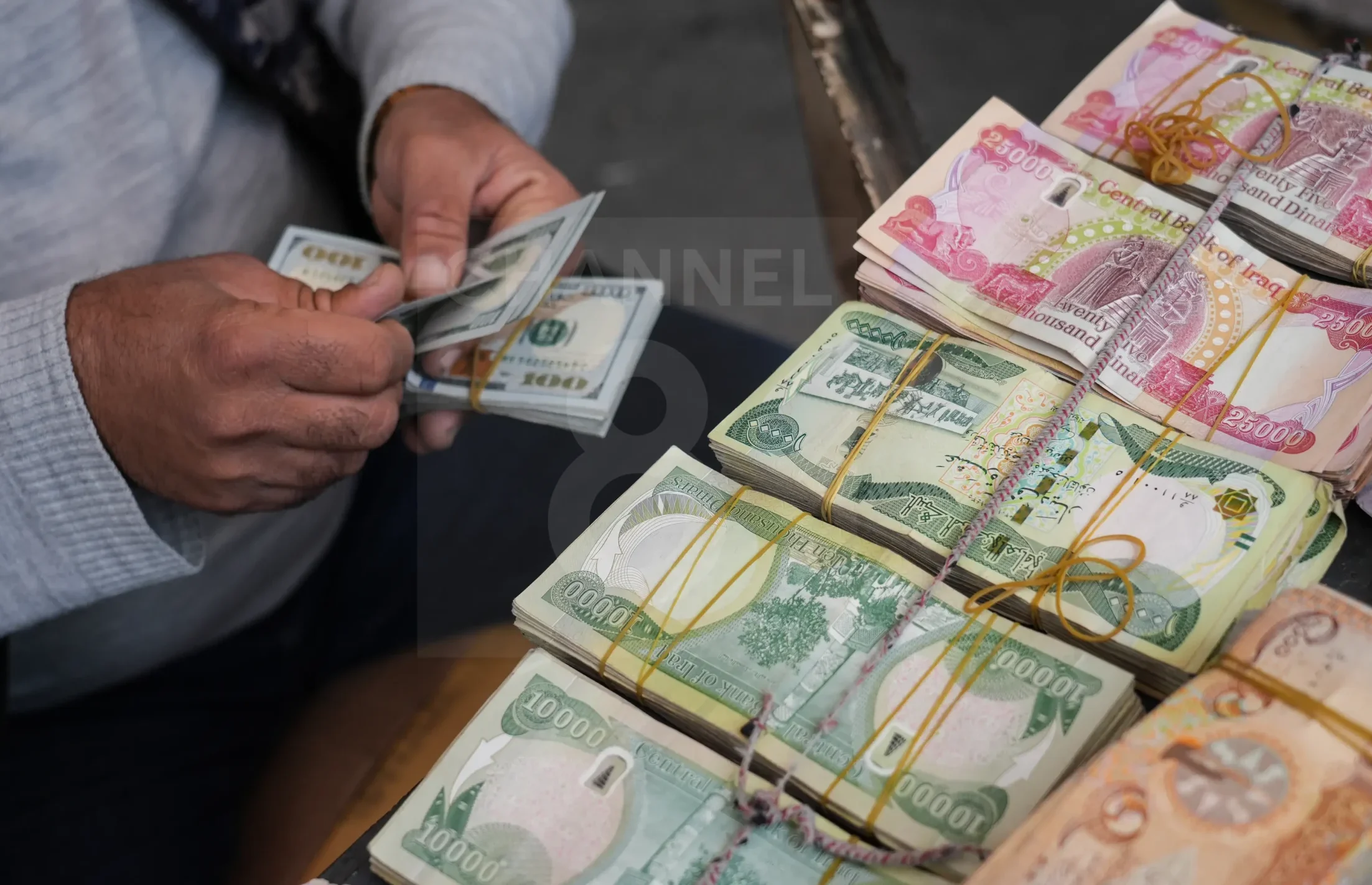
Iraq is facing a severe domestic liquidity crisis as dinar reserves at the Central Bank of Iraq (CBI) contract on a monthly basis, directly threatening public sector salary funding and essential state expenditures.
Recent financial data from the central bank exposes a sharp and accelerating drop in national currency reserves, which plummeted by 1.728 trillion dinars in just seven days to reach 118.947 trillion dinars on May 28.
This rapid one-week decline of 1.43 percent is part of a much larger downward trend from March, when reserves stood at 130.443 trillion dinars, signaling that Baghdad has officially begun tapping into its strategic holdings to plug widening fiscal deficits.
Cost of Deepening Public Distrust
The core bottleneck of this crisis stems from systemic local cash hoarding alongside immense public payroll pressures.
The central bank estimates that over 70 trillion dinars are currently circulating entirely outside the formal banking system and are being hoarded in private homes due to weak public confidence in commercial banks and a lack of competitive interest rates to incentivize savings.
Cash Mismatch in State Revenues
This massive drain on liquidity severely complicates state operations because while the Iraqi government receives its oil revenues electronically or in U.S. dollars, the massive domestic public payroll requires a constant supply of physical cash dinars every month.
Gold Shield Buffers Currency Volatility
To buffer against total currency instability, Iraq relies heavily on its precious metal holdings, with secured official gold reserves valued at approximately 32.973 trillion dinars serving as a crucial anchor for the nation's foreign currency reserves.
External Shocks Compound Liquidity Squeeze
However, this financial safety net remains under severe pressure from a combination of external shocks and domestic management issues.
The underlying liquidity squeeze continues to be heavily exacerbated by the prolonged halt of Kurdistan Region oil exports via Turkey, complications surrounding the repatriation of international oil revenues, global price volatility, and technical challenges in managing cash flow inside the country.
22/06/2026