World Rainforest Day: Protecting Forests Is Essential to Combating Climate Change
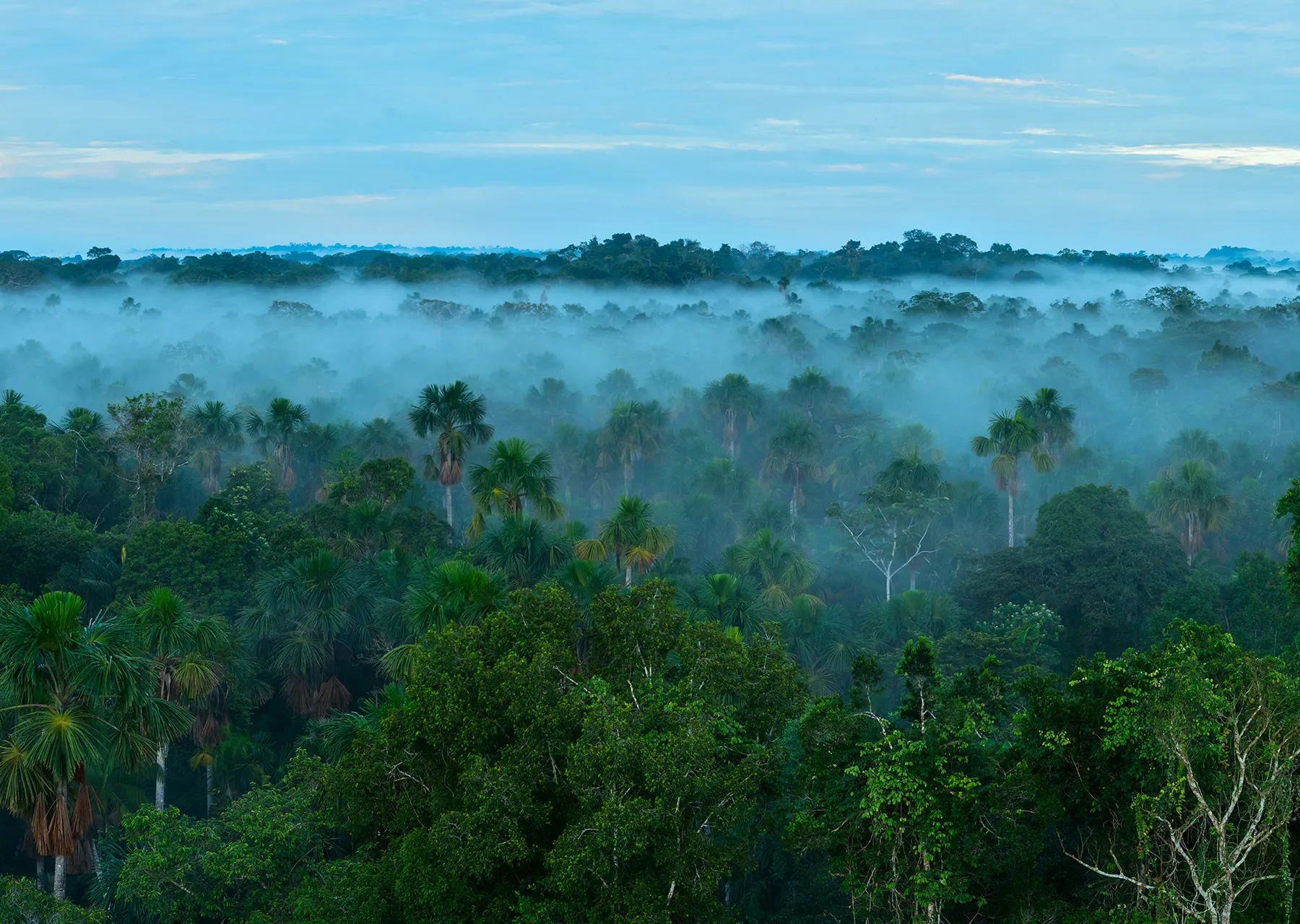
As the world marks World Rainforest Day on June 22, scientists warn that achieving net-zero carbon emissions and slowing global warming will be impossible without protecting rainforest ecosystems.
Rainforests and Their Role in Climate Balance
The world’s largest rainforests are located around the Amazon River in South America, the Congo River in Africa, and across Southeast Asia.
These forests serve as major carbon sinks, absorbing vast amounts of carbon dioxide from the atmosphere each year and helping maintain global climate balance.
Deforestation and the Growing Climate Threat
Rainforests are currently under increasing pressure from indiscriminate deforestation and the expansion of agricultural land.
According to available data, degradation has caused parts of these forests to shift from absorbing carbon to releasing it into the atmosphere, accelerating the effects of climate change faster than previously expected.
Rainforests as a Source of Modern Medicine
Approximately 25% of modern medicines are developed from compounds derived from rainforest plants.
Despite this, scientists have examined less than 1% of rainforest plant species for medicinal use, leaving millions of potential discoveries yet to be explored.
The World’s Center of Biodiversity
Rainforests cover only 6% to 7% of the Earth’s land surface, yet they contain more than 50% of all plant and animal species worldwide.
Tree density is so high that only 1% to 2% of sunlight reaches the forest floor, and during rainfall, it can take around 10 minutes for water to travel from the canopy to the ground.
Rainforest Loss Reaches Alarming Levels
Rainforests are disappearing at a record pace.
Every second, an area equivalent to a football field is lost due to logging and burning.
Experts stress that protecting rainforests is no longer solely an environmental concern but a necessary condition for human survival.
22/06/2026