Iraq Launches Measures to Protect the Tigris River and Combat Drought Through Water Hyacinth Eradication
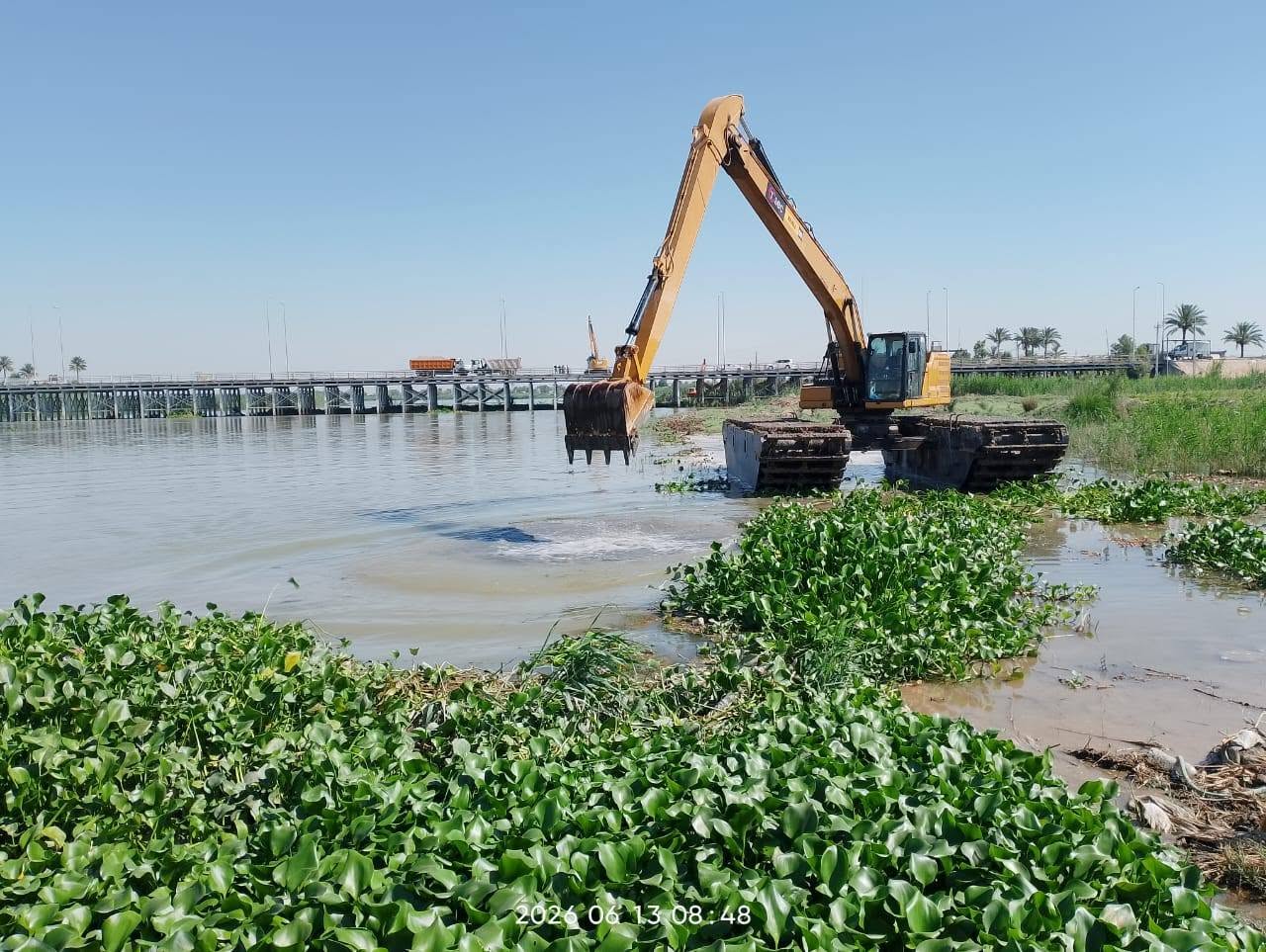
The Iraqi Council of Ministers has issued a series of new decisions aimed at protecting the waters of the Tigris River, most notably the eradication of the invasive plant known as water hyacinth (Nile flower) in lakes.
At the same time, the government has tasked the Ministry of Migration and Displaced with addressing the impacts of drought and supporting areas affected by internal displacement caused by water scarcity.
Council of Ministers Decisions to Address Drought
To protect the waters of the Tigris River, the Iraqi Council of Ministers approved several measures, including eliminating water hyacinth in lakes and addressing the consequences of drought in areas affected by displacement linked to aridity.
Measures to Prevent Pollution and Protect Water Resources
During its latest session, the Council of Ministers issued directives emphasizing the need to implement effective solutions to environmental pollution and protect the Tigris River from wastewater and sewage contamination.
As part of these measures, the Council approved assigning the Ministry of Migration and Displaced responsibility for removing and destroying water hyacinth.
Support for Areas Affected by Water Scarcity
The Iraqi Council of Ministers tasked the Ministry of Migration with mitigating the effects of drought in areas that have experienced internal displacement and where agricultural activity can no longer be sustained.
Expansion of the Water Hyacinth Eradication Campaign
The latest decision follows an earlier government resolution to eliminate the invasive plant. The Iraqi Ministry of Water Resources has already begun eradication efforts in al-Diwaniyah and Wasit.
How Water Hyacinth Entered Iraq
Water hyacinth is considered one of the most invasive and dangerous plants affecting rivers and marsh ecosystems. It entered Iraq during the 1980s through plant nursery owners and fish ponds.
Impact on Water Resources and Fish Populations
After spreading from drains into rivers and lakes, the plant multiplied rapidly and became an environmental challenge.
At a time when Iraq already faces major drought conditions, water hyacinth intensifies the problem by absorbing large quantities of water.
Its rapid reproduction also covers water surfaces, preventing sunlight and oxygen from reaching below and disrupting algae growth, which serves as a primary food source for fish.
Consequences for Agriculture and Dams
As a result, fish populations decline due to the loss of food and sunlight. As the plant continues to spread, it reaches dams and causes significant damage to farmers and agricultural activity.
22/06/2026