Hamid Hosseini: Iran to Dispatch 25 Million Barrels of Oil to Global Markets Following Agreement
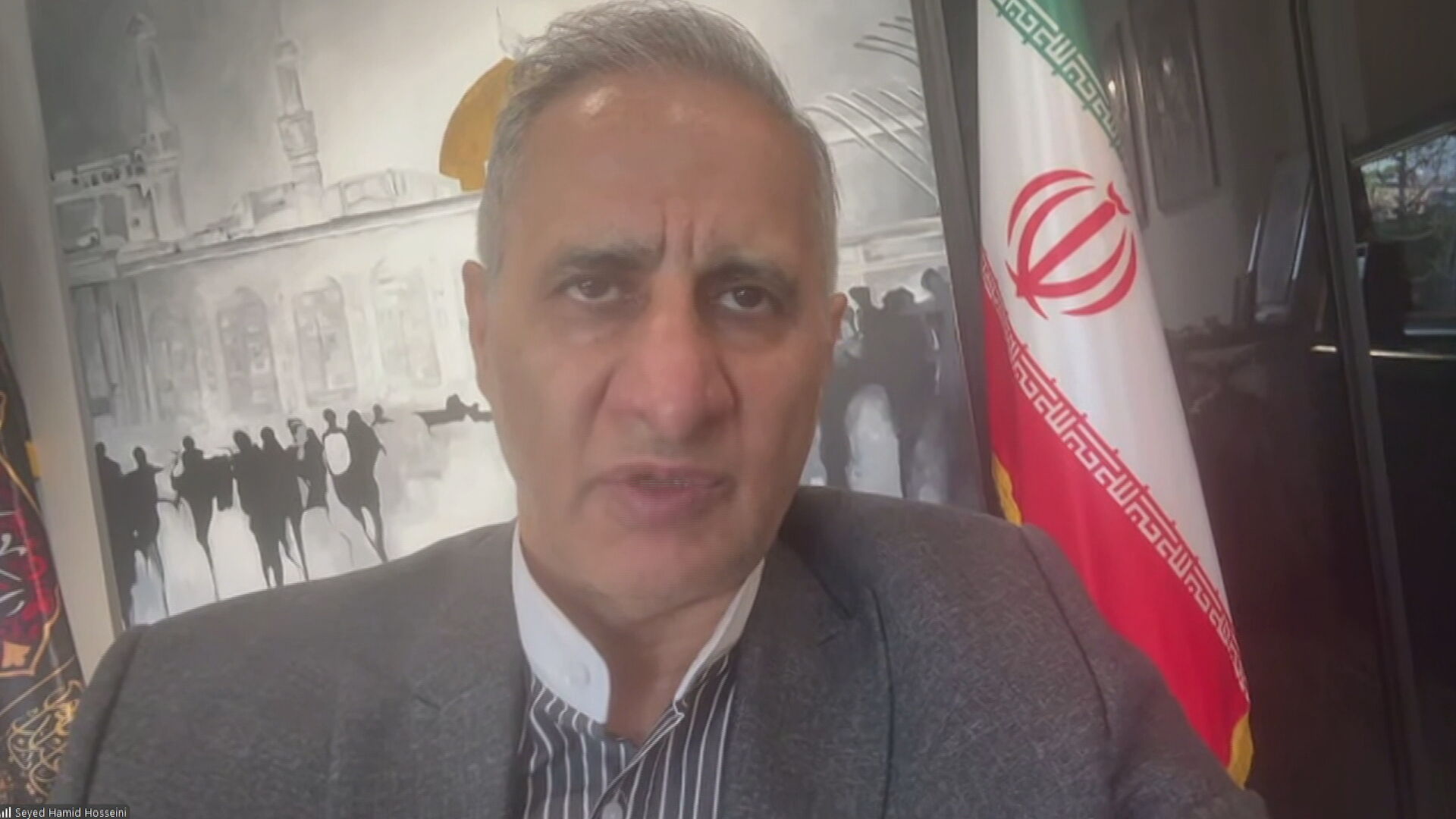
Hamid Hosseini, spokesperson for the Iranian Oil, Gas, and Petrochemical Products Exporters' Union (OPEX), stated during Channel8’s economic bulletin that following the agreement between Iran and the United States, Iran plans to dispatch 25 million barrels of oil to global markets.
He added that Iran currently holds substantial oil inventories aboard vessels and in storage facilities and aims to increase production once these inventories are sold.
Oil Production Curtailed Due to Full Storage Capacity
The spokesperson for OPEX stated that ongoing negotiations have contributed to the reopening of the Strait of Hormuz and the removal of maritime blockades.
He expressed hope that this phase would lead to the release of part of Iran’s frozen assets and the lifting of restrictions on Iranian oil sales.
Hosseini stated that Iran currently has large volumes of oil stored on vessels and that storage facilities have reached capacity, forcing a reduction in oil production.
He added that the priority is to sell the oil already stored aboard ships in order to free storage capacity and allow oil companies to resume production.
Iran Plans to Release 25 Million Barrels to Markets
The director of the National Iranian Oil Company (NIOC), who accompanied the negotiating delegation to Geneva, announced that Iran intends to dispatch 25 million barrels of oil to global markets following the agreement concerning maritime blockades.
According to Hosseini, oil prices stood at $80 on Friday morning but declined to $78 later in the day as the Iranian delegation departed for Geneva.
Assurances on Iranian Oil Sales
The spokesperson stated that Iran is attempting to avoid conducting oil transactions in US dollars due to concerns that funds could pass through the United States and become subject to asset seizure.
He added that American officials had assured that no obstacles would be placed on the sale of Iranian oil.
Avoiding Transactions in U.S. Dollars
Hosseini stated that Iran seeks to reduce reliance on US dollar transactions because such transactions may route through the United States and create complications for repatriating oil revenues.
Instead, Iran intends to use currencies such as the Japanese yen, UAE dirham, and other accessible currencies.
He added that, based on the assurances provided, the oil currently stored aboard Iranian vessels will be exported without obstruction.
According to his remarks, this phase could lead to changes among Iran’s oil buyers, with European countries beginning to purchase Iranian oil, while Southeast Asian markets may also increase imports.
He stated that future decisions will determine whether transactions in US dollars will continue.
China Expected to Remain Iran’s Largest Oil Buyer
Hosseini stated that, except for Israel, Iran faces no restrictions in selling oil to any country, including the United States.
He added that China will remain Iran’s largest buyer and is expected to receive the highest volume of Iranian oil exports.
Focus on Expanding Access to Global Markets
Hosseini stated that Israel remains a red line for Iran, while no issues exist regarding oil sales to the United States or other countries.
He added that the United States is not a major oil importer from the region and purchases approximately 700,000 to 800,000 barrels per day from the Middle East overall.
According to Hosseini, Iran seeks to trade with all countries but intends to prioritize and expand its position in the Chinese market.
22/06/2026