Ali al-Shatari: Kirkuk Oil Exports Rise to 7 Million Barrels per Month
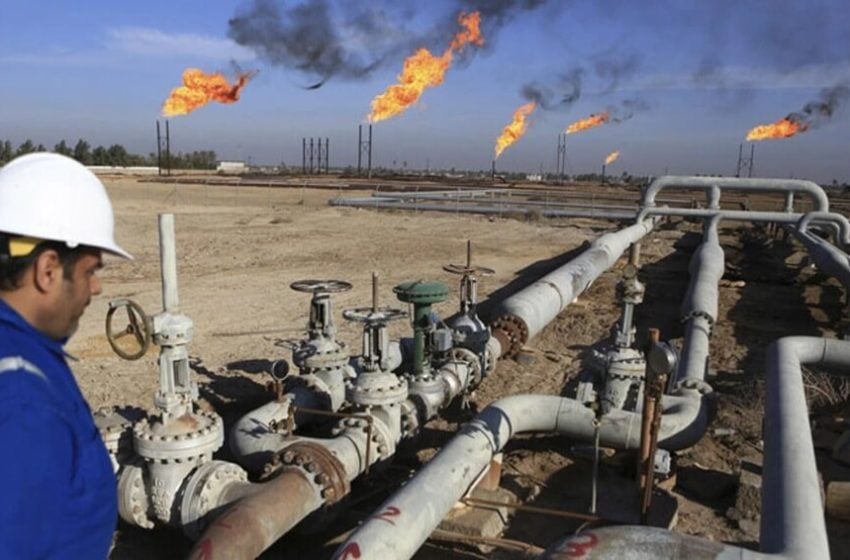
Iraq is recording a notable increase in oil production from its southern fields alongside a significant rise in exports from Kirkuk, reflecting broader efforts to strengthen production and export capacity.
Rising Production in Southern Fields and Export Growth
Oil production from Iraq’s southern fields has increased to nearly 2.1 million barrels per day (bpd).
At the same time, the number of oil tankers loading Iraqi crude at Gulf terminals has continued to rise. According to statistics from the State Organization for Marketing of Oil (SOMO), daily exports from the southern fields currently stand at 444,000 barrels.
The Rumaila oil field has played a central role in increasing output, reaching nearly 1.1 million bpd.
Production at the Zubair field has also risen by 120,000 bpd, bringing total output there to approximately 320,000 bpd.
According to the Iraqi Ministry of Oil, current plans and projections indicate that production from the southern fields could exceed 3 million bpd within the next one to two months as part of efforts to expand export capacity and strengthen Iraq’s position in global markets.
Kirkuk Exports Increase to 7 Million Barrels Monthly
Ali al-Shatari, Director General of SOMO, announced that Kirkuk oil exports have increased from 4 million barrels to 7 million barrels per month.
He stated that there is currently no surplus production that cannot be exported and emphasized that export operations continue without interruption.
Background on Production Changes and Field Operations
Following the Iran war, Iraq began reducing production across its oil fields on March 5, 2026, after the decision taken on February 28.
The Rumaila field, one of Iraq’s largest oil fields, previously produced 1.5 million bpd and accounted for 40% of the country’s total output.
The field is operated by Basra Oil Company in partnership with Britain’s British Petroleum (BP) and China’s PetroChina.
3 hours ago