Oman and Iran Agree to Continue Talks on Navigation Management in the Strait of Hormuz
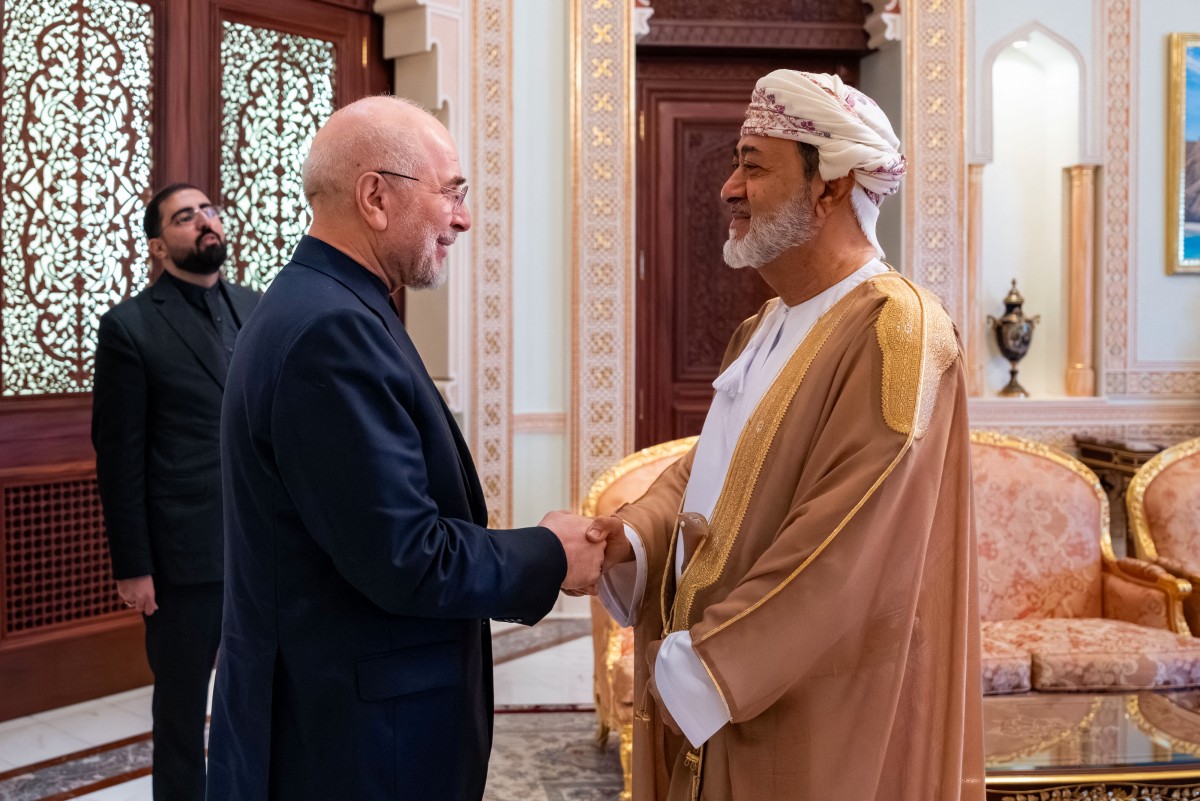
Oman and Iran have agreed to continue discussions on the future administration of navigation in the Strait of Hormuz, including maritime services and associated costs in one of the world’s most strategically important waterways.
The agreement was announced in a joint statement issued on Tuesday following talks in Muscat between senior officials from both countries.
According to the statement, the two sides will establish a joint working group involving their respective foreign ministries to continue consultations on navigation management in the strait. Oman and Iran also said they would engage with other Gulf littoral states and relevant stakeholders as part of the process.
Discussions on Maritime Administration
The move appears to advance provisions contained in a memorandum of understanding signed last week, which calls for consultations between Iran, Oman, and other coastal states regarding the future management of navigation and maritime services in the Strait of Hormuz.
The waterway is one of the world's most important energy transit routes, serving as a key corridor for global oil and natural gas shipments.
High-Level Meetings in Muscat
The announcement followed a visit to Oman by Iranian Parliament Speaker Mohammad Bagher Ghalibaf and Foreign Minister Abbas Araghchi.
During the visit, the Iranian delegation met with Sultan Haitham bin Tariq and held talks with Omani Foreign Minister Badr al-Busaidi to discuss bilateral relations and regional developments.
Commitment to Maritime Safety
In their joint statement, Oman and Iran reaffirmed their commitment to ensuring the safe passage of vessels through the Strait of Hormuz in accordance with international law, while also emphasizing their sovereignty over their territorial waters.
Both countries stated that the strait should remain a secure and open route for international navigation and underscored the importance of maritime safety, freedom of navigation, and regional stability.
Regional Tensions
The discussions come amid heightened tensions in the region following the outbreak of hostilities involving Iran, the United States, and Israel earlier this year.
Commercial shipping activity through the Strait of Hormuz has been significantly affected in recent months, raising concerns about global energy supplies and maritime security in the Gulf region.
The Strait of Hormuz remains a vital maritime corridor, handling a substantial share of the world's seaborne oil exports and serving as a strategic link between the Persian Gulf and international markets.
2 hours ago