Behind Iraq's Dinar Instability and $31B Reserve Plunge: Global Shifts, US Oversight, and Digital Remittances
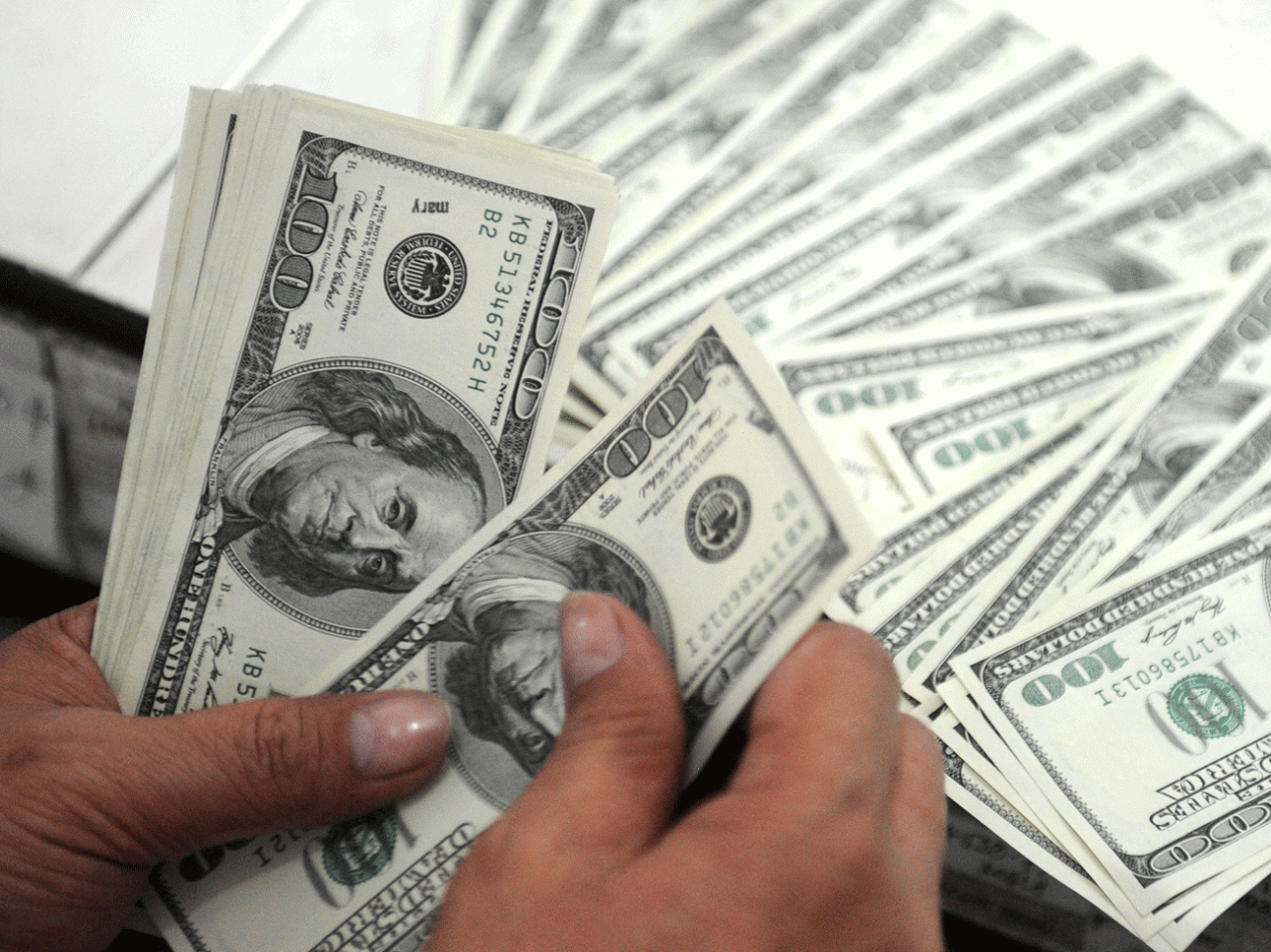
The continuous instability of the Iraqi dinar is escalating as global financial shifts, strict U.S. Treasury oversight, and the implementation of new digital methods of monetary remittance collide with a $31.1 billion plunge in foreign reserves.
The appreciation of the US dollar against the Iraqi dinar is heavily driven by a parallel market cash shortage, as domestic demand outpaces the liquidity injected by the Central Bank of Iraq (CBI).
Under classic market mechanisms, this structural supply deficit triggers an automatic devaluation of the local currency.
This cash crunch is further exacerbated by mounting regional and global geopolitical volatility, which prompts local investors and citizens to aggressively hoard the greenback as a safe-haven asset.
However, the CBI earlier this week denied any intention to alter the exchange rate given the current resilience of the Iraqi economy, reaffirming its steadfast commitment to "meeting the legitimate demand for the U.S. dollar in accordance with approved regulations and standards."
Customs Gaps and Import Reliance Fuel Kurdistan's Dollar Bottlenecks
As a heavily import-reliant economy, Iraq faces a structural dependence on cash dollars to finance foreign trade.
A primary driver of the ongoing currency crisis is the Central Bank's inability to efficiently allocate official-rate dollars to merchant networks, a bottleneck acutely felt in the Kurdistan Region.
Lacking full integration into the ASYCUDA (Automated System for Customs Data) network, regional traders are locked out of official banking channels and forced to source hard currency via the parallel market, structurally maintaining a high exchange rate.
US Treasury Blacklisting and Compliance Measures
Between 2022 and 2026, five structural transformations within Iraq’s financial architecture drastically curtailed the domestic availability of cash dollars.
Chief among these headwinds was the 2023 blacklisting of 14 private Iraqi banks by the US Department of the Treasury.
This enforcement action, coupled with aggressive compliance mechanisms designed to disrupt money laundering, severely constricted the physical shipments of US currency that historically arrived via cargo flights from the United States.
Digitized Dollar Auction and Dropping Oil Revenues
The digitization of the central bank's foreign currency sale window for all cross-border transactions has further exacerbated the domestic dollar liquidity crunch.
Compounded by a parallel contraction in oil revenues, these regulatory hurdles have placed immense downward pressure on Iraq's foreign currency reserves.
According to official data, the state's foreign exchange holdings have plunged to $96.9 billion, representing a staggering $31.1 billion drawdown in a span of less than three years, down from its December 2023 peak.
1 hour ago