Iraqi Government Spokesperson: PM Ali Faleh al-Zaidi Will Not Receive a Salary and Will Not Participate in Elections
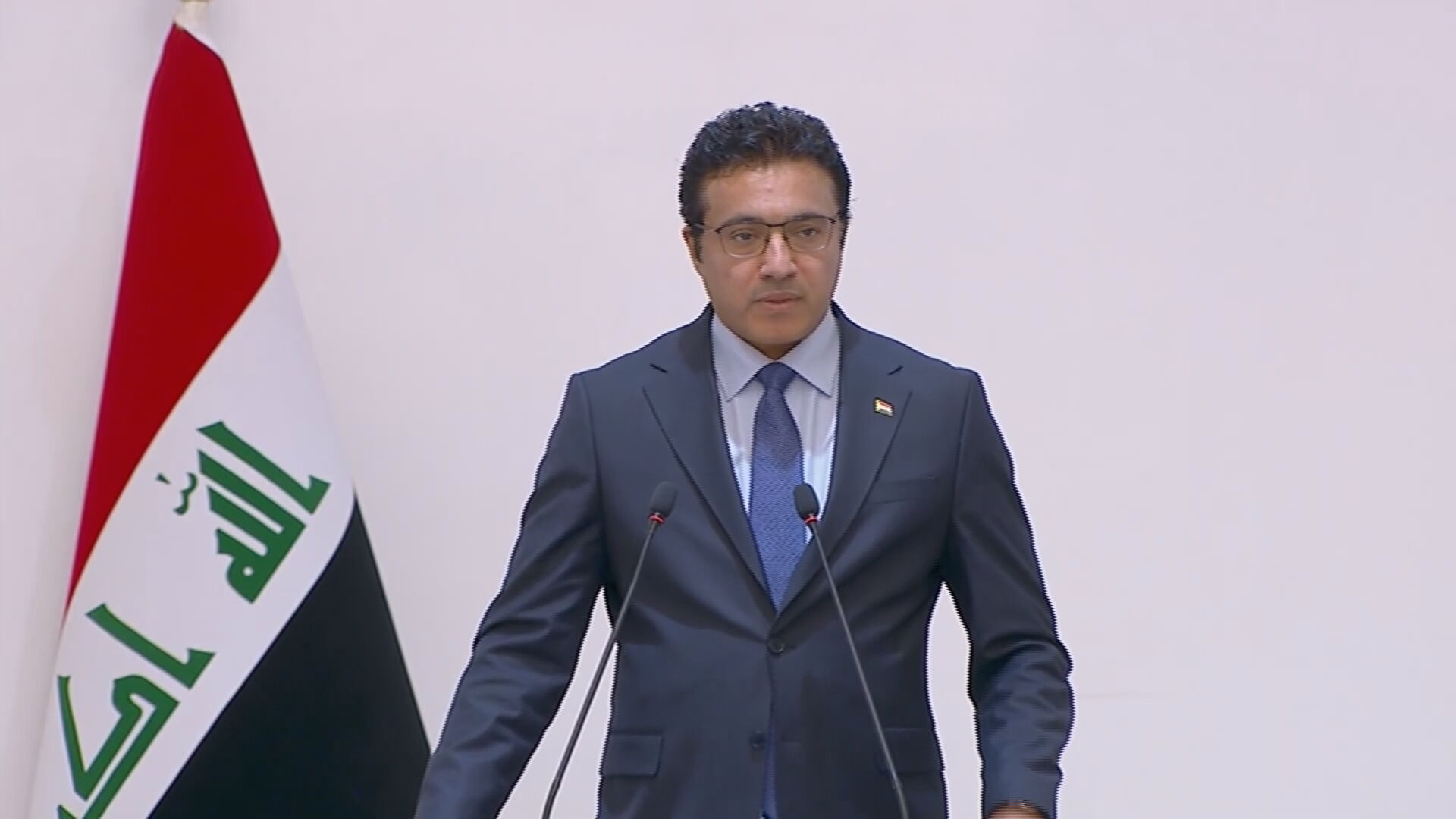
The Iraqi government spokesperson announced that Prime Minister Ali Faleh al-Zaidi will not accept a state salary and that his government’s priority is to rescue the economy by reducing dependence on oil revenues and confronting corruption without political considerations.
Political Independence and Anti-Corruption Approach
Haider al-Aboudi, spokesperson for the Iraqi government, stated that Prime Minister Ali Faleh al-Zaidi has committed to not receiving any salary from the state, stating that he does not require it.
Al-Aboudi added that al-Zaidi has removed himself from the calculations associated with seeking a second term as president or prime minister.
According to the spokesperson, al-Zaidi will not participate in elections, will not engage in any political agenda, and does not intend to establish a political party.
Al-Aboudi stated that this independence enables the Prime Minister to address corruption files without pressure or political calculations and to act solely in the public interest.
Ten-Year Plan to Reduce Dependence on Oil
According to the Iraqi government spokesperson, the new government has developed a 10-year strategy under which Prime Minister Ali Faleh al-Zaidi will lead a specialized committee tasked with reducing the state budget’s dependence on oil revenues.
The plan aims to lower reliance on oil from 90% to 45%.
This objective is intended to be achieved through increasing non-oil revenues, regulating border crossings, restructuring customs procedures, and activating the taxation system.
Financial Stability Council and Salary Commitments
Under the framework of the “Financial Stability Council,” the Prime Minister has brought together institutions responsible for monetary and fiscal policy, including the Central Bank and the Ministry of Finance.
Al-Aboudi stated that the government currently requires less than 10 trillion Iraqi dinars per month to meet salary obligations and public expenditures.
He added that the government has relied on domestic solutions and has not turned to foreign borrowing, describing this approach as part of efforts to safeguard public sector salaries.
Position on Monetary Policy and Exchange Rates
The Iraqi government spokesperson also denied reports suggesting plans to print additional currency or alter the exchange rate of the U.S. dollar.
He stated that increasing the dollar exchange rate to offset liquidity shortages would not serve citizens and would instead place additional burdens on them.
For that reason, he said, the government does not intend to pursue such measures.
Government Priorities During Its First Weeks in Office
The Iraqi government has been in office for one month and nine days.
According to Haider al-Aboudi, despite the short period in office, the government has approached sensitive issues with courage.
He stated that the government’s main objective at this stage is to rebuild trust between citizens and state institutions through transparency and practical action on economic and financial matters.
2 hours ago