Qatar, Oman Discuss Regional Talks on Future of Strait of Hormuz
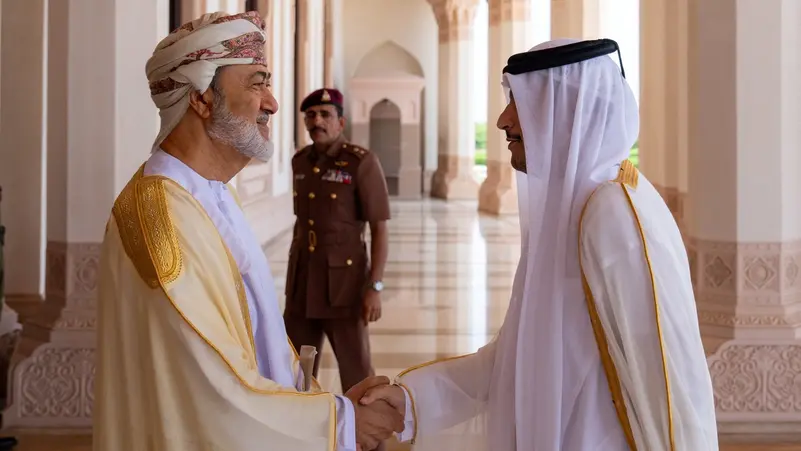
Qatari Prime Minister and Foreign Minister Sheikh Mohammed bin Abdulrahman Al Thani visited Oman on Wednesday for discussions on launching regional negotiations involving Iran, Iraq and Gulf Arab states over the future management of the Strait of Hormuz, a diplomat familiar with the talks told Reuters.
The proposed discussions, which would focus on navigation and maritime services in the strategic waterway, are separate from ongoing U.S.-Iran peace negotiations and de-mining arrangements in the Gulf, the diplomat said.
The Strait of Hormuz, through which roughly one-fifth of the world's oil and liquefied natural gas supplies pass, has faced significant disruption since the outbreak of the U.S.-Israeli war against Iran on February 28, affecting commercial shipping and fueling volatility in global energy markets.
Regional Talks Under Consideration
The initiative appears to implement provisions contained in a memorandum of understanding signed last week, which calls for Iran to hold discussions with Oman, Iraq and Gulf Arab states on the future administration of navigation and maritime services in the strait.
According to the diplomat, Pakistan has been proposed as a mediator for the negotiations.
Separate plans are also being considered for broader regional reconciliation talks involving Iran, Gulf Arab states and potentially other countries in the region.
Oman Establishes Temporary Shipping Routes
Earlier on Wednesday, Oman announced the establishment of two temporary maritime routes north and south of the existing shipping lane in the Strait of Hormuz to facilitate the safe departure of vessels from the region.
Under a phased plan developed by the International Maritime Organization in coordination with Omani authorities, ships will be grouped and contacted individually regarding departure schedules and designated transit routes.
Oman said shipowners and vessel masters would remain responsible for conducting independent risk assessments before voyages.
Authorities instructed vessels to keep their Automatic Identification System active while transiting the waterway and to report any navigational hazards to the Oman Maritime Security Centre.
No Transit Fees Planned
Oman's statement said no tolls would be imposed on ships passing through the Strait of Hormuz, in line with understandings reached during recent talks between the United States and Iran.
The announcement came a day after Iran and Oman began discussions on the future administration of navigation and maritime services in the strategic waterway.
The Strait of Hormuz remains one of the world's most important energy corridors, making any disruption to shipping through the passage a significant concern for global oil markets and international trade.
2 hours ago