Ships Resume Transit Through Strait of Hormuz Under UN-Led Evacuation Plan
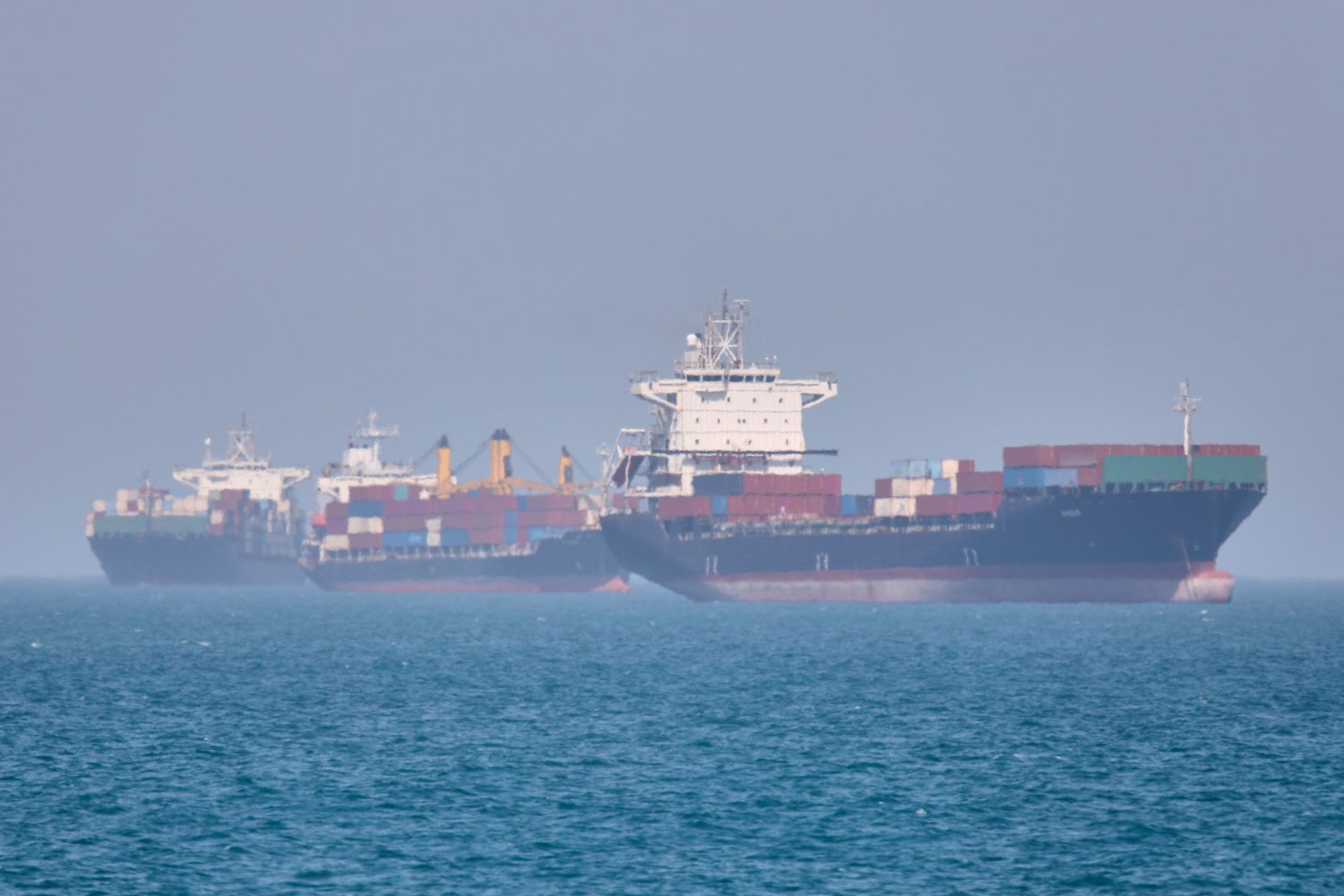
Ships have begun transiting the Strait of Hormuz under a newly implemented United Nations-backed maritime scheme designed to evacuate hundreds of vessels stranded in the Gulf by months of conflict and heightened security risks, an International Maritime Organization (IMO) spokesperson said on Wednesday.
The initiative, coordinated by the IMO after months of negotiations, aims to facilitate the safe departure of hundreds of ships and approximately 11,000 seafarers trapped inside the Gulf since the outbreak of hostilities in the region.
"Ships have already begun to pass under the plan," an IMO spokesperson said, declining to identify the vessels that had completed the transit.
Commercial Vessels Resume Passage
Shipping data from the London Stock Exchange Group (LSEG) showed that at least two dry bulk carriers and one cargo vessel had passed through the strategic waterway under the scheme during the previous 12 hours.
Separate shipping data also indicated that three tankers carrying approximately 5 million barrels of crude oil were exiting the strait, with two vessels heading toward Asian markets. It was not immediately clear whether those tankers were operating under the IMO framework.
According to Reuters analysis of LSEG and MarineTraffic data, at least 35 additional vessels — including dry bulk ships, cargo vessels, container ships, tugboats and five oil tankers — were preparing to transit the strait.
Temporary Shipping Corridors Established
Under the new arrangement, vessels are permitted to leave the Gulf using two temporary routes established after the United States and Iran reached a ceasefire framework.
One route runs through Iranian territorial waters to the north, while the second follows a southern corridor through waters coordinated by Oman and the United States.
The IMO instructed vessels to await official authorization before proceeding.
"Vessels should wait for instructions before proceeding," the organization said in operational guidance issued on Wednesday.
"Crowding the waiting area will only result in the need to pause further notifications for the safety of navigation."
The traditional Traffic Separation Scheme, established by the IMO in 1968 to regulate shipping movements through Iranian and Omani waters, remains partially unusable because of ongoing maritime security concerns, including the risk posed by naval mines, according to shipping and security sources.
Shipping Activity Gradually Recovers
Maritime analytics firm Kpler said traffic through the Strait of Hormuz has increased in recent days, with vessel movements averaging more than 25 ships daily compared with roughly 10 to 11 ships during the height of the disruption.
However, traffic remains significantly below pre-conflict levels, when approximately 125 vessels transited the waterway each day.
Analysts noted that some ships have resumed transmitting their Automatic Identification System (AIS) signals after periods of radio silence, although widespread signal disruptions and security concerns continue to complicate vessel tracking.
Industry estimates suggest that between 500 and 600 vessels remain stranded inside the Gulf, including as many as 100 oil tankers.
Safety Risks Persist
The IMO initiative is intended only to facilitate the departure of stranded vessels and does not currently apply to ships seeking to enter the Gulf to load crude oil or other cargoes.
British maritime security consultancy Vanguard said the framework was developed because of deteriorating navigational conditions in the strait and increased concerns over collisions and maritime security.
"The framework was developed due to the continued degradation of navigational safety within the strait and concerns over elevated collision risks," the company said in a note.
It added that shipowners and vessel masters remain responsible for conducting independent risk assessments and warned that vessel movements could be suspended at any time because of safety, security or naval considerations.
The disruption to shipping has contributed to a sharp increase in tanker freight rates in recent weeks as vessel availability tightened and security risks — including concerns over floating mines — intensified.
The Strait of Hormuz, through which roughly one-fifth of global oil and liquefied natural gas supplies pass, remains one of the world's most strategically important energy chokepoints.
24/06/2026