Funding Shortages Threaten Landmine Clearance Efforts in Kurdistan Region
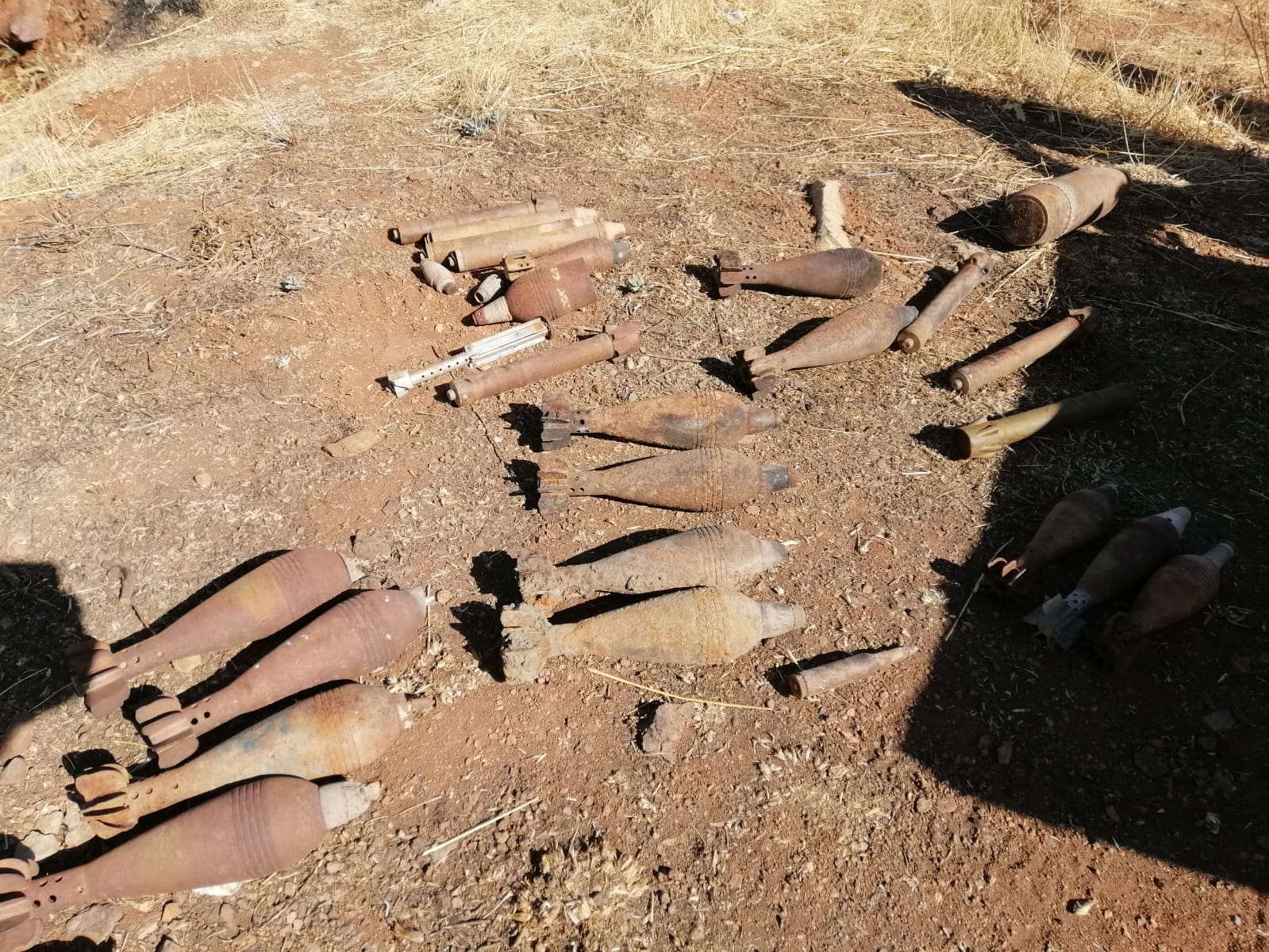
The Kurdistan Region's General Directorate of Mine Affairs has warned that ongoing financial constraints and a shortage of equipment could prevent authorities from clearing all landmine-contaminated areas by the internationally agreed deadline, despite the continued threat posed to civilians.
Officials say limited funding and inadequate technical resources have significantly slowed demining operations across the region, raising concerns that thousands of residents living near contaminated areas will remain at risk.
Casualties Continue to Rise
According to the Directorate, eight people have fallen victim to landmines and unexploded ordnance in the Kurdistan Region since the beginning of 2026, including two fatalities.
Jabbar Mustafa, head of the General Directorate of Mine Affairs, said the human toll of mines and war remnants remains severe. Since 1992, a total of 13,560 people have been killed or injured by landmines and explosive remnants of war across the Kurdistan Region.
The figures underscore the long-term humanitarian impact of decades of conflict and the continued danger posed by uncleared minefields.
Hundreds of Square Kilometers Still Contaminated
Officials estimate that approximately 776 square kilometers of land in the Kurdistan Region were contaminated by landmines and explosive remnants of war. Of that total, around 213 square kilometers remain uncleared.
More than 65 percent of the remaining contaminated areas are located in the governorates of Sulaymaniyah and Halabja, making them the most heavily affected areas in the region.
Authorities say these areas continue to pose both environmental and security risks, limiting agricultural activity, development projects, and safe access for local communities.
Budget and Equipment Shortages Hamper Operations
The Mine Affairs Directorate says the absence of a dedicated investment budget for demining operations remains one of the biggest obstacles facing clearance efforts.
Officials also cited shortages of specialized equipment, including demining vehicles and technical tools, which have reduced operational capacity and slowed the pace of mine clearance activities.
According to the Directorate, these challenges have prevented demining teams from carrying out their work effectively in several contaminated areas.
2028 Target Increasingly Unlikely
Iraq and the Kurdistan Region are parties to the Ottawa Convention, the international treaty aimed at eliminating anti-personnel landmines and clearing contaminated territories.
Under commitments made in 2007, contaminated areas were initially expected to be cleared by 2018. However, due to financial and logistical challenges, the deadline was extended to 2028.
Officials at the Mine Affairs Directorate now warn that, without additional funding and equipment, the Kurdistan Region is unlikely to complete clearance operations by the revised deadline.
The Directorate has called for greater financial support and investment in demining efforts to reduce risks to civilians and fulfill international obligations.
2 hours ago