Ghalibaf Says U.S. ‘Harvested Decades of Mistrust’ With Iran
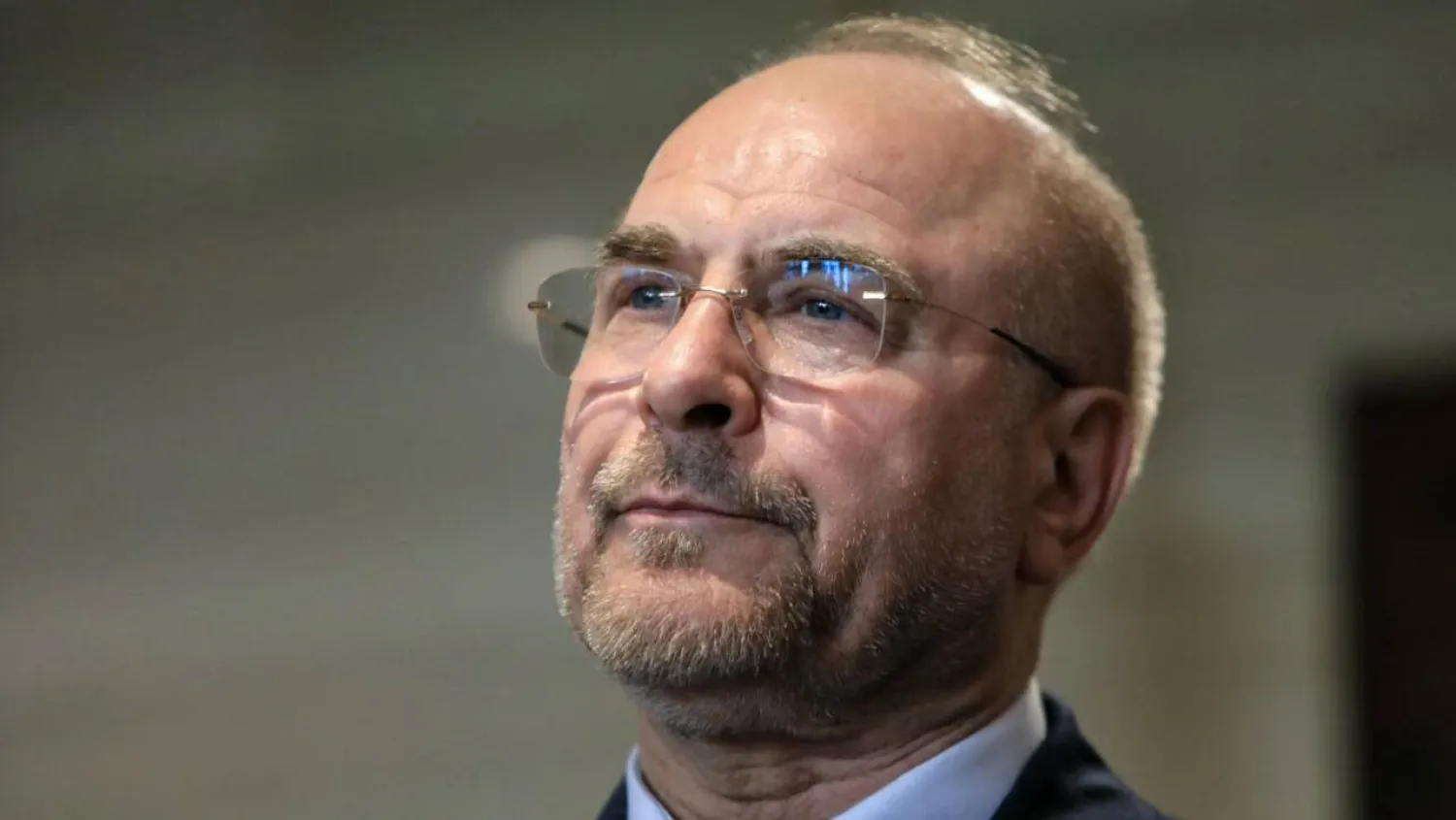
Iranian Parliament Speaker Mohammad Bagher Ghalibaf has strongly criticized recent U.S. assertions regarding the potential use of Iran’s unfrozen financial assets, accusing Washington of spreading misinformation and reinforcing decades of mistrust between the two countries.
In a statement published on the social media platform X, Ghalibaf dismissed claims that released Iranian assets would be used to purchase American agricultural products.
"Decades of Mistrust"
“America falsely claims our unfrozen assets will buy their agriculture,” Ghalibaf wrote. “The only crop we're harvesting is what you planted: decades of mistrust.”
The speaker used agricultural imagery to emphasize what he described as the long-standing erosion of trust between Tehran and Washington, characterizing the mistrust as “organic, abundant, and homegrown.”
Criticism of U.S. Policy
Ghalibaf further accused the United States of exporting “broken promises and trash talks” rather than engaging in constructive diplomacy. His remarks reflect broader Iranian criticism of U.S. policies, particularly regarding sanctions and the handling of Iranian assets frozen abroad.
Ongoing Dispute Over Frozen Assets
The comments come amid continuing tensions between Iran and the United States over sanctions, nuclear negotiations, and access to Iranian funds held overseas. Discussions surrounding the release of these assets have remained a contentious issue in diplomatic exchanges between the two countries.
U.S. officials have previously stated that access to certain Iranian funds would be subject to restrictions and oversight mechanisms. Iranian officials, however, have consistently argued that the assets belong to Iran and should not be subject to political conditions.
Relations Remain Strained
Ghalibaf’s remarks underscore the deep mistrust that continues to define relations between Tehran and Washington. Despite intermittent diplomatic efforts to ease tensions, significant disagreements remain over sanctions, regional issues, and the future of bilateral engagement.
![Irani’s Araghchi, left, meets with Pakistan’s Munir in Islamabad, Pakistan, in April 2026 [File: Iranian Foreign Ministry/AP Photo]](https://media.channel8.com/english/wp-content/uploads/2026/05/AP26115285212508-1777383639.webp)
.jpg)