Iraq Denies OPEC Exit Reports, Reaffirms Commitment and Production Recovery Plans
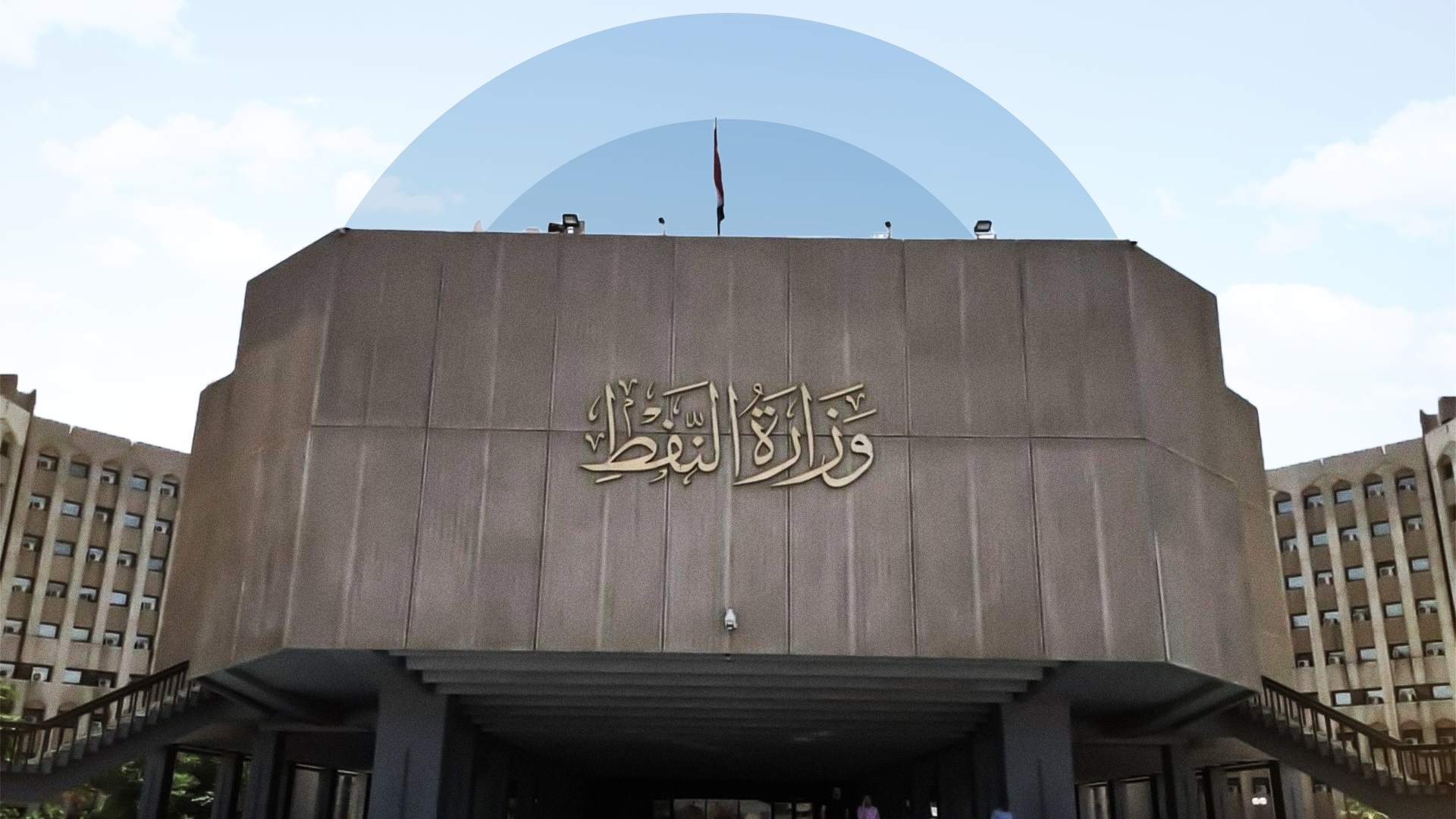
The Iraqi Ministry of Oil has officially denied reports suggesting a potential withdrawal from OPEC, reaffirming its commitment to the organization while confirming that Iraq is working within established technical mechanisms to gradually phase out voluntary cuts and restore its production baseline over the coming months.
Iraq is a founding member of OPEC, having co-founded the organization during the historic Baghdad Conference in September 1960.
Today, it stands as the group's second-largest crude oil producer, with petroleum revenues accounting for roughly 90% of the country's state budget.
Iraq Denies OPEC Exit Reports, Backs Capacity Review
“The reports suggesting that Iraq is considering ending its membership in OPEC do not reflect the official position of the Iraqi Government. Neither the Prime Minister nor the Government of Iraq has proposed withdrawing from the Organization,” the ministry said in a statement on Thursday.
The ministry emphasized that Iraq consistently advocates for reassessing production baselines to align with members' sustainable capacities while accounting for the country's unique security and economic circumstances.
Iraq Engages in Independent OPEC+ Capacity Review
The ministry highlighted that OPEC and its partners have launched an independent assessment of member countries' maximum sustainable production capacities, a process in which Iraq is actively participating according to schedule.
“This process is currently being implemented in coordination with an independent international consulting firm, with Iraq actively participating, in accordance with the agreed timetable.”
The statement affirmed that “OPEC and the participating non-OPEC countries have already begun the gradual restoration of previously curtailed production volumes, with all voluntary production cuts scheduled to be fully phased out over the coming months.”
According to the ministry, this will increase Iraq's production baseline, ensuring all capacity and baseline issues are resolved through established OPEC+ technical and consensus-based mechanisms.
Conflict Damage Costs Iraq $37.7B as Oil Sector Seeks Fair Quotas
The regional conflict severely disrupted Iraq's oil production by blocking key maritime export routes and halting shipments through critical infrastructure. The closure of the strategic Strait of Hormuz during the conflict caused Iraq's daily oil production to plunge from over 4.1 million barrels per day (bpd) down to approximately 1.3 million bpd.
This critical export disruption has cost the state an estimated $37.7 billion in lost revenue over four months, though southern oilfields are now gradually recovering. Although fields are now restarting, the industry faces ongoing challenges from damaged facilities and logistical bottlenecks created during the hostilities.
Regarding this situation and other challenges, the ministry said that there is “a high level of understanding” among member countries concerning the country’s unique circumstances and the challenges faced by its oil industry over the past four decades, including wars, sanctions, and numerous other difficulties.
The ministry noted that recent terrorist attacks and acts of sabotage have heavily damaged significant portions of Iraq's oil infrastructure and supporting facilities.
Consequently, these exceptional circumstances must be considered to secure a fair production quota that protects Iraq's revenue and its position as OPEC's second-largest producer during its ongoing rehabilitation projects.