Iraq Finance Ministry Rejects KRG Revenue Cut, Will Deduct 120B IQD From Salaries
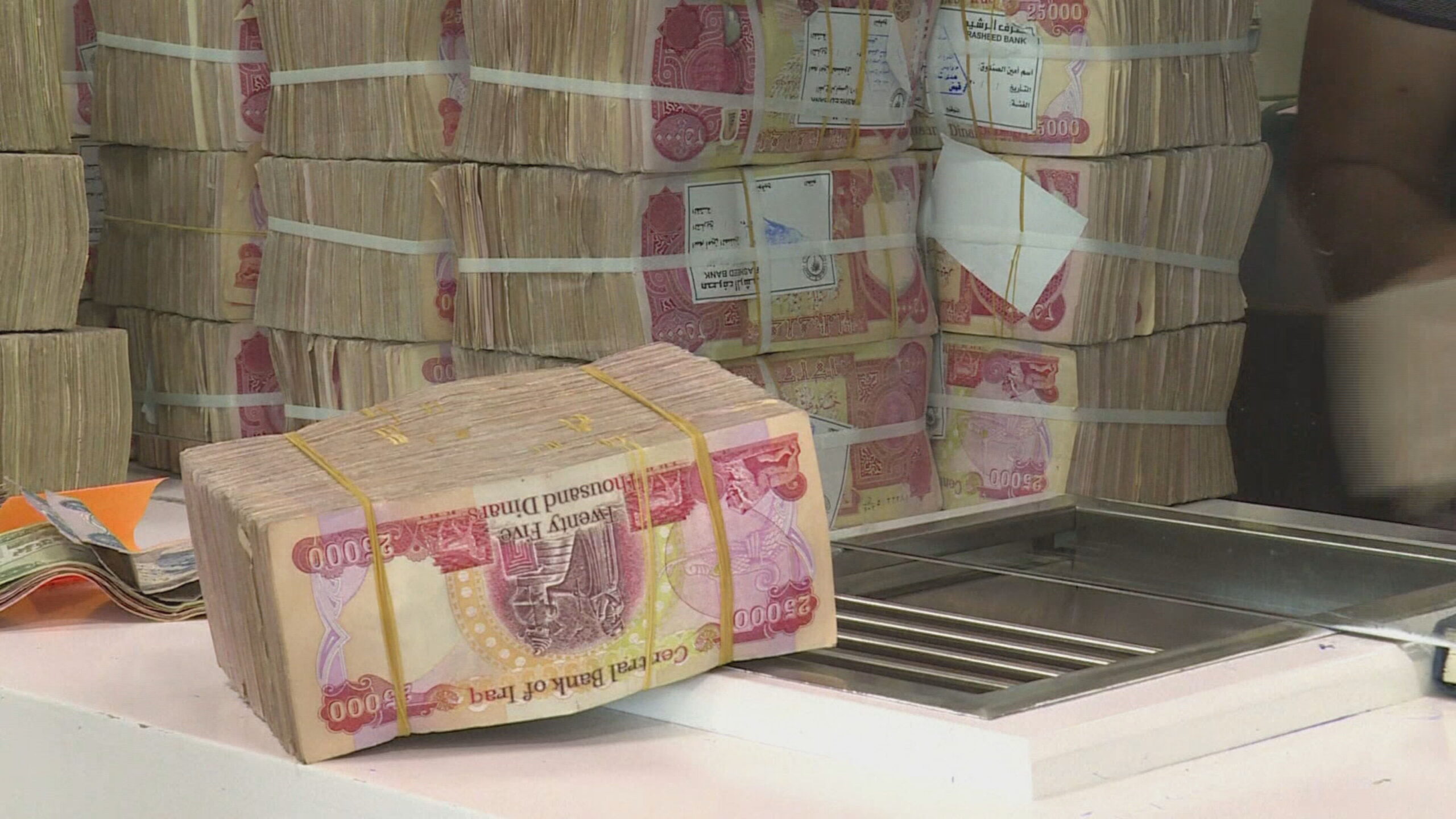
Channel8 has learned that Iraqi Minister of Finance Faleh al-Sari will deduct the Kurdistan Region’s non-oil revenue from the payroll and send salaries next week, while a source revealed that a Kurdistan Regional Government (KRG) proposal to reduce its monthly remittance was rejected by Baghdad.
A senior official within the KRG Council of Ministers told Channel8 that the Iraqi Finance Minister remains firm on demanding 120 billion IQD from the Kurdistan's domestic revenue.
While the minister waited for Erbil to remit 50 billion IQD last month, he will not do so this month, opting instead to automatically deduct the shortfall from the payroll next week and dispatch the remaining 830 billion IQD for the June salary cycle.
KRG Proposes 60B IQD Remittance Cap
According to information obtained by Channel8 from the Council of Ministers, the KRG has proposed that Baghdad halve the required local revenue remittance due to the current domestic deficit, reducing the monthly target to 60 billion IQD.
However, the federal government has not yet agreed to this request.
The source noted that the Iraqi Finance Minister informed the KRG delegation, which recently visited Baghdad, that he cannot lower the required domestic revenue share unless a new official decree is issued by the Iraqi Council of Ministers. Until a cabinet-level decision is made, the ministry will continue to demand the full 120 billion IQD.
Additionally, the source stated that local domestic revenues will continue to decline unless ongoing ASYCUDA system issues are resolved, noting that a resolution could see internal revenues recover to their previous levels of over 320 billion IQD.
Consequently, a KRG delegation will visit Baghdad next week to finalize the administrative framework for the system.
The ongoing geopolitical conflict between Iran and the United States has contributed to a 60% drop in local domestic revenue.
Prior to these hostilities and the implementation of the ASYCUDA customs system, the Kurdistan Region generated 320 billion IQD monthly in domestic revenue, whereas last month, receipts plummeted to just 86 billion IQD.
New ASYCUDA Regulations Block Trader Dollars, Diverting Revenue
The senior official explained that the Ibrahim Khalil border crossing, historically the primary source of the Kurdistan's domestic customs revenue, now faces strict import limitations restricted to food and medicine under the newly implemented ASYCUDA system.
Furthermore, all customs duties gathered from these authorized shipments must now be remitted directly to the Iraqi Ministry of Finance rather than remaining with the KRG.
Detailing the shift of trade operations toward federal Iraqi ports of entry, the source stated that the ASYCUDA system bars Kurdish traders from accessing official US dollars if they import goods through the Kurdistan Region's own border crossings.
Instead, merchants must reroute imports through federal Iraqi entry points and pay all applicable customs duties upfront to Baghdad when purchasing dollars from the Central Bank of Iraq, a regulatory shift that has driven the decline in domestic revenues beyond the 60% mark.
KRG Financial Burdens Deepen
Channel8 understands that existing financial obligations heavily strain the Region's diminished domestic revenues. Each month, the KRG must allocate 43 billion IQD from local revenues to pay contract employees, as Baghdad continues to exclude this group from the federal payroll and refuses to fund them.
On top of this payroll burden, the KRG is obligated to pay $45 million monthly from its local funds to Dana Gas for the KRG’s Runaki (Light) initiative to cover natural gas supplies for regional power plants.
2 hours ago