US-Iran Peace Talks Progress in Qatar Despite Fresh Strait of Hormuz Tensions
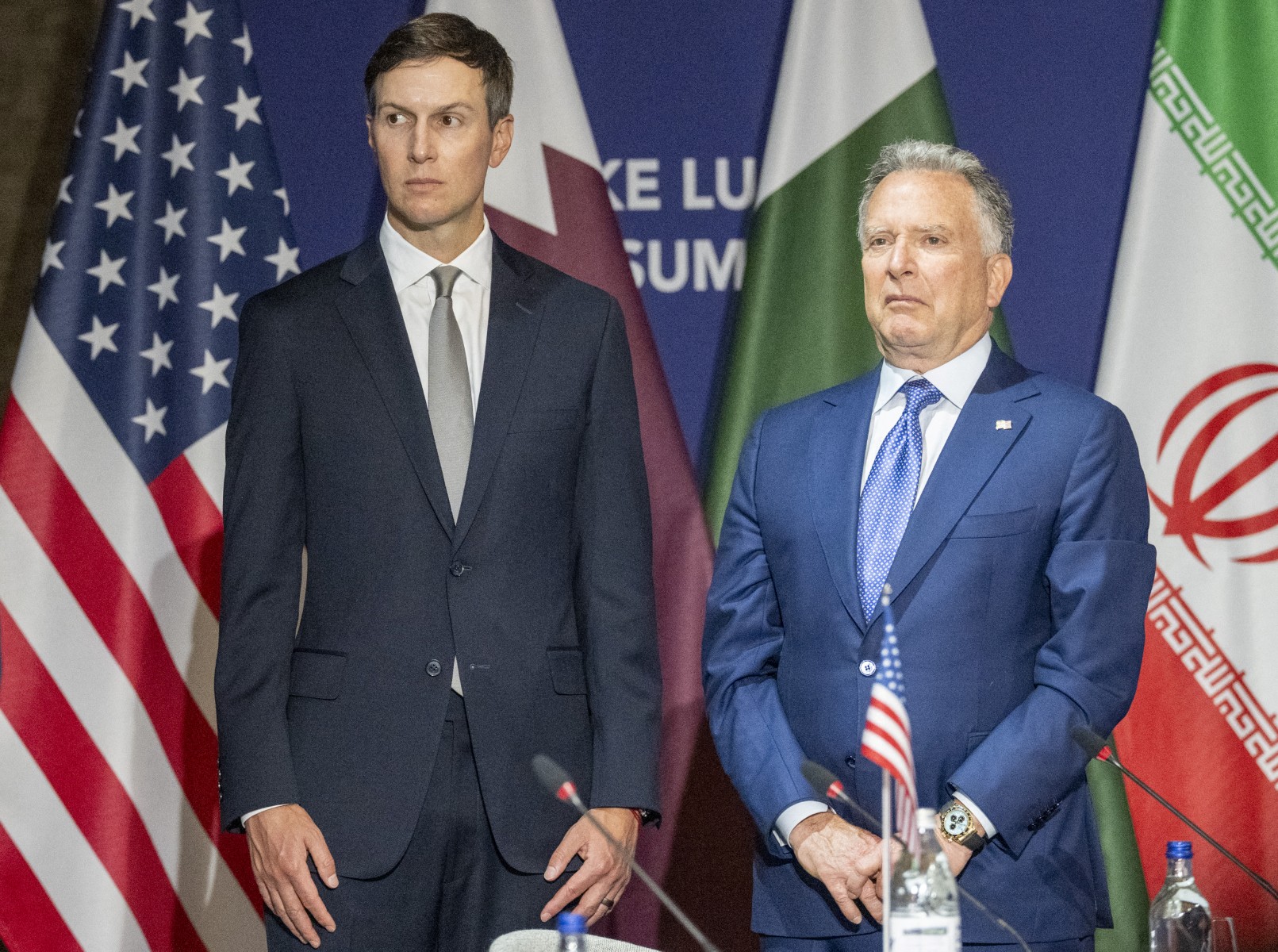
Technical talks between the United States and Iran are moving forward following "positive discussions" in Qatar between senior U.S. negotiators and regional leaders, according to a senior administration official.
The diplomatic push aims to salvage a fragile ceasefire recently imperiled by a series of military clashes over the strategic Strait of Hormuz.
Jared Kushner and Steve Witkoff, representing the Trump administration, returned to Doha as part of ongoing indirect negotiations intended to forge a long-term peace deal. While an interim agreement signed earlier this month established a 60-day negotiating window, recent maritime hostilities have underscored the volatile nature of the diplomatic track.
Indirect Diplomacy and Extended Deadlines
Qatari mediators have downplayed immediate expectations for a breakthrough, noting that the top American envoys are not meeting directly with their Iranian counterparts. Instead, progress is being driven by lower-level representatives managing separate, highly technical tracks.
According to a report by The Wall Street Journal citing unnamed U.S. officials, President Trump has opted against resuming a broad military campaign, signaling flexibility on the timeline. Sources indicate Trump told staff he would tolerate negotiations extending past the initial August 18 deadline.
The decision followed several days of deliberations between the President, Defense Secretary Pete Hegseth, and Chairman of the Joint Chiefs of Staff Gen. Dan Caine regarding potential retaliatory strikes. For now, the administration has chosen to prioritize diplomacy, with officials noting Trump remains satisfied with ordering "one-off strikes" solely in response to direct Iranian violations of the memorandum of understanding.
Financial Assets and Shipping Tolls Stalemate
Despite the diplomatic continuity, major structural hurdles remain unresolved. Central to the gridlock are the release of billions of dollars in frozen Iranian assets and the future governance of the Strait of Hormuz, a vital maritime chokepoint that handled roughly 20% of the world’s oil and liquefied natural gas (LNG) prior to the conflict.
The Core Dispute: Tehran is insisting on maintaining a degree of control over maritime traffic through the waterway, signaling an intent to impose transit fees on commercial vessels.
Any implementation of shipping tolls has met fierce resistance from the U.S., European allies, and the majority of Gulf Arab states. While the interim agreement explicitly bars Iran from charging tolls during the initial 60-day window, it leaves the legal framework for post-ceasefire shipping fees ambiguous.
Global Energy Markets React
Global oil benchmarks edged higher in early Asia trading, recovering slightly from Tuesday’s declines as markets warily monitor the stability of the ceasefire.
The conflict, which effectively shuttered the Strait of Hormuz, triggered a severe global energy shock and roiled international financial markets. While energy sectors remain highly sensitive to regional instability, the senior U.S. official noted that commercial shipping transits through the strait have continued to rise in recent days.
2 hours ago