Iran Couldn't Export ‘Single Barrel of Oil’ During U.S. Blockade, Ghalibaf Says
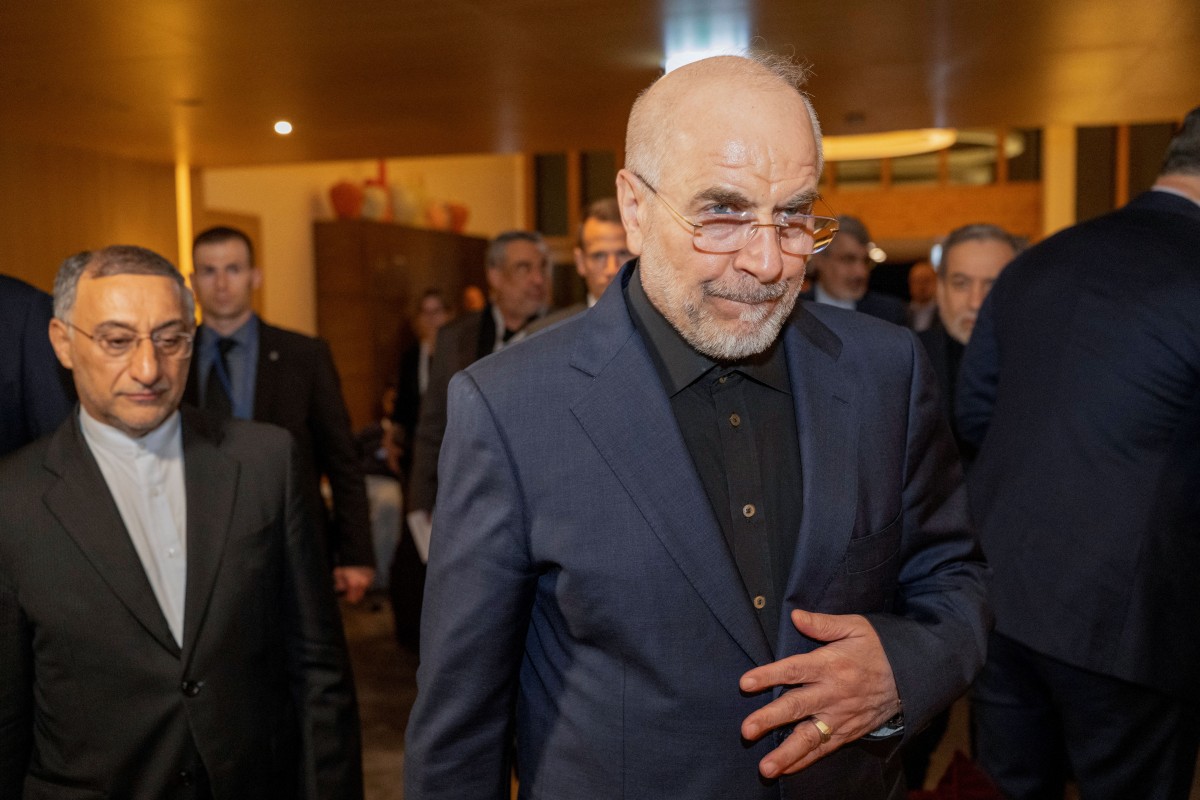
Iran’s chief negotiator, Mohammad Bagher Ghalibaf, announced Tuesday that the country has exported more than 40 million barrels of crude oil since a U.S.-led maritime blockade on its ports was lifted, marking a stark turnaround from weeks of total economic strangulation.
Speaking in an interview on state television, Ghalibaf detailed the severe impact of the recent embargo, contrasting the current export surge with the absolute halt in shipments during the height of the military standoff.
“From the day the blockade was lifted until today, we have exported more than 40 million barrels of oil,” Ghalibaf said. “By contrast, during the previous 50 to nearly 60 days, we were genuinely unable to export even a single barrel of oil.”
A Dual Track: Diplomacy and Defense
The disclosure comes at a critical diplomatic juncture, as both Iranian and American delegations convene in Doha, Qatar, for indirect talks aimed at solidifying a sustainable peace framework.
While Ghalibaf emphasized that Tehran is currently prioritizing a diplomatic resolution with Washington, he struck a highly cautious note, warning that Iran remains militarily prepared should negotiations collapse.
“We are pursuing dialogue, but if the dialogue is not implemented, we are also prepared for war and will respond accordingly,” Ghalibaf stated.
Strategic Strains on the Horizon
The rapid resumption of Iranian oil shipments highlights what is at stake during the Doha talks. The total shutdown of Iranian ports during the nearly two-month blockade had severely strained Tehran's economy while sending ripples of volatility through global energy markets.
However, significant friction points remain. As indirect talks resume in Qatar, negotiators face intense disagreements over the long-term management of regional shipping lanes, specifically the strategic Strait of Hormuz, and the potential implementation of transit fees, a move strongly opposed by the U.S. and its Western and Gulf Arab allies.
1 hour ago