Iran’s State Broadcaster Halts Ghalibaf Airing; Officials Claim Critical Policy Segments Were Removed
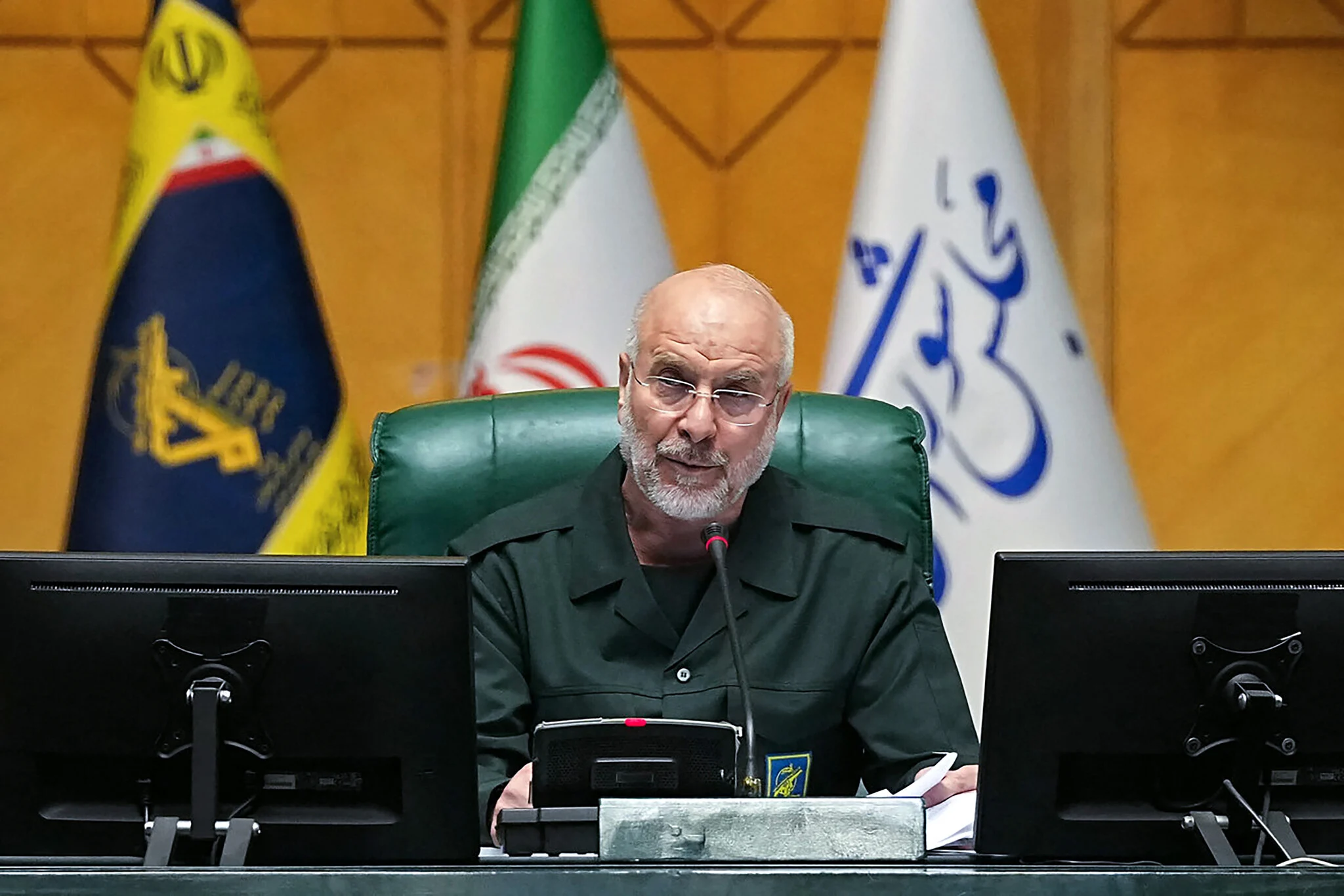
Iran's state broadcaster face sharp internal criticism after abruptly interrupting a pre-recorded interview with Mohammad Bagher Ghalibaf, the country’s parliament speaker and chief negotiator in ongoing talks with the United States.
The incident has laid bare deep-seated domestic fractures over a recently signed Memorandum of Understanding (MoU) aimed at ending a major regional conflict.
The parliament media centre issued a formal statement expressing strong disapproval of the broadcaster's actions. According to officials, the recorded discussion had been delivered to the Islamic Republic of Iran Broadcasting (IRIB) more than two hours prior to its scheduled airtime.
“Unfortunately, the broadcast of this discussion was stopped in the middle of it,” the statement read, adding that IRIB officials had a duty to coordinate with parliament if they intended to alter standard broadcasting procedures.
Disputed Content and Censor Accusations
While IRIB downplayed the incident, claiming the interview had simply been divided into two parts with the remainder scheduled to air later, parliamentary representatives countered that critical geopolitical topics were selectively omitted from the initial broadcast.
According to the media centre, the censored segments contained sensitive updates on:
- United Nations nuclear watchdog (IAEA) inspections
- The repatriation of Iran's frozen foreign assets
- A proposed $300 billion international reconstruction credit
The broadcast disruption coincides with intense pushback from Iranian hardliners and conservative lawmakers who argue that the negotiating team made premature concessions to Washington.
Public opposition has grown highly confrontational; last month, a state TV presenter openly called for the closure of Tehran’s Mehrabad Airport to physically block the Iranian diplomatic delegation from traveling to Switzerland for talks.
The Debate Over Economic Gains
A central point of contention among domestic critics is the reopening of the strategic Strait of Hormuz. Hardline factions claim Tehran hastily restored maritime traffic through the vital economic chokepoint without securing tangible, reciprocal benefits from the United States under the current MoU framework.
Before the broadcast was terminated, Ghalibaf strongly defended the administration's diplomatic strategy, pointing to an immediate economic turnaround following the lifting of the U.S. naval embargo.
The political fallout comes at a delicate moment for Iranian diplomacy, as lower-level representatives from both Washington and Tehran continue separate technical discussions in Doha, Qatar, to finalize the implementation details of the broader peace accord.
1 hour ago