KRG Customs Revenues Exceed 9.5 Trillion Dinars Amid Sweeping Border Reforms
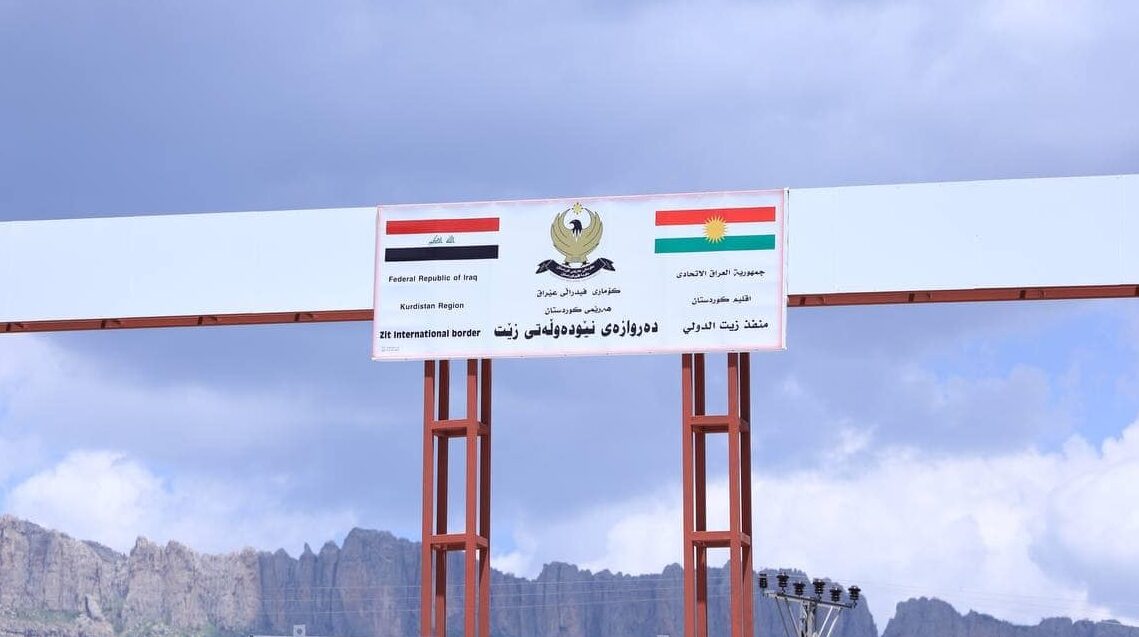
The Ministry of Finance and Economy of the caretaker Kurdistan Regional Government (KRG) announced that customs and border crossing revenues exceeded 9.5 trillion Iraqi Dinars (IQD) between 2019 and the end of 2025. The Ministry noted that KRG officials are currently working alongside the Iraqi federal government to deploy the automated ASYCUDA customs system across all regional border crossings.
According to a ministry statement released on Wednesday, recent customs and border control reforms have successfully boosted commercial activity, cut bureaucratic red tape, and enhanced transparency, significantly driving up revenues over the past seven years.
Erbil and Baghdad Advance Talks to Unify Customs System
The ministry stressed that current talks between the KRG and the federal government are “to organize and unify customs and transit work across all of Iraq under one single, unified system.”
The KRG and Iraqi federal officials met in Baghdad on Monday to address the ASYCUDA system and remaining issues. KRG Finance Minister Awat Janab Noori and Federal Finance Minister Faleh al-Sari led the high-level economic talks.
The Iraqi Ministerial Council for the Economy announced plans to dispatch a delegation to Kurdistan Region border crossings following an agreement to submit joint revenue collection proposals to the Federal Cabinet for final approval.
The council confirmed that the approved framework will be implemented across all regional border points immediately after cabinet ratification.
KRG Ministry of Finance Implements Extensive Reforms
The ministry further stated that extensive structural reforms have been implemented across regional customs directorates and border checkpoints over the past few years to streamline operations and enhance transparency.
These key initiatives include the digitalization of major border crossings and international airports—such as Ibrahim Khalil, Erbil, and Sulaymaniyah—alongside a collaborative review with the federal government to standardize tariffs and revoke unlawful tax exemptions.
Additionally, a regional transit system has been established to connect trade routes with Turkey, Iran, and Syria, while updated vehicle import regulations were introduced in coordination with the Ministry of Interior.
To secure these supply chains, the Customs Surveillance Directorates in Erbil, Sulaymaniyah, and Duhok have been heavily reactivated to combat smuggling and eliminate legal violations in tandem with the Customs Police.
01/07/2026