Trump to Axios: U.S. Reconciles ‘One Shot’ Option With Strategic Restraint During Funeral Rites
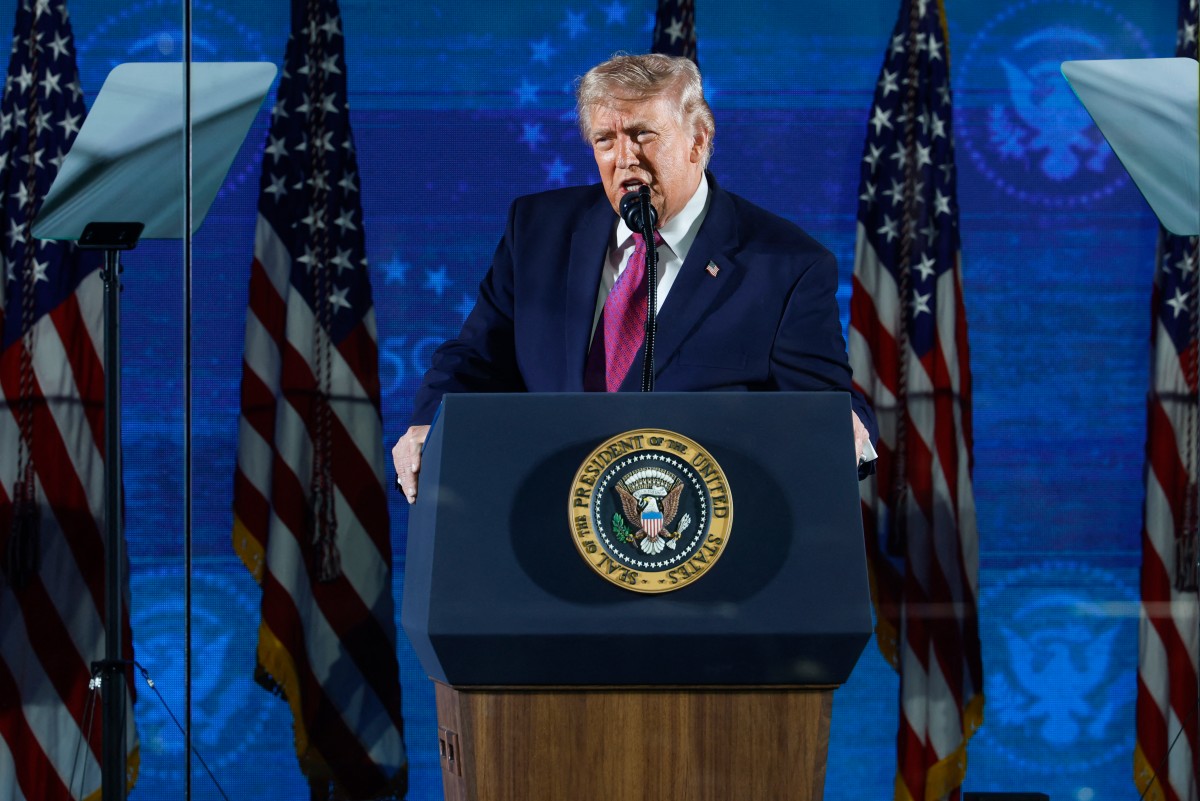
U.S. President Donald Trump announced in an interview with Axios on Saturday that Israeli Prime Minister Benjamin Netanyahu has requested a high-level meeting at the White House, a diplomatic session that could take place as early as next week following the president's return from the upcoming NATO summit in Ankara, Turkey.
"We get along very good. [Netanyahu] knows who the boss is," President Trump told Axios in a brief telephone interview, referring to himself.
The proposed bilateral talks would mark the first face-to-face interaction between the two leaders since a contentious Situation Room meeting in February, during which Netanyahu presented an operational blueprint for a joint military campaign against Iran.
Scheduling Contradictions and Strategic Rifts
While President Trump indicated a willingness to convene the session immediately after his international travel, an Israeli government official suggested next week may prove logistically unfeasible. The official cited the president's attendance at the NATO summit, scheduled for July 7-8 in Ankara, indicating that the White House meeting would more likely occur the following week.
The planned diplomatic encounter arrives amid deep political skepticism within the U.S. administration regarding Israel's strategic path.
- Advisory Disillusionment: Senior U.S. officials report that close advisers within the Trump administration believe Netanyahu has fundamentally miscalculated key components of regional military strategy.
- Lebanese Escalation Tensions: President Trump reportedly expressed sharp private criticism toward Netanyahu last month regarding Israeli military operations in Lebanon, characterized by administration sources as a source of significant bilateral friction.
- Domestic Conservative Fractures: The strategic divergence has aggravated a broader policy divide among congressional Republicans and prominent conservative commentators regarding the scope of U.S. commitments to Netanyahu's war aims.
Diverging Foreign Policy Objectives
The upcoming meeting highlights an escalating policy split between Washington and Jerusalem over the broader architecture of Middle Eastern security. Despite explicit objections from the Israeli government, President Trump signed a memorandum of understanding last month extending a ceasefire with Iran and opening fresh channels for nuclear negotiations.
Concurrently, the White House has increased diplomatic pressure on Netanyahu to curtail Israel Defense Forces operations in southern Lebanon. U.S. mediators view the cessation of hostilities in Lebanon as a critical prerequisite to stabilizing the broader Iranian diplomatic track, urging Israel to sign a framework accord mandating an initial troop withdrawal from the southern border zone. For Netanyahu, a high-profile White House appearance remains a critical domestic asset as he enters a challenging campaign cycle for Israel's upcoming October general elections, where current polling shows his coalition trailing.
De-escalation During Iranian Funeral Rites
In his statement to Axios, President Trump confirmed that formal diplomatic contacts are currently observing a temporary pause aligned with the state funeral of former Iranian Supreme Leader Ali Khamenei, who was assassinated in a joint U.S.-Israeli operation at the onset of the war.
According to the president, Iranian negotiators have expressed a strong desire to formalize a comprehensive diplomatic agreement. Both Washington and Tehran have agreed to a localized pause in hostilities, establishing a temporary operational freeze until the multi-day funeral ceremonies conclude in Iran and Iraq.
President Trump claimed the Iranians "are begging to make a deal," noting that the temporary cessation of fire was explicitly designed to safeguard the diplomatic track. "They are all there. One shot [and we can take them all out], but we are not going to do that because then we would have nobody to negotiate with," Trump said, referencing the concentration of Iranian leadership at the funeral venues.
The president also commented on the public reaction inside Iran, expressing surprise at the displays of grief during the broadcasted ceremonies, stating he believed the population harbored deep animosity toward the deceased leader. "Maybe it's fake tears," Trump mused.
2 hours ago