Iraq's 2026 Budget: Government May Rely on Financial Management Law for Public Spending
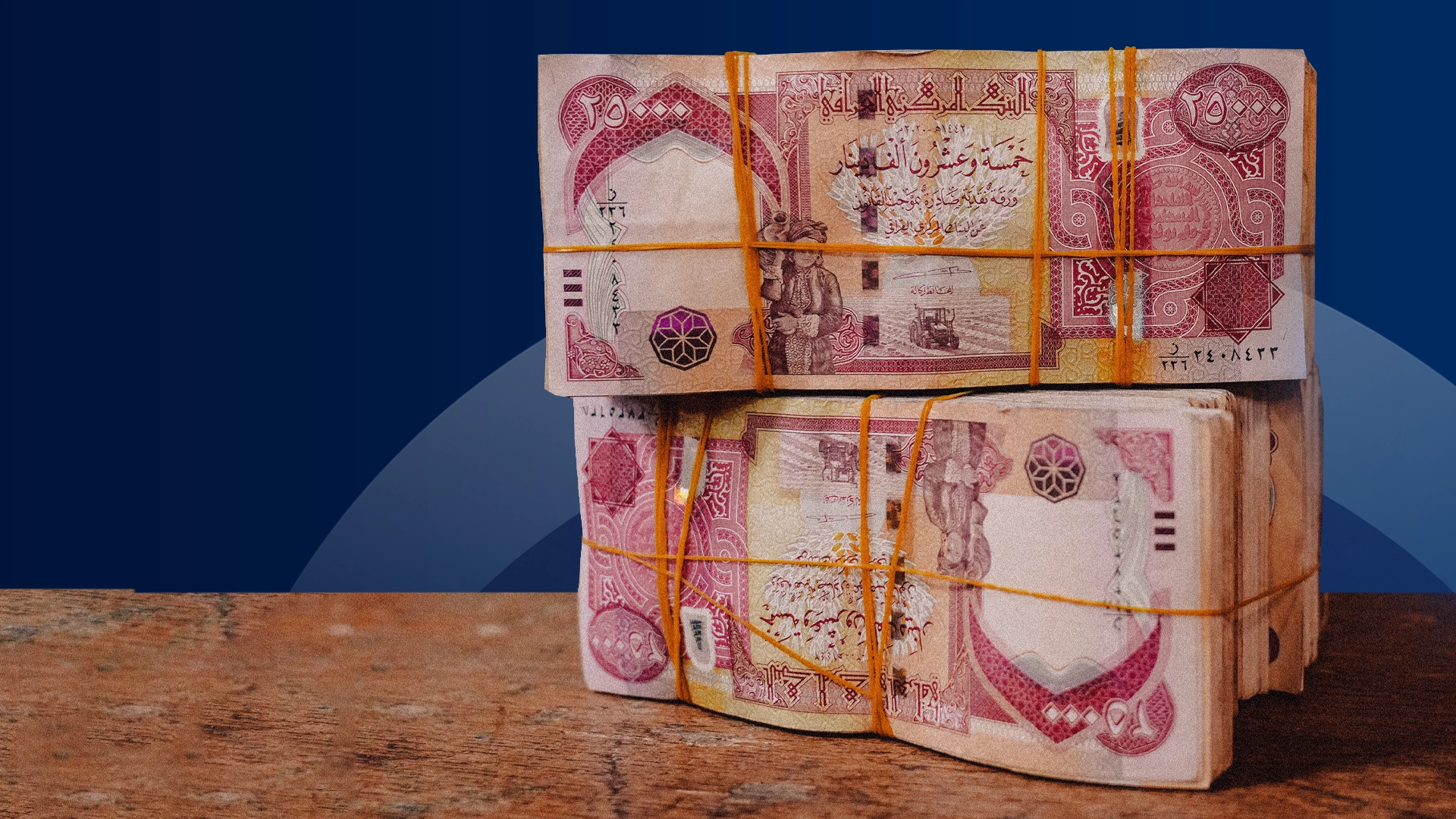
Iraq's 2026 federal budget is facing mounting economic and financial challenges, raising the possibility that the country could enter the new fiscal year without an approved budget law, similar to previous periods of political deadlock.
Government May Resort to the 1/12th Spending Mechanism
If the 2026 Budget Law is not approved, the Iraqi government is expected to rely on the Federal Financial Management Law to finance public spending.
Under the law, the government is permitted to make monthly operational expenditures equivalent to one-twelfth of the allocations recorded in the 2025 budget to ensure the continuity of state operations and public services.
This would not be unprecedented. Between 2006 and 2025, Iraq operated without an approved budget during three fiscal years, 2014, 2020, and 2022, and relied on the same temporary mechanism to manage public finances.
Falling Oil Prices Pose Fiscal Risks
Using the previous year's budget as the basis for spending presents significant financial risks, as the 2025 budget was built on an assumed oil price of $70 per barrel.
Economic forecasts indicate that if global crude oil prices remain below $65 per barrel, Iraq's fiscal deficit could widen considerably.
This comes as the country continues to face substantial international financial obligations and debt repayments.
Oil Dependence and Salary Commitments
Iraq's economy remains heavily dependent on oil, with oil revenues accounting for between 88% and 90% of total government income and approximately 65% of the country's Gross Domestic Product (GDP).
This reliance leaves the economy highly exposed to fluctuations in global oil markets.
To cover the salaries of civil servants, public employees, and pensioners, the government requires more than 60 trillion Iraqi dinars annually, making payroll financing one of the main financial challenges facing Prime Minister Ali Faleh Al-Zaidi's government in 2026.
Calls for Structural Economic Reform
Financial experts say the 2026 fiscal year requires comprehensive structural reforms and proactive economic policies.
They argue that long-standing weaknesses in Iraq's economic model continue to limit the government's ability to maintain long-term financial stability.
As a result, any expansion of the fiscal deficit could quickly affect public services and other essential government expenditures.