Iraq to Adopt Performance-Based Budgeting for the 2027 Fiscal Year
The Iraqi government has decided to overhaul its national budgeting system beginning with the 2027 fiscal year, aiming to improve financial transparency and link government spending directly to measurable performance and results.
Government Begins Preparing the 2027 Budget
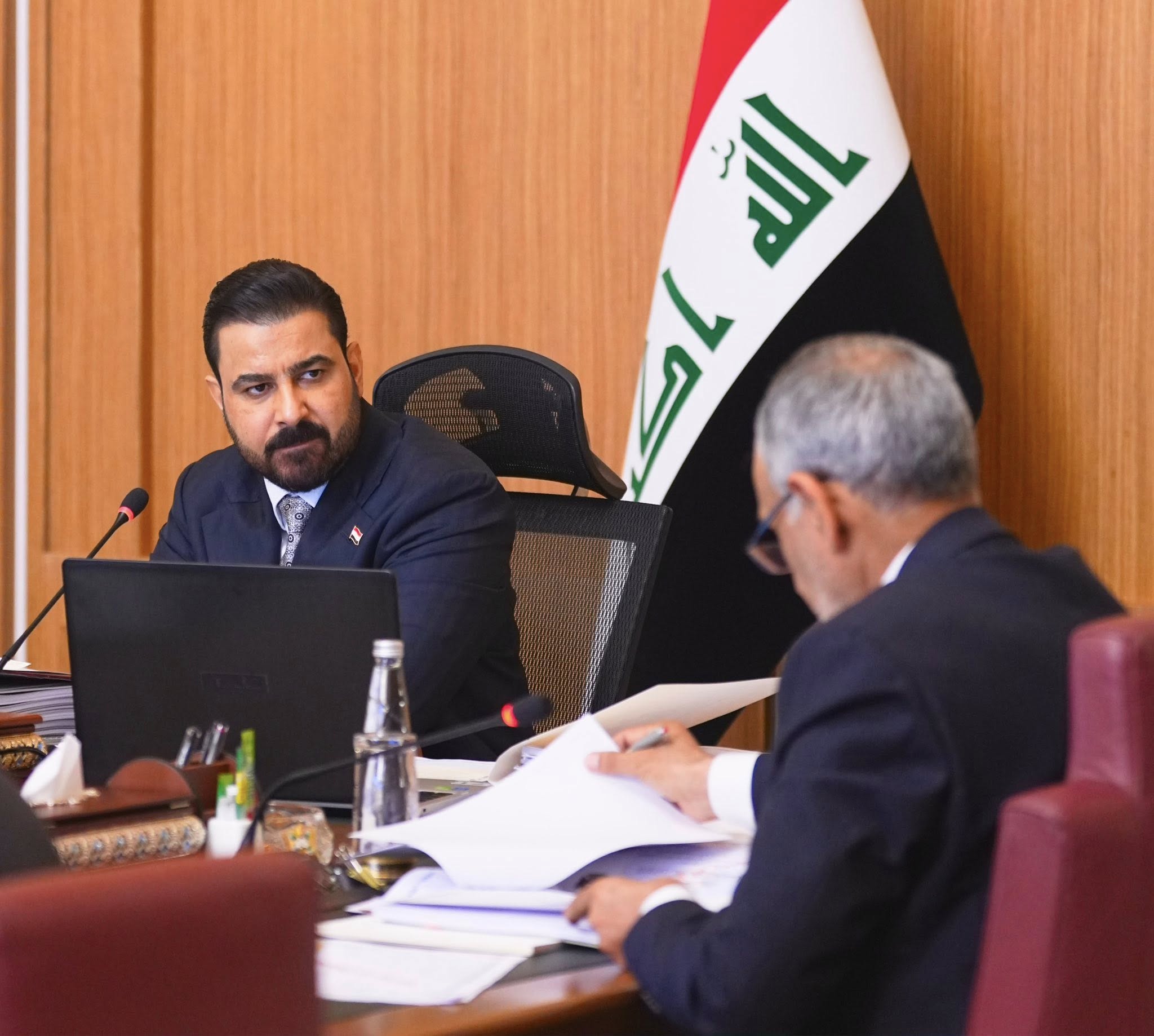
During a cabinet meeting, Prime Minister Ali Faleh al-Zaidi announced that the government has begun preparations for the 2027 Federal Budget.
As part of the reform, Iraq will move away from its long-standing traditional budgeting model and adopt a Performance and Program-Based Budgeting (PBB) system, marking a major administrative and financial shift.
Objectives of Performance-Based Budgeting
Under the new system, government spending will be evaluated based on predefined goals, measurable indicators, and actual outcomes rather than focusing solely on budget allocations.
The framework includes:
- Program-based structure: Government operations and ministerial budgets will be organized into specialized programs and development projects.
- Key Performance Indicators (KPIs): Standardized performance measures will be introduced across ministries to evaluate the effectiveness, productivity, and results of government programs.
Improving Transparency and Reducing Waste
One of the main objectives of the new budgeting system is to strengthen transparency and institutional accountability.
By linking public spending to measurable development goals, the government aims to reduce waste in public finances and ensure that state expenditures contribute to long-term national development.
Performance-based budgeting is widely used in many developed countries because it provides greater transparency in managing public finances.
Technical and Administrative Challenges
Despite its advantages, implementing a comprehensive performance-based budgeting system in Iraq will present several challenges.
These include:
- Limited specialized expertise: The system requires qualified accountants, financial analysts, and project managers with expertise in performance evaluation.
- High implementation costs: Preparing, implementing, and monitoring the new system will require significant financial and administrative resources.
- Data infrastructure: The transition depends on an integrated and reliable national data system capable of tracking and evaluating government projects and performance indicators.
Moving Beyond the Traditional Budget Model
For decades, Iraq has relied on a traditional line-item budgeting system that allocates spending according to categories such as salaries, operating expenses, rent, and material costs.
While this approach is relatively simple to prepare and monitor from a legal and financial compliance perspective, it does not measure the effectiveness, social impact, or overall performance of government-funded programs.
06/07/2026