Iraq Passes First Reading of 4 Laws, Including Key Bill to Fund Air Defenses
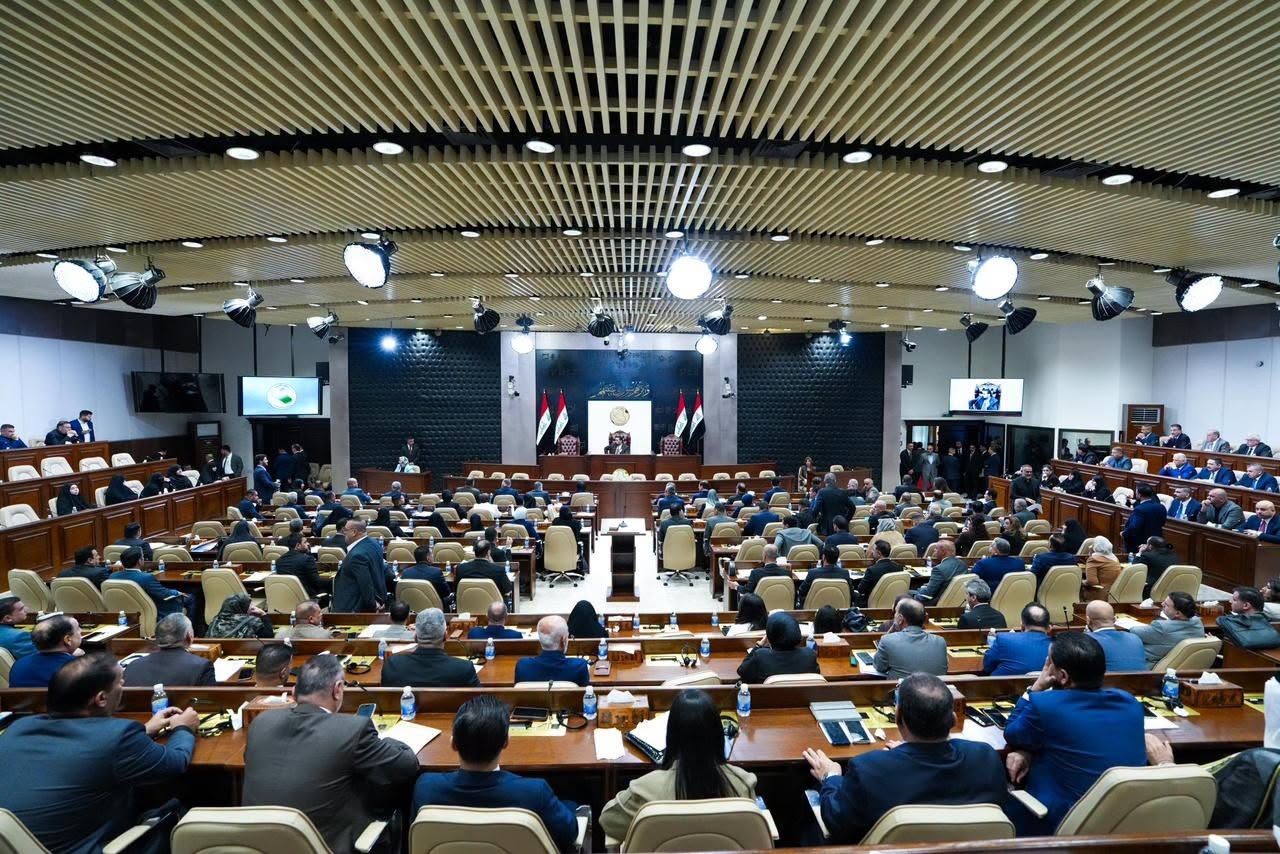
The Iraqi Council of Representatives concluded the first reading of four proposed laws, including a crucial bill designed to fund and enhance national air defense systems against evolving threats like drones and missiles.
The Iraqi Council of Representatives convened the first session of its second legislative term on Monday, completing the first reading of four key pieces of legislation.
Chaired by Speaker Haibat al-Halbousi, the parliament reviewed the Information Technology Crimes Law, an amendment to the Care of Minors Law, updates to the Legal Profession Act, and a new funding bill for national air defense systems.
The proposed laws establish punishments for digital crimes to protect data privacy and national security, while updating minor care regulations to protect children's savings from inflation.
Additionally, the legislative package modernizes the legal profession by launching a specialized training institute, raising lawyer fees, and boosting legal immunity against workplace threats.
Air Defense Funding Against Evolving Drone and Missile Threats
The law to fund the enhancement of Iraqi air defense systems, submitted by the Security and Defense Committee, according to parliament's statement, stemmed from “the state's constitutional duty to preserve the sovereignty of the Republic of Iraq and protect its airspace.”
The statement noted that the legislation responds directly to rapidly evolving aerial threats, with a specific focus on drones, missiles, and long-range weaponry.
Furthermore, the legislation establishes the requisite legal and financial framework to procure, upgrade, operate, and maintain advanced air defense systems, while concurrently driving local workforce training and technology transfer initiatives.
“This will enhance the readiness of the Iraqi Armed Forces and safeguard national security and sovereignty, without creating any direct financial obligation outside the scope of the federal general budget,” the parliament said.
Iraqi Government Reaffirms Sovereignty Stance
The Iraqi government's ongoing effort to upgrade national airspace security comes amid regional security developments and current gaps in its military capabilities.
The government and Prime Minister Ali al-Zaidi have taken a firm stance, reiterating on various occasions the importance of securing national sovereignty.
Al-Zaidi earlier stated that he directed all security commanders to counter any attempts to utilize Iraqi territory for launching attacks against neighboring countries
1 hour ago