Kurdistan Oil Production Surges to 120,000 Barrels Daily, NOC official Tells Channel8
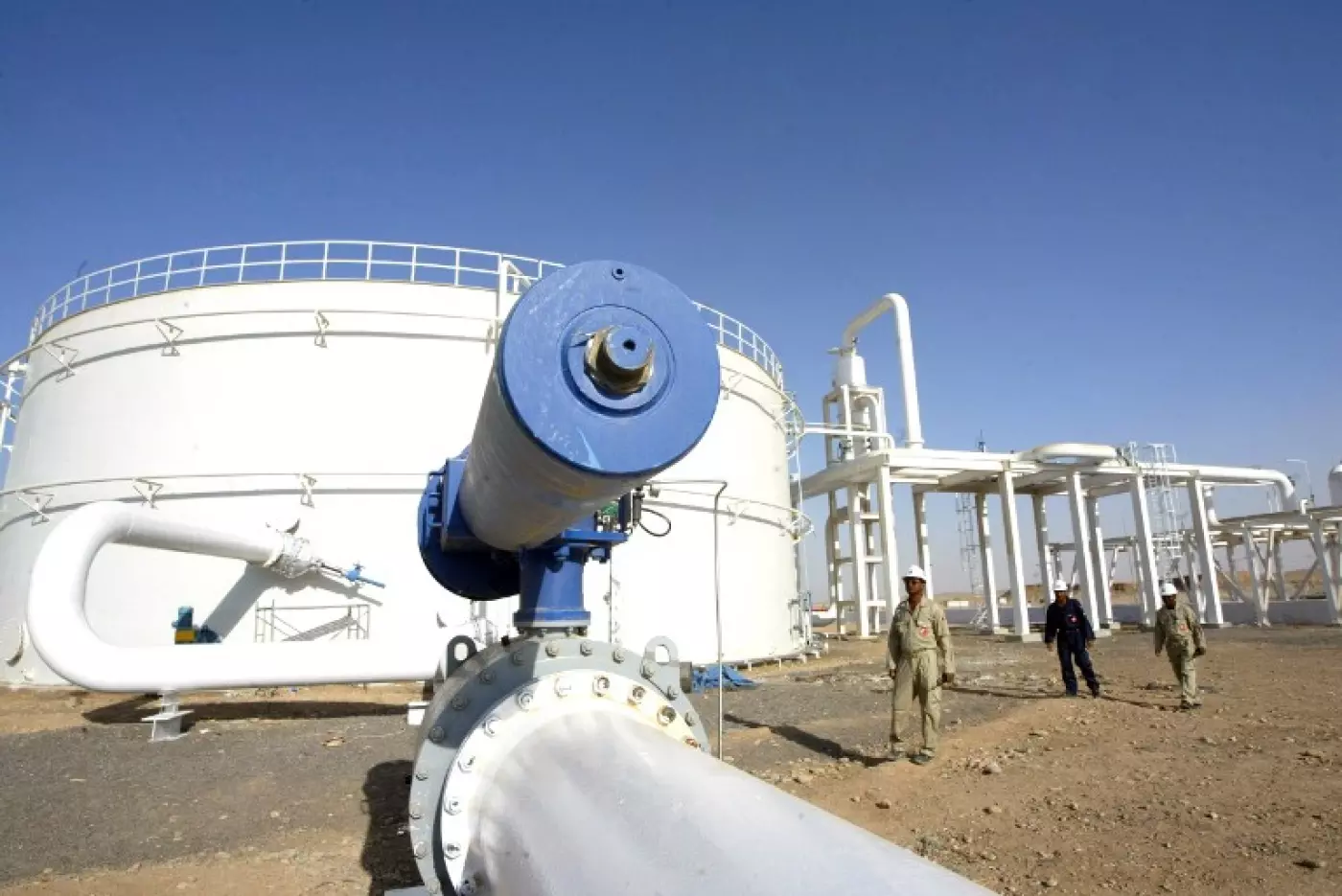
A North Oil Company (NOC) official stated that oil fields in the Kurdistan Region are currently producing 120,000 barrels per day, while daily export volumes have concurrently risen to 70,000 barrels.
Oil fields restarted production late last month. Under an agreement between Erbil and Baghdad, a fixed 50,000 barrels of oil per day will be set aside for domestic fuel consumption, regardless of overall output.
Total Ceyhan Flow Hits 265,000 Barrels Daily
The NOC official told Channel8 that oil exports from the Kurdistan Region through its pipeline network to the Port of Ceyhan have surged from 20,000 to 70,000 barrels per day.
"Total oil exports from the Port of Ceyhan have now reached 265,000 barrels per day," he added.
Additionally, 195,000 barrels per day from the Kirkuk oil fields are currently being exported through the Kurdistan pipeline network.
KRG Officially Notified to Boost Oil Exports
The source emphasized that oil companies are steadily boosting production day by day, with exports projected to reach 120,000 barrels per day by the end of the month.
"The Kurdistan Regional Government has been officially notified that they should restore their export levels to match pre-Iran war averages, which stood at approximately 200,000 barrels per day," he noted.
Iraq Slashes Basra Crude Trucking, Rerouting Flows
The NOC official also revealed that previously, between 90,000 and 95,000 barrels of crude oil were trucked daily from Basra to Kirkuk's K-1 storage facilities, with the vast majority destined for the Baiji refinery.
"However, following the surge in Kurdistan Region oil exports, the volume arriving from Basra has now been scaled back to between 45,000 and 50,000 barrels per day," he highlighted.
He further explained that Iraq aims to increase total oil exports through the Kurdistan Region pipeline to between 375,000 and 400,000 barrels per day.
Under this initiative, 200,000 barrels will be sourced from Kurdistan oil fields, with the remaining volume supplied by the Kirkuk fields.
International Firms Restart Kurdistan Oil Fields
Following the regional conflict involving the United States, Israel, and Iran, oil fields across the Kurdistan Region suspended operations on February 28.
From a reservoir engineering standpoint, these fields cannot instantly return to full capacity, requiring a gradual recovery period to safely restore output to pre-war averages.
During their meeting on June 3, Iraqi Prime Minister Ali Faleh al-Zaidi pledged to secure oil facilities against domestic attacks in exchange for a promise from the Kurdistan Region delegation and energy companies to resume production and boost exports.
This technical transition comes as international operators begin gradually restarting facilities. On June 28, HKN Energy resumed production at the Atrush field. Concurrently, Gulf Keystone Petroleum restarted operations at the Shaikan field, while Norway’s DNO successfully brought the Tawke and Peshkabir fields back online on June 26.
4 hours ago