Global Gas Flaring Surges: UN Warns of Massive Health and Financial Costs with Russia, Iran, and Iraq Leading Emissions
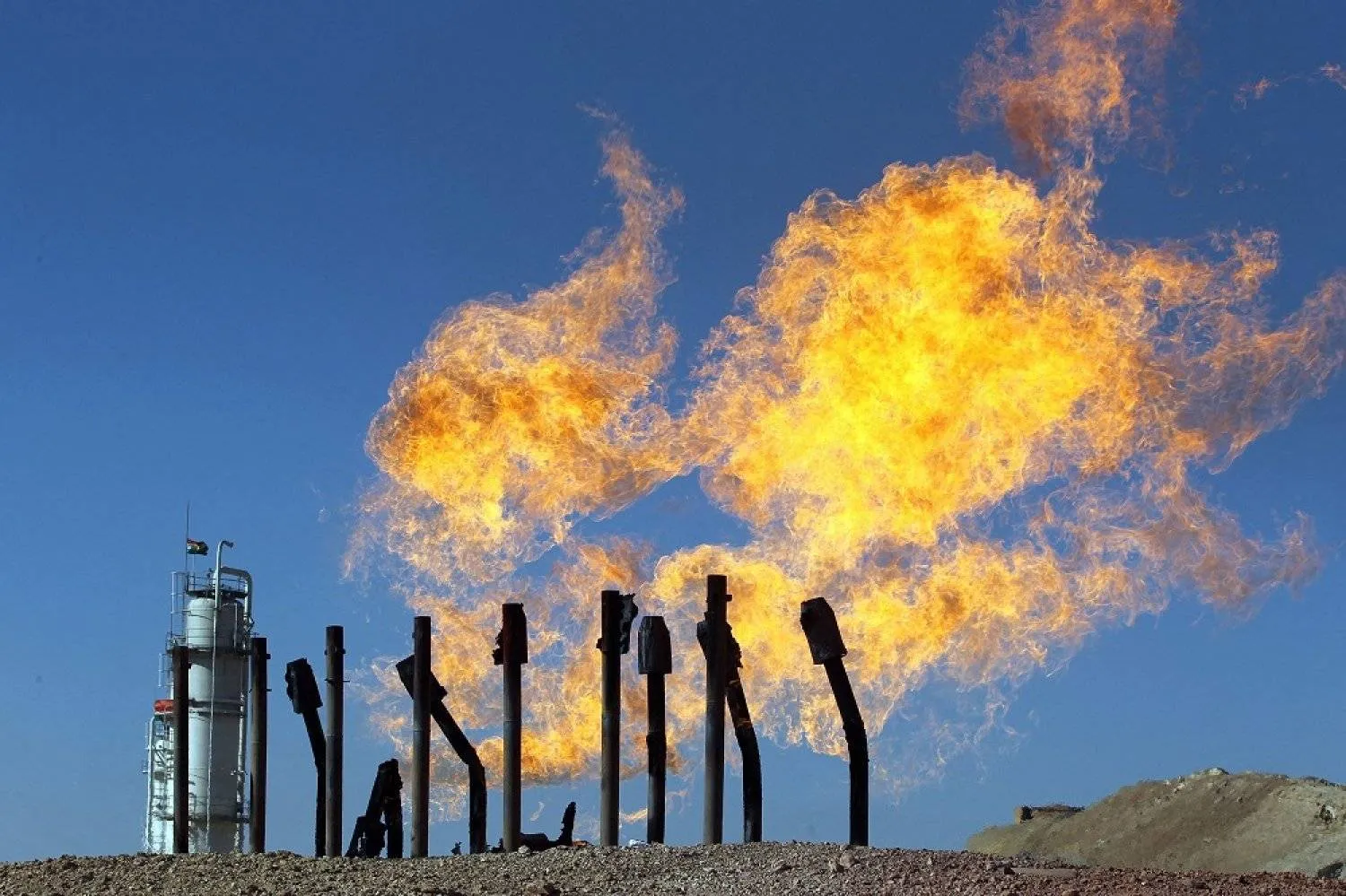
While the world strives to reduce greenhouse gases, a new United Nations report warns of a surge in oil field gas flaring, which has resulted in catastrophic health and financial consequences.
Surge in Global Gas Flaring Levels
According to statistics from the World Bank and the United Nations, the volume of flared gas globally reached 167 billion cubic meters in 2025, marking the highest level recorded in recent years. This process, where associated petroleum gas from oil fields is burned off instead of being captured, wastes billions of dollars in natural resources annually and has a direct, detrimental impact on climate destabilization.
Economic Toll of Wasted Gas
Experts point out that if the volume of gas flared into the atmosphere each year were captured and sold, its value would reach approximately $54 billion. Instead of utilizing this energy for electricity generation, industrial manufacturing, or household needs, it becomes a major source of environmental pollution. This occurs at a time when more than 1 billion people worldwide still lack access to stable energy.
The Threat of Methane and Carbon Dioxide
The report emphasizes that gas flaring does not only mean the emission of millions of tons of carbon dioxide. In many instances, the gas does not burn completely and escapes directly into the atmosphere as uncombusted methane. Methane is one of the most dangerous gases driving global warming, and its short-term impact is several times faster and more harmful than carbon dioxide.
Russia, Iran, and Iraq Lead as Top Polluters
According to the report, Russia, Iran, and Iraq rank at the very top of the list of countries flaring the highest volumes of associated petroleum gas. These three nations alone were responsible for half of the world's total gas flaring last year. The primary reasons for this include weak infrastructure, the absence of gas capture systems, and delayed investments in energy utilization projects.
Iraq Wastes 12,000 Megawatts of Potential Electricity
Between 2012 and 2024, Iraq consistently ranked third globally in gas flaring. Statistics reveal that the volume of gas burned off in Iraqi oil fields could instead generate between 8,000 to 12,000 megawatts of electricity. Furthermore, Iraq’s direct annual economic loss resulting from this phenomenon is estimated to be between $1 billion and $2 billion.
Health and Environmental Impacts
Gas flaring is far more than a technical inefficiency; it severely impacts the health of populations living in areas surrounding oil fields. This phenomenon is a primary driver of regional climate change, causing droughts, water scarcity, and skyrocketing temperatures—vulnerabilities that make Iraq one of the hardest-hit countries in the world.
09/07/2026