European Gas Prices Breach €50 as Qatar Suspends LNG Production Boost Following Tanker Attack
European wholesale natural gas prices have surged above €50 ($57) per megawatt-hour for the first time in a month, following reports that Qatar has suspended plans to rapidly revive liquefied natural gas (LNG) production at its North Field facility.
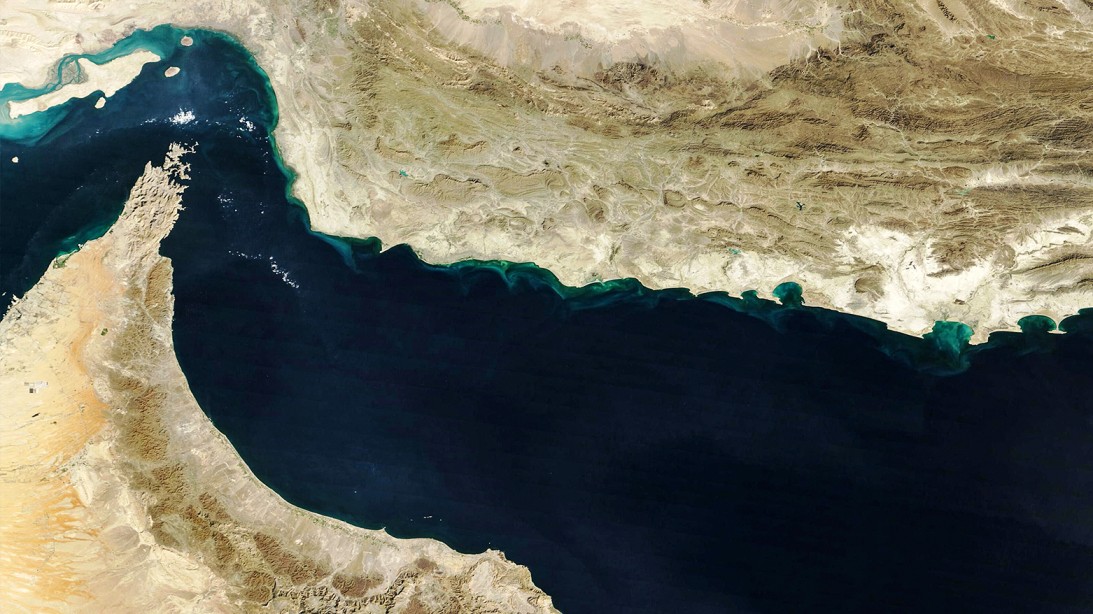
State energy officials in Doha reportedly paused production acceleration after a missile strike targeted the Qatari LNG tanker Al Rekayyat in the Strait of Hormuz earlier this week, signaling that commercial transit through the primary maritime chokepoint remains highly vulnerable despite recent diplomatic efforts.
Gas Benchmarks Hit Post-Truce Highs
The halt in Qatar's production recovery immediately reverberated across continental energy markets, driving benchmark prices to their highest levels since the United States and Iran signed an interim memorandum of understanding on June 17.
- Market Movement: Dutch front-month futures, the European continent's primary gas benchmark, advanced by as much as 2.3 percent during trading before settling 2.0 percent higher at €50 ($57) per megawatt-hour in Amsterdam.
- Options Volatility: The threat of a prolonged supply disruption triggered heavy trading in the options market, where buyers accelerated hedging strategies against potential winter price spikes. Implied volatility indicators rose to their highest levels in 30 days.
Depleted European Storage Inventories
The reduction in anticipated Qatari supply complicates European efforts to replenish energy inventories ahead of the seasonal peak. The ongoing four-month conflict has systematically curbed global LNG flows, approximately one-fifth of which historically transited the Strait of Hormuz.
The regional supply contraction forces European utilities to compete directly with Asian buyers for spot market cargoes amid atypical summer heatwaves. Data from Gas Infrastructure Europe indicates that the continent's subterranean storage facilities are significantly below historical norms:
- European Union Average: Storage sites across the bloc are currently 51 percent full, representing a notable deficit compared to the 65 percent seasonal average.
- Germany: Inventory levels in the continent's largest economy have fallen to just over 43 percent of total capacity.
Projections for Global Supply Deficits
Market analysts suggest that even if diplomatic channels reopen the waterway, the long-term structural damage to global energy supply lines will persist. Commodity researchers note that a return to baseline export volumes from regional producers will be an elongated and incomplete process.
Financial modeling from research firm AlphaValue indicates that depending on the duration of the current maritime standstill, global LNG supplies could experience a net contraction of up to 28 million tons this calendar year. Prior to the outbreak of the US-Israel war with Iran on February 28, industry consensus had projected 42 million tons of supply growth for the same period.
10/07/2026