Iraq's Al Basrah Ranked Most At-Risk City Worldwide in Global Extreme Heat Study
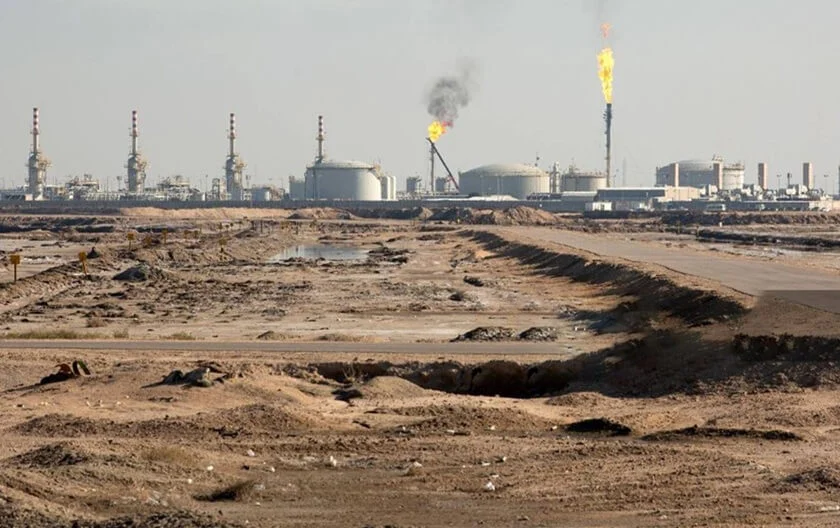
The southern Iraqi city of Al Basrah faces the highest risk from extreme heat of any major urban center on Earth, according to a global analysis of 205 cities with populations over one million.
The study, published in the journal Sustainable Cities and Society, assessed urban areas not just by soaring temperatures, but by how local populations are impacted based on their vulnerability and capacity to cope. Al Basrah topped the global ranking, outranking other severely affected cities such as Ahmedabad, India.
Researchers from the University of Oxford found that Al Basrah’s position at the top of the index is driven by a dangerous intersection of severe temperature exposure and a stark deficit in local coping infrastructure, including limited city-level heat-action planning.
What Drives Urban Heat Risk?
According to the research team, true heat risk is multifaceted. A city can experience extreme temperatures but face lower overall risk if its infrastructure and population are highly resilient. The study evaluated cities using three distinct pillars:
- Hazard Exposure: The severity and duration of actual high temperatures.
- Vulnerability: Demographic and socioeconomic factors that increase susceptibility to heat illnesses, such as average population age and financial means.
- Coping Capacity: Access to protective infrastructure, including reliable air conditioning, stable electricity, and ecological buffers like urban tree cover.
While highly exposed cities like Jeddah (Saudi Arabia) and Bangkok (Thailand) scored lower on the final risk index due to robust coping mechanisms, Al Basrah ranks as the global epicenter for risk because its extreme climate coincides with severe infrastructural and economic constraints.
A Vicious Cycle of Artificial Cooling
The study warns that a reliance on energy-intensive solutions like air conditioning can trap cities in a dangerous feedback loop, accelerating global warming while leaving poorer citizens unprotected.
"In many major cities... extreme heat coincides with high vulnerability and limited coping capacity," said lead author Nethmi Jayaratne Kariyawasam of Oxford’s Smith School of Enterprise and the Environment. "This combination can substantially increase heat risk and, in some cases, have life-threatening consequences."
Co-supervisor Radhika Khosla, an associate professor at Oxford, emphasized that sustainable adaptation needs to prioritize low-energy alternatives. "We must consider a nuanced approach to keeping people safe, sequencing solutions with passive cooling and low-energy technologies such as fans and coolers being the first step," Khosla noted.
Globally, the vast majority of extreme-risk cities are concentrated in South and Southeast Asia and Sub-Saharan Africa, with India, Pakistan, Nigeria, and Ghana hosting the highest total volume of vulnerable metropolises.
10/07/2026