Assets Worth 69 Billion Dinars Linked to Adnan al-Jumaili Seized in Corruption Investigation
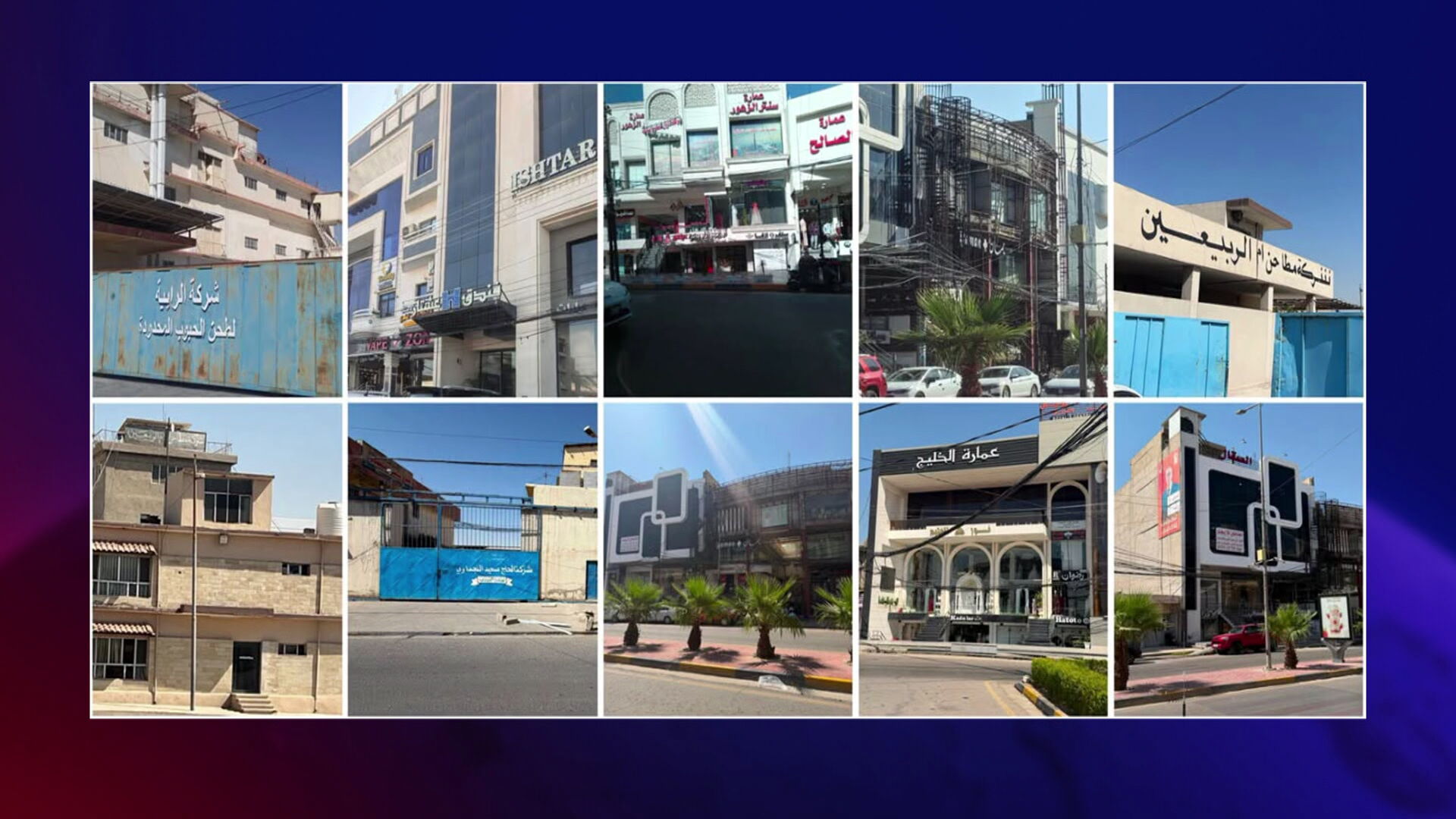
Iraq's Nineveh Investigation Court has seized commercial properties, flour factories, and high-value cargo trucks linked to the Adnan al-Jumaili case as part of an ongoing investigation into money laundering and financial corruption.
According to the court, the assets were registered under the names of workers to conceal their illicit origins and evade legal scrutiny.
Commercial Properties, Factories, and Trucks Seized
The Nineveh Investigation Court specializing in integrity cases announced that, based on judicial rulings and ongoing investigations into Adnan al-Jumaili and other individuals implicated in money laundering and financial corruption, authorities have seized nine commercial properties and three flour production factories in the city of Mosul.
The court said the total market value of the seized properties and factories is 69 billion Iraqi dinars. In addition, seven modern cargo trucks, each valued at $200,000, were confiscated, bringing their combined value to $1.4 million.
Breakdown of the Assets' Value
According to the Nineveh Investigation Court, the commercial properties located in central Mosul are valued at approximately 45 billion Iraqi dinars, while the three flour factories are estimated to be worth 24 billion Iraqi dinars.
The court said the suspects used deceptive methods to conceal the assets by registering the properties and vehicles under the names of workers employed by them.
According to the court, this was intended to mislead investigators, conceal the illicit source of the funds, and evade the relevant legal authorities.
Judicial Receivership to Preserve Revenue
The Nineveh Investigation Court stated that the seized properties and factories are productive and continue to generate revenue.
To preserve their value and ensure continued operations, the court decided to place the assets under judicial receivership, allowing them to remain operational while their revenues are managed and secured under judicial supervision.