Multi-Billion Dollar KRG Contracts and Taxes At Risk as Federal Court Reviews Caretaker Status
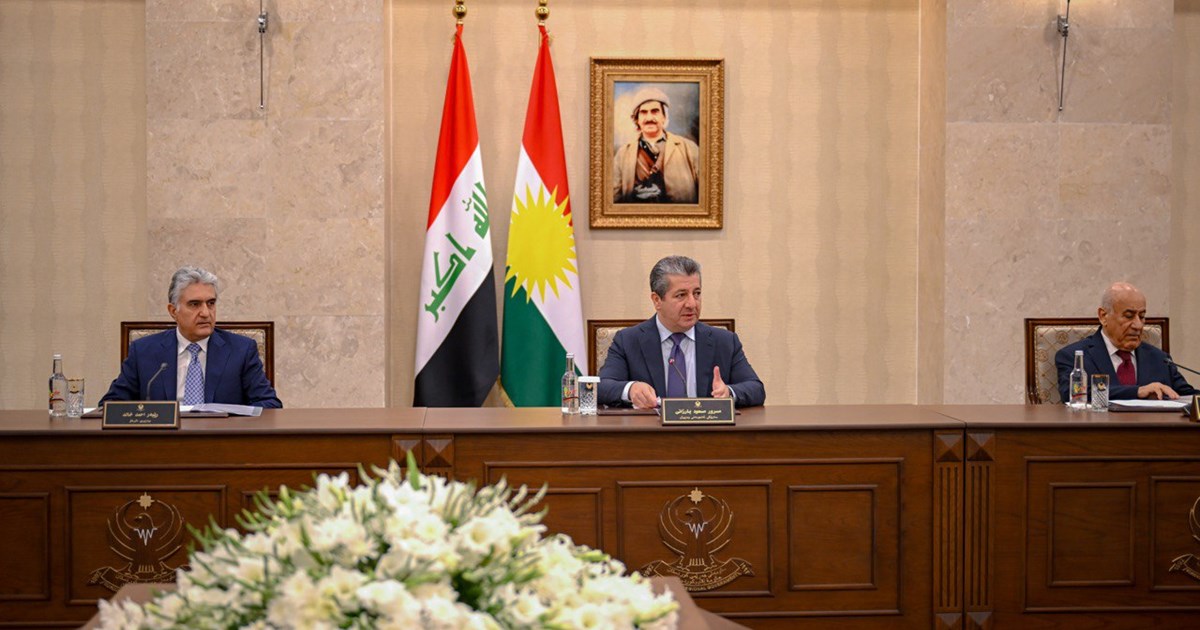
The New Generation Movement has filed a formal lawsuit with the Federal Supreme Court of Iraq challenging the legal legitimacy of the Kurdistan Regional Government's (KRG) ninth cabinet, aiming to retroactively strip the regional executive of its full governing authority and nullify all official decrees issued beyond its statutory four-year mandate.
Judicial Mandate Challenge
The litigation, filed officially on July 9, 2026, demands that the federal judiciary reclassify the current KRG administration as a strictly limited caretaker government. The plaintiff petition requests the immediate invalidation of all decisions, ministerial decrees, and executive directives enacted after the theoretical expiration of the cabinet's constitutional term. Key pillars of the legal challenge note that the ninth cabinet secured its initial parliamentary vote of confidence on July 10, 2019, meaning its statutory four-year governing mandate expired under constitutional guidelines on July 10, 2023. The opposition movement maintains that any actions taken past that date lack the constitutional legitimacy required for binding state policy.
Financial and Contractual Vulnerabilities
Under Iraqi administrative law, caretaker administrations are restricted to managing routine daily operations and are barred from enacting strategic, long-term, or structural fiscal policies. A judicial ruling in favor of the New Generation Movement would cast significant legal doubt on the KRG's economic framework over the past three years. Potentially impacted fiscal measures include recent hikes in public utility rates, increased electricity tariffs, heightened tax assessments levied on commercial shopkeepers and small businesses, and major public procurement, energy, and infrastructure contracts signed post-July 2023.
Precedent of Federal Judicial Intervention
The Federal Supreme Court of Iraq has established a consistent legal track record of dismantling extended mandates within the semi-autonomous Kurdistan Region. Previous federal rulings include the May 30, 2023, invalidation of the self-legislated extension of the Kurdistan Parliament’s term, the July 16, 2023, de-authorization of the Independent High Electoral Commission of the Kurdistan Region, and the September 24, 2023, dissolution of the region's Provincial Councils due to expired mandates.
Anticipated Judicial Outcomes
Legal analysts monitoring the federal docket outline three potential scenarios for the high court's final ruling. The court could issue a dismissal, rejecting the lawsuit entirely and preserving the status quo of the current KRG cabinet. Alternatively, it could opt for prospective caretaker status, declaring the KRG a caretaker government moving forward but leaving its historical post-2023 decisions intact to prevent massive administrative disruption. The third and most severe scenario involves full retroactive nullification, where the court reclassifies the government as a caretaker administration and systematically revokes all executive and financial decisions enacted since July 2023, creating significant governance and economic complications for Erbil.
18/07/2026