Uncertainty Mounts Over Iraqi Dinar as Exchange Rate Faces New Risks
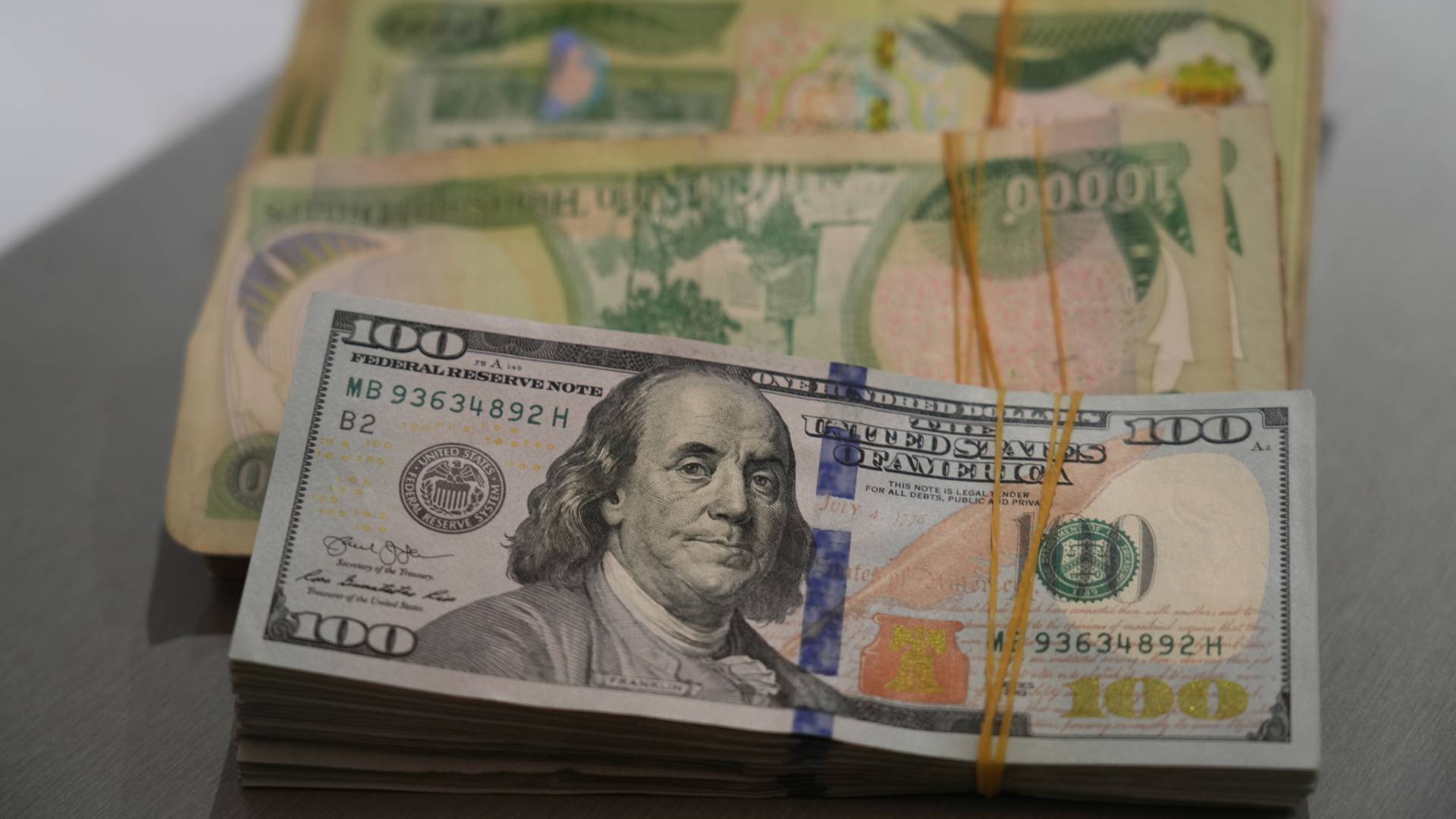
The Iraqi dinar has entered a period of heightened uncertainty following Prime Minister Ali Faleh al-Zaidi's return from Washington. Analysts say its direction will depend on the implementation of recent economic agreements, developments surrounding the Strait of Hormuz, and Iraq's internal security situation.
Washington Agreements and the Development Fund
During his meeting with U.S. President Donald Trump, Iraqi Prime Minister Ali Faleh al-Zaidi announced that U.S. military forces will withdraw from Iraq on September 30 this year, marking what he described as the beginning of a commercial partnership phase.
To guarantee the financial entitlements of American companies, a special fund will be established. A portion of Iraq's daily oil revenue will be allocated to this fund to finance companies investing in the country.
Strait of Hormuz and the 2027 Budget
The prolonged closure of the Strait of Hormuz is considered one of the main risks facing the Iraqi dinar.
If the strategic waterway remains closed, drafting Iraq's 2027 federal budget could become extremely difficult. Under such circumstances, the government may be unable to prepare the budget based on the current exchange rate, resulting in a wider fiscal deficit.
This scenario could prompt the Central Bank of Iraq to devalue the dinar against the U.S. dollar by adjusting the official exchange rate to between IQD 1,450 and IQD 1,520 per dollar.
Security Situation and Public Confidence
Another key factor affecting the dinar's value is the government's ability to bring weapons under state control.
If al-Zaidi fails to compel armed groups to disarm by September 30 and Iraq enters a period of internal conflict, public confidence in the dinar could decline sharply, increasing pressure on the currency and the broader economy.
Optimistic Scenario
Under a more favorable scenario, the outlook for the dinar would improve if tensions between the United States and Iran ease, the Strait of Hormuz reopens, and armed groups disarm.
In that case, the entry of American companies to develop new oil wells and increase exports could strengthen the dinar and contribute to greater market stability.
Exchange Rate Forecast
Forecasts suggest that the exchange rate could fluctuate between IQD 151,000 and IQD 155,000 per $100 from now until September 30.
However, if regional conflict continues and domestic security tensions worsen, analysts warn that the exchange rate could exceed IQD 160,000 per $100, placing the Iraqi dinar under severe pressure.
18/07/2026