Al-Zaidi's U.S. Tour Recap: Key Meetings and Strategic Agreements
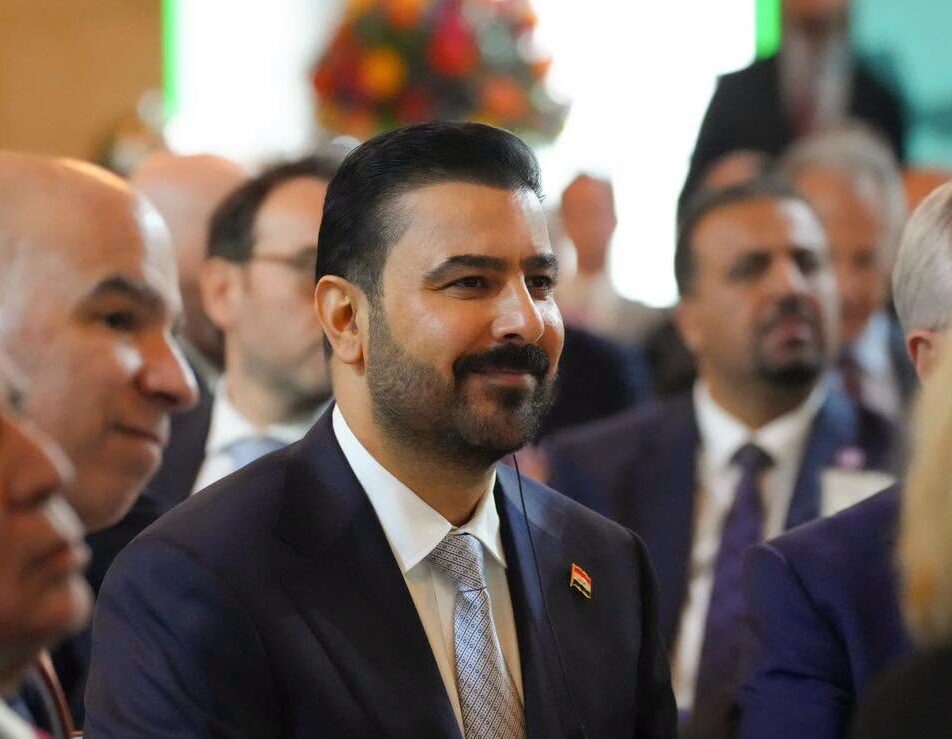
Iraqi Prime Minister Ali Faleh al-Zaidi and a high-level government delegation have concluded a pivotal five-day official visit to the United States. The diplomatic mission successfully initiated a comprehensive, diversified economic partnership designed to modernize Iraq’s financial infrastructure, attract foreign capital, revitalize the domestic labor market, and expand national revenue streams beyond oil.
Al-Zaidi arrived in Washington, D.C., from July 13 to July 18, where he met with U.S. President Donald Trump, congressional leaders, and cabinet officials.
Central to the visit’s outcomes was the signing of 48 agreements, memoranda of understanding (MoUs), and strategic economic arrangements between Iraqi public and private sector entities and leading U.S. oil, industrial, technology, and financial institutions.
According to Prime Minister Advisor Mudhar Muhammad Salih, the value of agreements signed between Iraq and U.S. companies has reached $60 billion.
White House Talks and Strategic Security Alignment
The visit commenced in Washington with high-level bilateral talks at the White House between al-Zaidi and Trump. The two leaders agreed to establish a comprehensive strategic economic partnership to deepen bilateral ties.
Following these discussions, al-Zaidi received Trump’s Special Envoy, Ambassador Tom Barrack.
On security and defense, the Iraqi delegation visited the U.S. Department of War to hold talks on bilateral military relations, culminating in an agreement to further strengthen joint intelligence cooperation.
Parliamentary security ties were also reinforced during meetings with members of the U.S. Senate Armed Services Committee, including Senator Ted Budd and Senator Tim Sheehy.
Financial Reforms and Global Banking Integration
To advance domestic banking sector modernization, Prime Minister met with the U.S. Secretary of the Treasury.
A major breakthrough was achieved under the Prime Minister's sponsorship, as the Central Bank of Iraq and the U.S. Department of the Treasury finalized an agreement to restore seven Iraqi commercial banks to international foreign correspondent banking channels.
Al-Zaidi also engaged with international financial institutions to broaden development partnerships. High-level talks were held with World Bank President Ajay Banga, International Finance Corporation (IFC) Managing Director Makhtar Diop, and International Monetary Fund (IMF) Managing Director Kristalina Georgieva.
Additionally, discussions on expanding digital economy financing were held with the Chief Executive Officer of the U.S. International Development Finance Corporation (DFC), alongside a separate meeting with representatives from JPMorgan.
Congressional Engagement and Regional Diplomacy
While in Washington, the Prime Minister conducted extensive outreach across the U.S. Capitol, visiting both the Senate and the House of Representatives. Key legislative meetings included:
- A meeting with Speaker of the House Mike Johnson.
- Discussions with Senator Jim Risch, Chairman of the Senate Foreign Relations Committee.
- Talks with Senator Roger Wicker, Chairman of the Senate Armed Services Committee.
- A briefing with the House Foreign Affairs Committee and a review of bilateral milestones with a panel of former U.S. ambassadors to Iraq.
On the sidelines of his Washington engagements, al-Zaidi received the Jordanian Minister of Foreign Affairs at his residence, accepting an official invitation from His Majesty King Abdullah II to visit the Hashemite Kingdom of Jordan.
Houston Energy Summit and New Export Pipelines
The delegation later traveled to Houston, Texas, the hub of global energy operations, where Prime Minister met with U.S. Secretary of Energy Christopher Wright to discuss production and refining capacity enhancements.
In a significant geopolitical development for regional energy routing, the Prime Minister sponsored the signing of a cross-border MoU between the Iraqi Ministry of Oil and Syrian authorities.
The agreement lays the groundwork for constructing a new crude oil export pipeline through Syrian territory to the Mediterranean Sea, offering Iraq a vital new western export corridor.
Furthering energy sector development, the Prime Minister held high-impact corporate meetings with global oil majors and oilfield service providers, including:
- Executive leadership at Chevron Corporation and ExxonMobil.
- Representatives from the BP–ConocoPhillips consortium and Excelerate Energy.
- Oilfield service leaders from Halliburton, Baker Hughes, Honeywell, KBR, and Weatherford to discuss localized public-private sector development.
Infrastructure, Big Tech, and Commercial Partnerships
During the Economic and Investment Dialogue Forum in Houston, organized by the Bilateral Chamber of Commerce, the Iraqi delegation officially announced blueprints for the landmark "Energy City" projects on the Al-Faw Peninsula.
Al-Zaidi also participated in a broad-scale Business Conference hosted by the U.S. Chamber of Commerce, anchoring commercial ties with major technology and infrastructure conglomerates.
Private executive audiences were held with the CEO of Starlink to discuss satellite connectivity, as well as representatives from Google, GE Vernova, HKN Energy, Phontif, and Commerce PLC.
Concluding the tour, Prime Minister met with members of the Iraqi diaspora, expatriate business leaders, global investors, and Iraqi scholarship students studying across various U.S. states to emphasize their role in the country’s ongoing economic transformation.
19/07/2026