Major Global Banks Issue Divergent 2027 Gold Price Forecasts
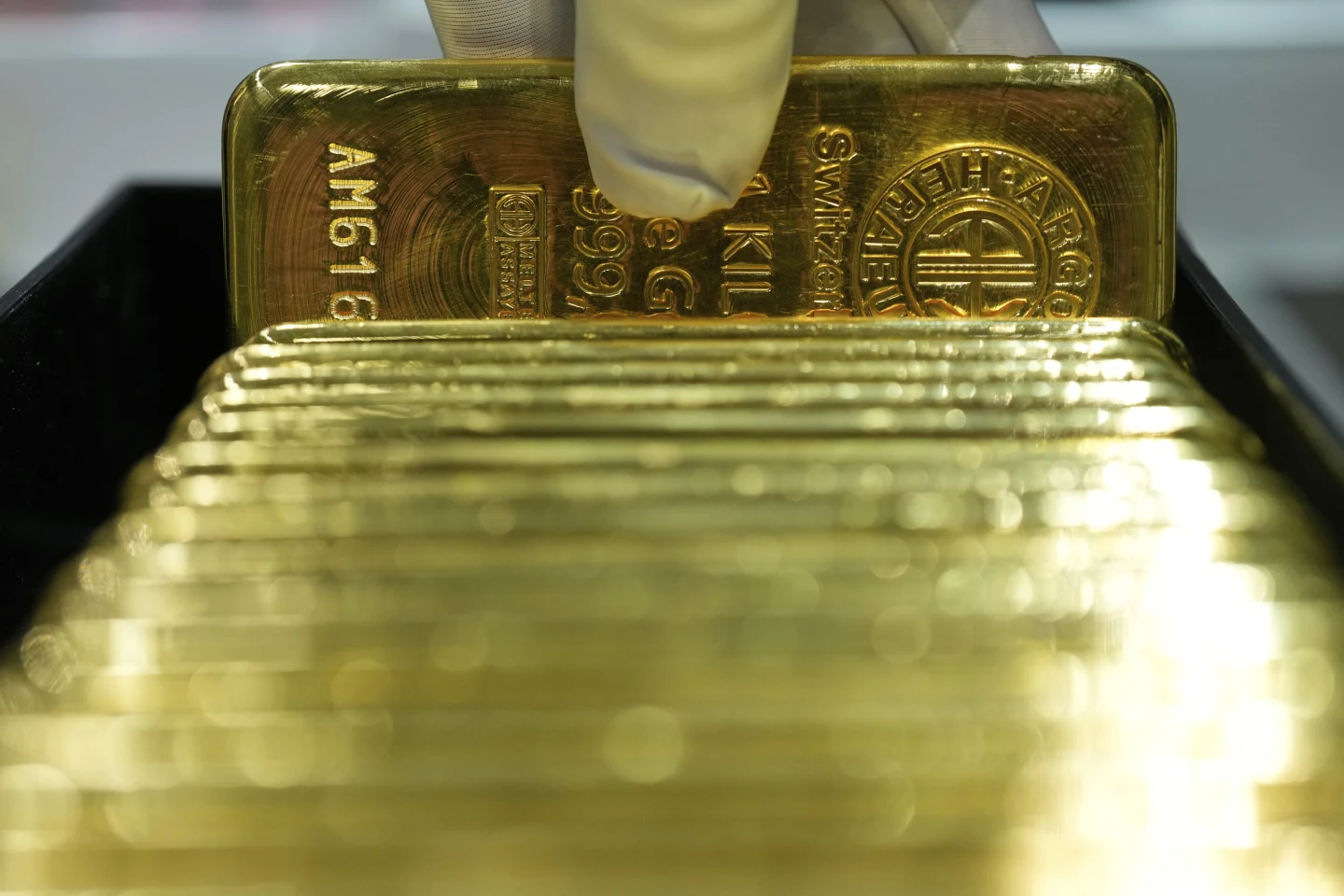
Major international financial centers have released their new gold price forecasts for 2027, revealing a significant divergence among Wall Street institutions regarding the precious metal's trajectory.
The varying projections underline broader disagreements over the long-term impact of macroeconomic trends, monetary policy shifts, and persistent global instability.
Wall Street Divided on Long-Term Targets
The published estimates outline widely differing scenarios for 2027, ranging from conservative expectations to aggressive bull cases. Bank of America holds the most optimistic outlook among major institutions, with analysts projecting gold to trade between $5,000 and $6,000 per ounce while noting that an extreme demand scenario could push prices as high as $8,000. J.P. Morgan analysts also project a significant upward surge, estimating that gold per ounce will reach between $6,200 and $6,300 by late 2027.
By contrast, Goldman Sachs maintains a more conservative view, projecting that gold will stabilize around $5,600 per ounce and is unlikely to exceed the $6,000 threshold. Taking the most cautious stance among its peers, HSBC lowered its price expectations due to prevailing sector conditions, adjusting its 2027 forecast down to $4,925 per ounce.
Geopolitical Warfare Reshapes Forecasting Models
Financial institutions emphasize that traditional modeling has faced heightened disruption as economic warfare and active military conflicts alter key market equations. Unanticipated shocks during the second quarter of this year significantly degraded the accuracy of earlier projections, forcing banks to re-evaluate structural risk and fundamentally altering the long-term forecast landscape.
Here is a comparative breakdown of the 2027 gold price forecasts across the four major financial institutions:
| Financial Institution | 2027 Price Forecast (per oz) | Stance / Market Outlook | Key Drivers & Factors |
| Bank of America | $5,000 – $6,000 (Extreme scenario: up to $8,000) | Highly Bullish | Structural fiscal deficits, Federal Reserve leadership uncertainty, and potential extreme-demand surges. |
| J.P. Morgan | $6,200 – $6,300 | Strongly Bullish | Sustained central bank accumulation, de-dollarization, and long-term inflation hedging. |
| Goldman Sachs | ~$5,600 (Capped below $6,000) | Moderately Bullish | Debasement thesis and normalization of ETF inflows, offset by hawkish central bank policy shifts. |
| HSBC | $4,925 | Conservative / Cautious | Strengthening U.S. dollar, elevated interest rates, and reduced near-term momentum. |
20/07/2026