Iraq Could Recover $30 Billion by Targeting Corruption Kingpins, Lawmaker Says
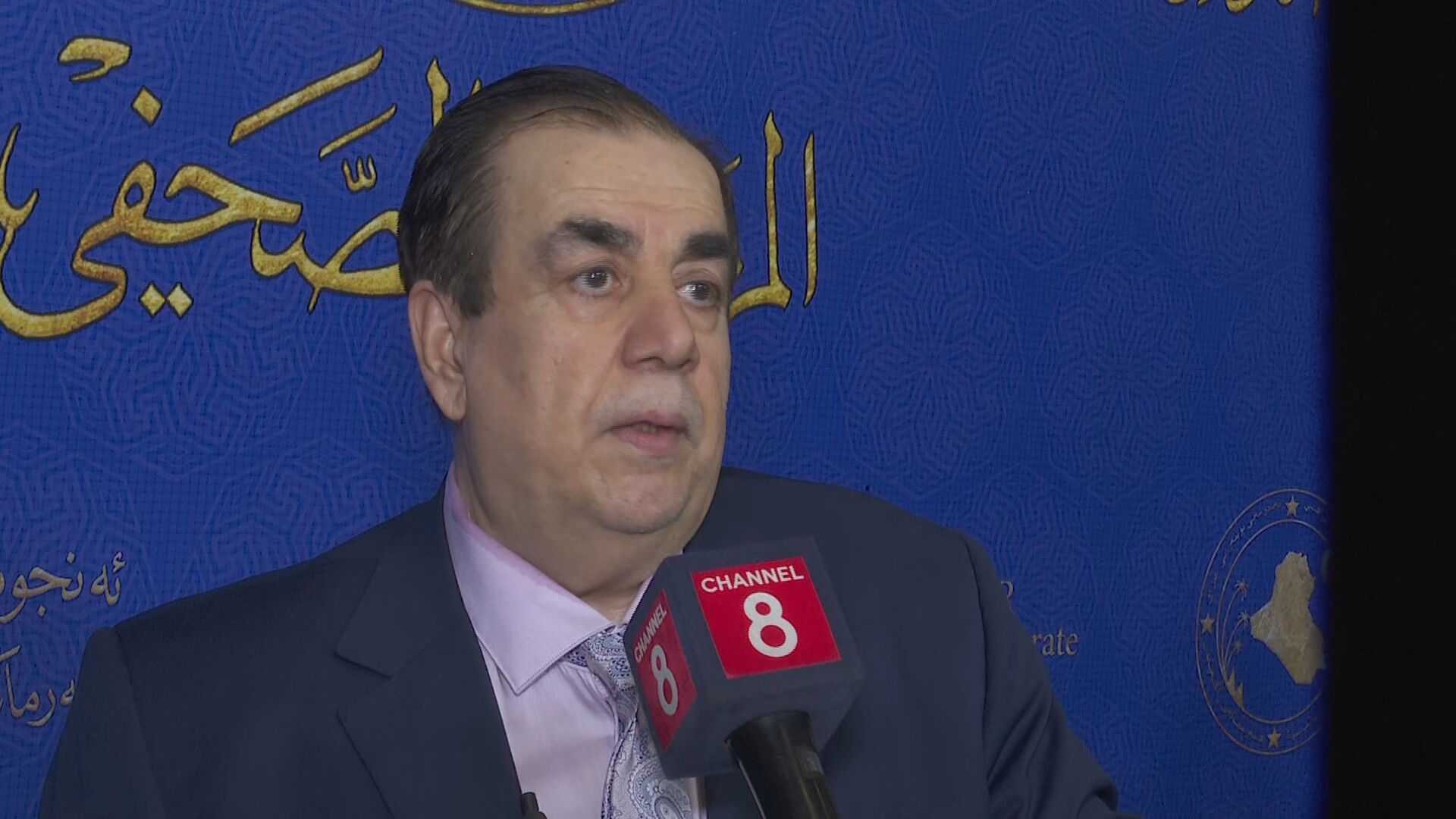
Amer Abduljabbar, a member of the Iraqi Council of Representatives and head of the Fao-Zakho Coalition, stated that if the government manages the asset recovery file properly, it could return more than $30 billion to the state treasury.
Prime Minister Ali al-Zaidi's anti-corruption campaign has led to high-profile arrests of lawmakers and officials across Iraq.
The sweeps have uncovered and seized enormous quantities of unexplained wealth; state authorities have seized millions of dollars in cash hidden inside walls, dozens of properties, vehicles, and hundreds of pounds of gold.
MP Urges Targeting Corruption Kingpins to Finance Budget
Abduljabbar told Channel8 that while al-Zaidi's campaign to arrest corruption suspects is “a good step,” the “kingpins” of corruption still hold much larger sums of money and must be detained.
He revealed that prior to the government's formation, a detailed, comprehensive proposal was submitted to al-Zaidi.
The initiative proposed financing the general budget by recovering stolen assets and eliminating economic waste, rather than burdening Iraq with high-interest foreign loans; however, the government has yet to fully implement the strategy.
Lawmaker: Step-by-Step Actions Needed to Address Past Errors
The lawmaker noted that the current government faces a mountain of accumulated errors from the past, including massive debts, the mismanagement of tax revenues, and the selling of government bonds.
He stressed that the task ahead for this government is difficult and requires a step-by-step approach toward arresting the major corrupt figures to fully stabilize the situation.
Former Oil Ministry Blamed for Halted Exports
Regarding the suspension of oil exports, which significantly impacted Iraq's total revenues, Abduljabbar stated that the current administration inherited this issue from the previous government.
He criticized the former Ministry of Oil for choosing silence over viable, risk-mitigating solutions, which ultimately halted oil exports and forced the current administration to bear the economic burden.
17 hours ago