Iraqi Parliament Pushes Emergency Measures to Fund Salaries Amid Liquidity Crisis
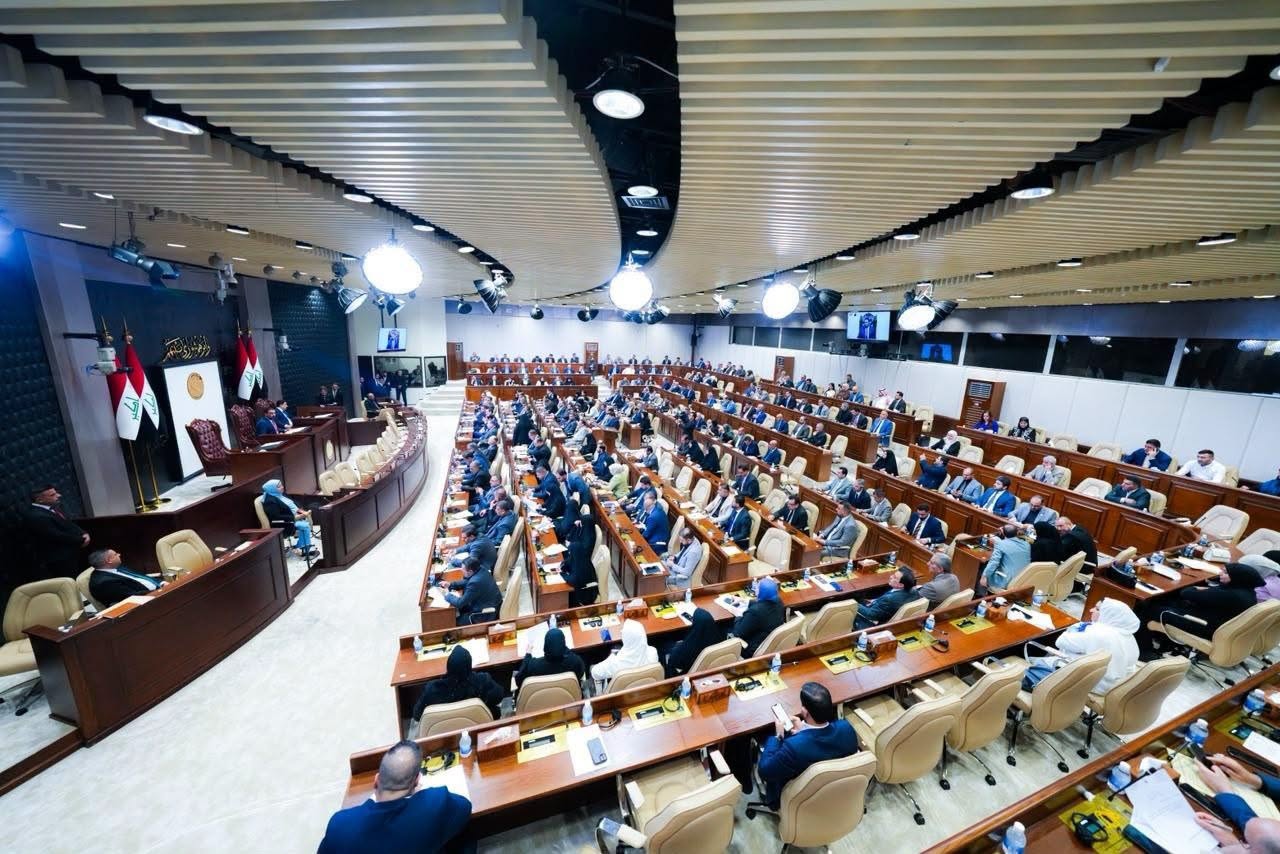
The Iraqi Parliament is preparing a series of draft laws to confront a liquidity crisis and the collapse of oil exports, which include downsizing the public sector workforce and selling state assets.
Because Iraq completely bypassed the 2026 federal budget law due to political delays and drops in oil revenues, the Parliamentary Finance Committee officially pushed this legislation forward.
It serves as a temporary emergency framework to give the government the legal cover it needs to borrow money and keep state salaries running until the 2027 budget is finalized.
Iraq Eyes External Loans to Curb Deficit
According to the draft laws obtained by Channel8, the federal government wants to reduce the budget deficit through external loans.
In this framework, the Minister of Finance has the authority to secure loans up to 2 billion dinars, and the Council of Ministers can approve loans up to 5 billion dinars. If the loan amount exceeds 5 billion dinars, approval from the Iraqi Parliament must be obtained.
Iraq Plummets External Debt From $125B to $14B
Iraq's external debt in 2003 stood at 125 billion dollars, but by 2025 it decreased to 14 billion dollars. Currently, unpaid external debts are only 13 billion dollars.
Meanwhile, an amount of 45 billion dollars is classified as "odious debt" or disputed sums, which are related to financial assistance provided by Gulf countries to Iraq during the war against Iran (1980-1988).
Iraq to Sell State Land to Citizens for Quick Revenue
Another measure to increase liquidity is the sale and transfer of ownership of government lands to citizens.
According to the draft law, buyers must initially pay 50% of the land's value to the state, and after settling the full amount, ownership will be transferred to them. The goal of this step is to generate quick revenue and cover the 2027 budget deficit.
Iraq Eyes 5-Year Unpaid Leave to Downsize Public Sector
The government aims to reduce the burden on the public budget by granting a 5-year unpaid leave. Under this project, arrangements will be made for employees to work in the private sector, and their leave years will be counted toward retirement.
Currently, Iraq has more than 6 million public employees, and a total of 9 million people receive salaries and allowances from the state, making up 45% of total budget expenditures.
Strait of Hormuz Closure Drives Projected 70% Drop in Iraqi Oil
According to economic estimates, Iraq's oil production in 2027 is projected to decrease by 70%. The production level is expected to drop from 4.25 million barrels to 1.5 million barrels.
Also, oil exports are estimated to drop from 3.2 million barrels to less than 1 million barrels, due to the withdrawal of international companies and the closure of the Strait of Hormuz.
Iraq’s Deficit Tactics: Currency Devaluation and Budget Delays
Successive Iraqi governments have adopted several methods to reduce the deficit, including devaluing the dinar against the dollar to increase local currency revenue from oil sales.
Additionally, delaying the approval of the budget until June and July ensures that only 50% of the allocated annual budget is actually spent.
22/07/2026