Congo's Ebola Death Toll Nears 1,000 as Outbreak Spreads Beyond Health Officials' Control
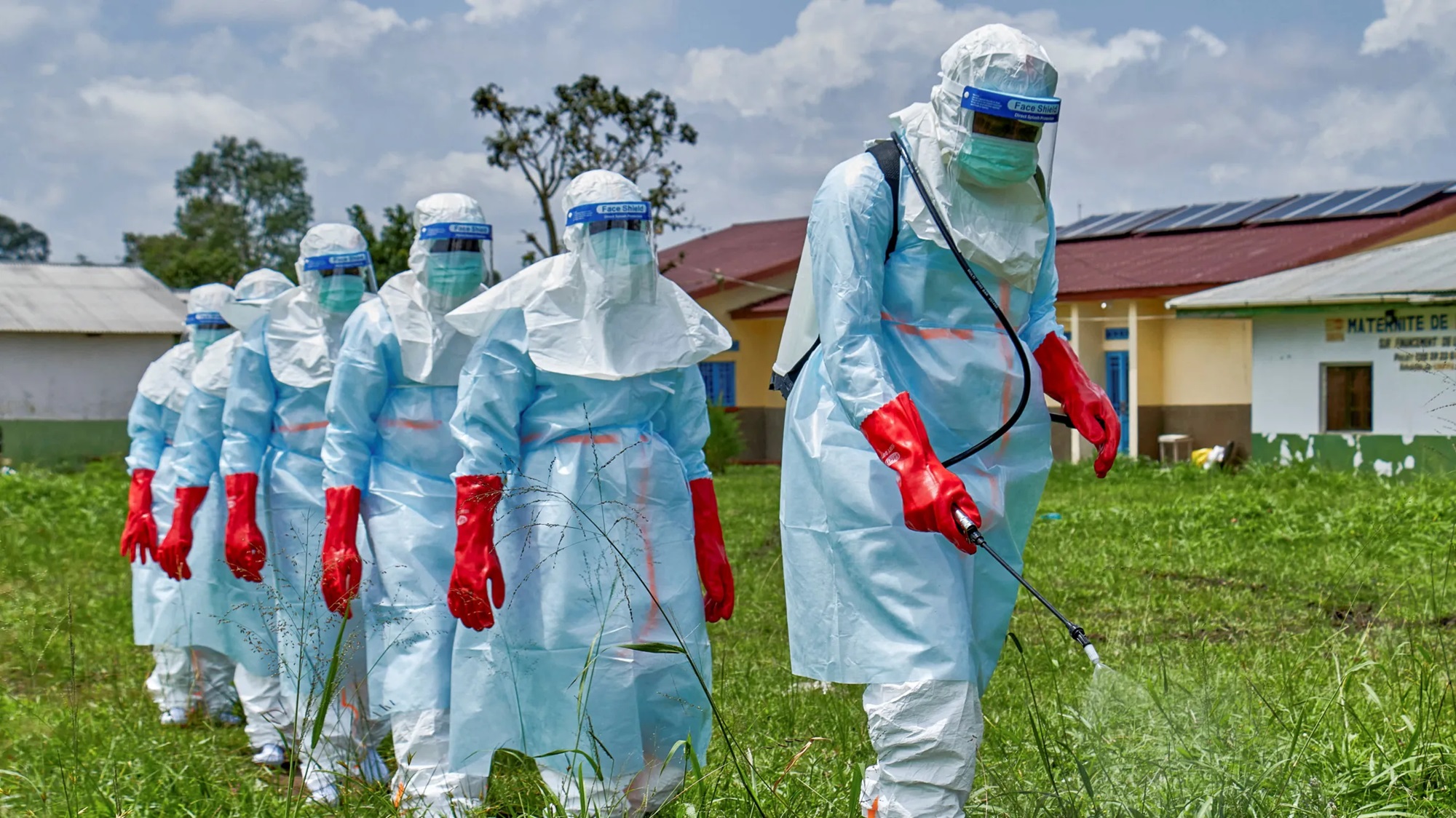
The Ebola outbreak in the Democratic Republic of the Congo has claimed nearly 1,000 lives, with health officials warning that the crisis is spreading faster than response teams can contain. Ongoing insecurity, community resistance, and strikes by health workers continue to hamper efforts to control the disease.
Death Toll Rises as Cases Continue to Climb
According to the Democratic Republic of the Congo's Ministry of Health, the outbreak had reached 2,473 confirmed cases and 999 deaths as of Monday. At least 737 patients are currently receiving treatment in hospitals or isolation centers.
The outbreak was officially declared on May 15 and has already become the fastest-growing Ebola outbreak ever recorded. Unlike previous outbreaks, it is caused by the Bundibugyo strain, for which there are currently no approved vaccines or treatments.
Health officials noted that the current outbreak has reached nearly 1,000 deaths in just a few months, compared with the 2013–2016 West Africa outbreak, which took around eight months to reach the same milestone before eventually causing more than 11,000 deaths.
WHO Warns Actual Cases Are Much Higher
The World Health Organization (WHO) estimates that the true scale of the outbreak could be two to four times higher than official figures.
Officials attribute the gap to limited access to conflict-affected areas, particularly in the outbreak's epicenter, where armed groups continue to operate. They also noted that many new infections are occurring outside the network of known contacts being monitored.
Ebola is a rare but highly contagious viral disease transmitted through contact with infected bodily fluids, including blood, vomit, and semen. The illness is severe and often fatal.
Unknown Transmission Chains Fuel Spread
Health authorities say 80% of newly reported infections are linked to unknown chains of transmission, making it increasingly difficult to trace contacts and contain the virus.
The outbreak has spread beyond Ituri Province, the epicenter, into four additional provinces.
The Africa Centres for Disease Control and Prevention (Africa CDC) reported that fewer than 9% of expected contacts are currently being monitored, well below the level required to interrupt transmission. More than 60% of deaths are occurring in communities before patients reach medical care.
Pierre Akilimali, Ebola response incident manager at the National Public Health Institute of the Democratic Republic of the Congo, said the high number of community deaths indicates that many infections are not being detected or isolated in time.
Security Challenges and Community Resistance Slow Response
Authorities say response efforts continue to face major obstacles, including attacks on health workers, shortages of burial supplies, and resistance from some communities.
Robert Ndjalonga, head of civil protection in Ituri Province, said some families refuse to allow official burial teams to conduct safe burials, instead insisting on traditional funeral practices that increase the risk of further transmission.
He added that burial teams have, on several occasions, required security escorts to carry out their work safely. Equipment shortages and the absence of operational burial teams in some affected areas have also delayed responses.
Health Workers Strike as Attacks Continue
Several health workers have gone on strike, saying they have not received salaries since the outbreak began.
Attacks on medical facilities and response teams have also forced aid organizations and frontline workers to suspend operations in some areas.
Last week, a member of a safe burial team was injured after attackers threw stones at their vehicle while it was returning from a burial in Bunia.
In Ituri's Irumu territory, local military authorities described Ebola as a greater immediate threat than the Islamic State-affiliated Allied Democratic Forces (ADF) insurgency and urged residents to cooperate with health workers rather than obstruct their efforts.
Africa CDC Calls for Urgent Action
Speaking at the Africa Health Summit in Ghana, Africa CDC Director-General Jean Kaseya warned that the outbreak could become one of the most severe Ebola crises ever recorded if transmission is not brought under control.
He called for stronger international support and intensified efforts to expand surveillance, improve contact tracing, and strengthen local response operations before the outbreak worsens further.
22/07/2026