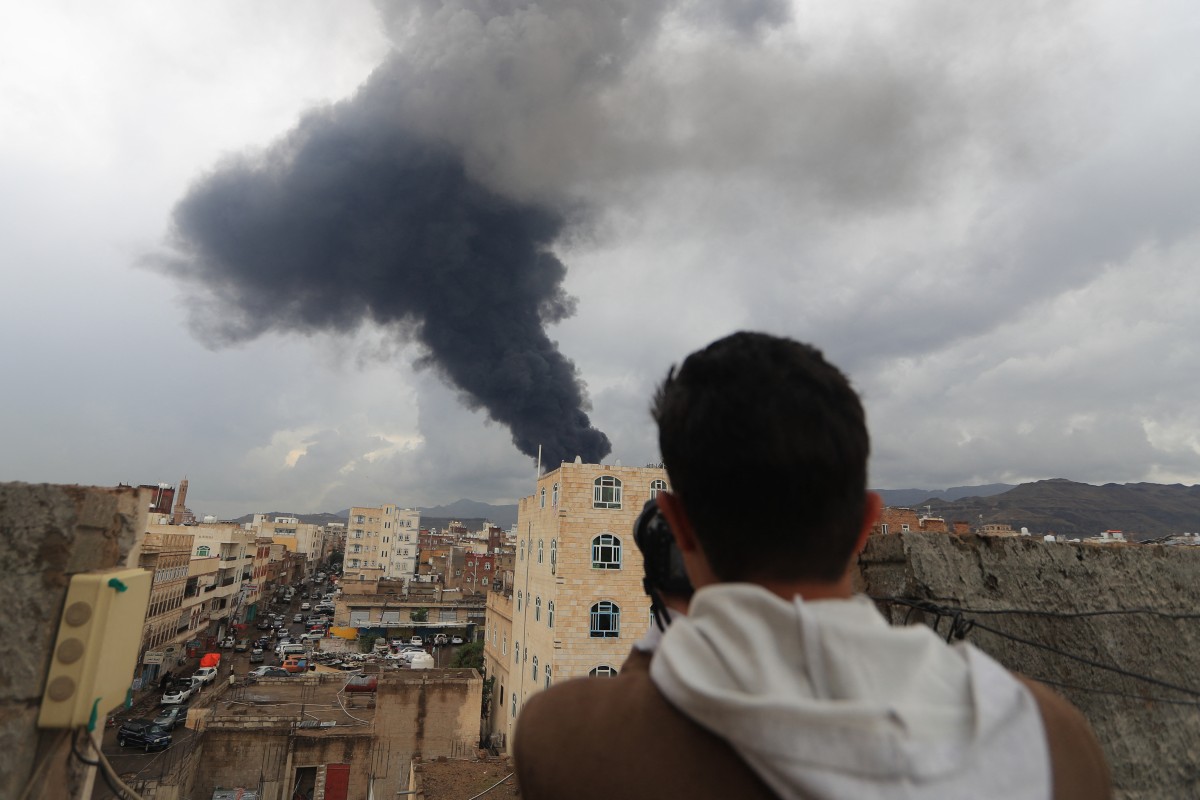
Gulf Oil Producers Accelerate Pipeline Projects to Bypass Strait of Hormuz
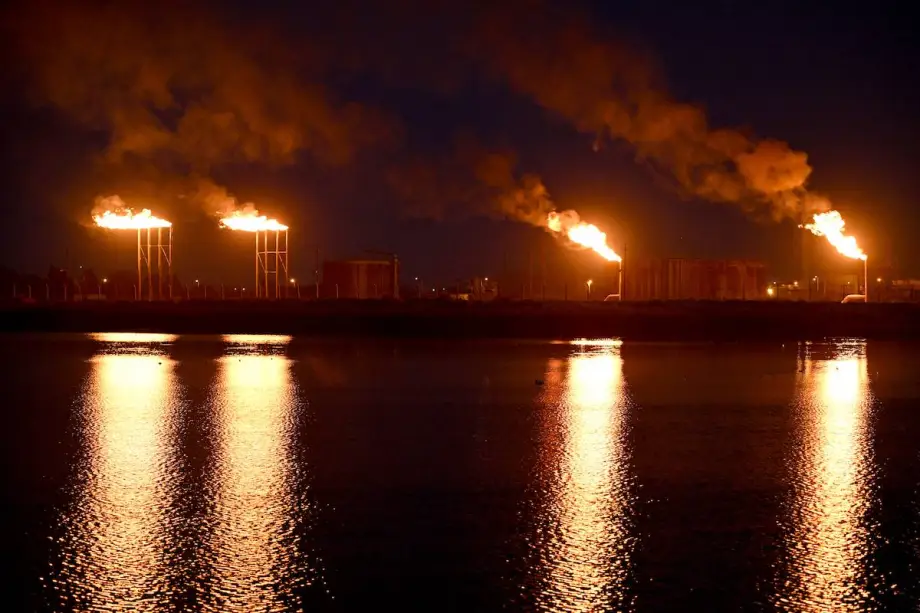
Middle Eastern oil producers are accelerating multi-billion-dollar pipeline projects to reduce reliance on the Strait of Hormuz, as the prolonged disruption of one of the world's busiest energy corridors continues to drive oil prices higher and reshape regional export strategies.
Gulf States Seek Alternatives to Hormuz
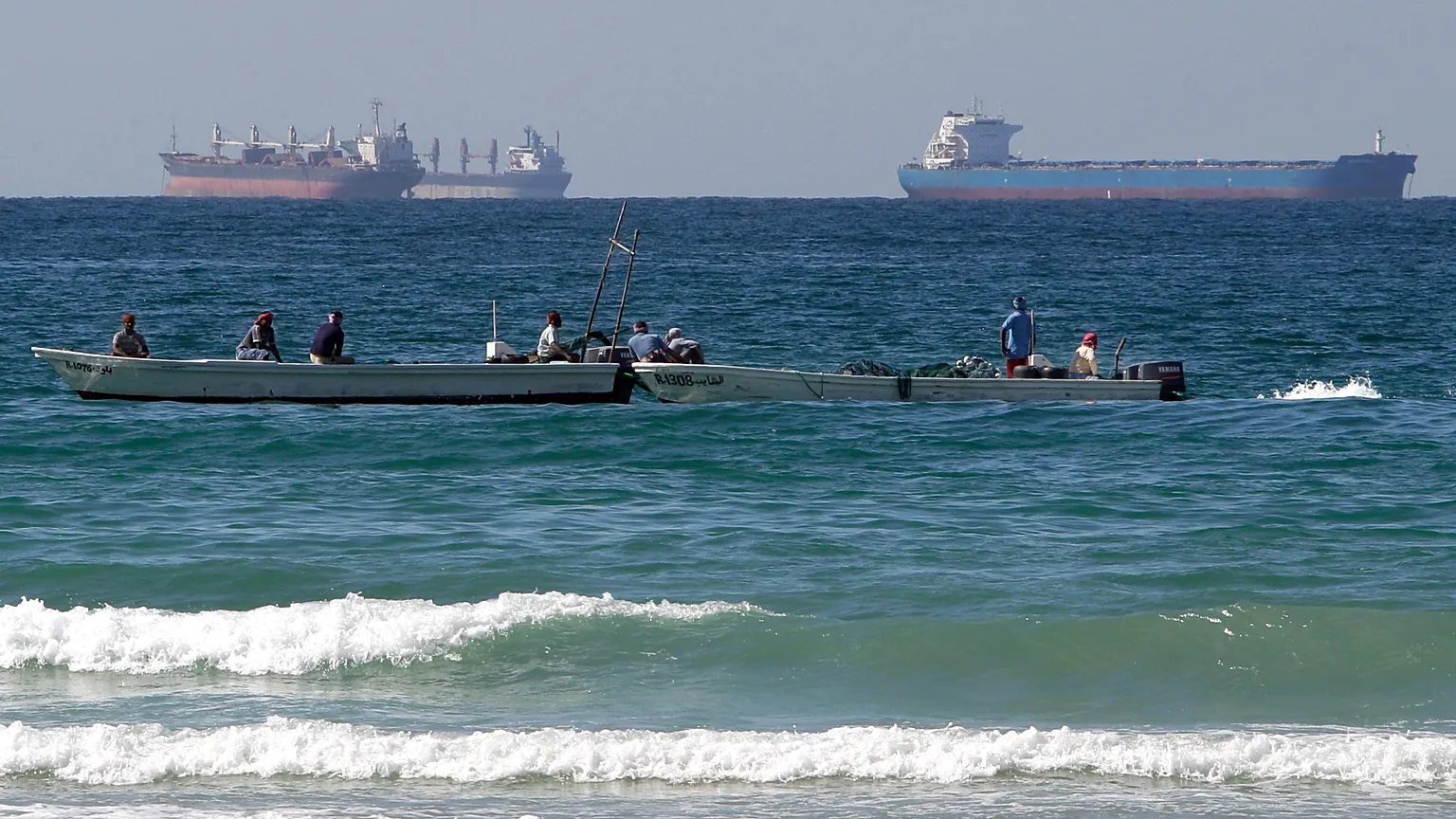
Before the conflict involving Iran, about 15 million barrels of oil from the Persian Gulf passed through the Strait of Hormuz each day. Within the next few years, a significant share of those exports could be rerouted through alternative pipelines.
Governments across the Gulf are investing billions of dollars in infrastructure designed to transport crude oil to ports on the Red Sea, the Gulf of Oman, and the Mediterranean, reducing dependence on the narrow waterway along Iran's coastline.
According to government officials, oil companies, and industry analysts, at least seven major pipeline projects are either under construction, in the planning stage, or under discussion.
Although alternative routes remain exposed to security threats, including recent Houthi threats against Saudi-linked shipping in the Red Sea, the conflict has reinforced Gulf producers' determination to diversify export routes.
Existing Routes Operating Near Capacity
Saudi Arabia's East-West Pipeline, originally built during the Iran-Iraq War in the 1980s, has become one of the region's most important alternatives.
The pipeline transports crude from Abqaiq to the Red Sea port of Yanbu, where oil is loaded onto tankers bound for the Arabian Sea or the Suez Canal.
The United Arab Emirates has also increased exports through Fujairah on the Gulf of Oman.
According to the U.S. Energy Information Administration, the Saudi and UAE pipelines previously had a combined spare capacity of 3.5 to 5.5 million barrels per day. Both systems are now operating close to full capacity.
UAE Expands Fujairah Pipeline
Abu Dhabi's state-owned oil company is accelerating construction of a $3 billion pipeline stretching approximately 300 kilometers to Fujairah.
Running parallel to an existing pipeline, the new route is expected to increase exports through Fujairah by more than 1.2 million barrels per day.
Construction began before the conflict but has gained urgency. Industry analysts estimate the project is roughly halfway complete and expect it to become operational in 2027 after the associated port expansion is finished.
Iraq Pursues New Export Corridors
Iraq, which relies on oil for about 90% of government revenue, is also moving to diversify export routes after being forced to reduce production because of disruptions in the Strait of Hormuz.
Baghdad is working with U.S. companies on a pipeline connecting Basra's southern oil fields to the Turkish Mediterranean port of Ceyhan.
The proposed network also includes a branch extending to Syria's Mediterranean port of Baniyas, with a potential capacity of about 2 million barrels per day.
Separately, Iraqi officials continue discussions with Jordan over a long-planned pipeline linking Basra to the Red Sea port of Aqaba, creating another export route to international markets.
Diversification Comes with New Challenges
Goldman Sachs estimates that the planned pipeline projects could redirect about 3.8 million barrels per day by the end of next year and approximately 7.3 million barrels per day by the end of 2028.
If completed, nearly 60% of the Gulf's pre-war oil exports of roughly 23 million barrels per day could avoid the Strait of Hormuz.
However, the alternative routes present new logistical and security challenges.
Pipelines terminating at Mediterranean ports require much longer shipping routes for Asian buyers, often involving voyages around southern Africa.
Oil exported through Saudi Arabia's Red Sea facilities also remains exposed to attacks by Yemen's Houthi movement near the Bab el-Mandeb Strait.
Although tankers can use the Suez Canal, its size restrictions prevent passage by the world's largest oil tankers, reducing transport efficiency.
Energy infrastructure itself also remains vulnerable. In 2019, a Houthi drone strike temporarily shut down Saudi Arabia's East-West Pipeline.
LNG Remains Highly Dependent on Hormuz
While Gulf producers move to reroute crude oil exports, analysts note that liquefied natural gas remains a more difficult challenge.
Before the conflict, roughly one-fifth of global LNG shipments—much of it exported from Qatar—passed through the Strait of Hormuz, and no comparable alternative export network currently exists.