Economic Expert: Iraqi Government Studying Currency Change Proposal to Boost Liquidity and Strengthen the Dinar
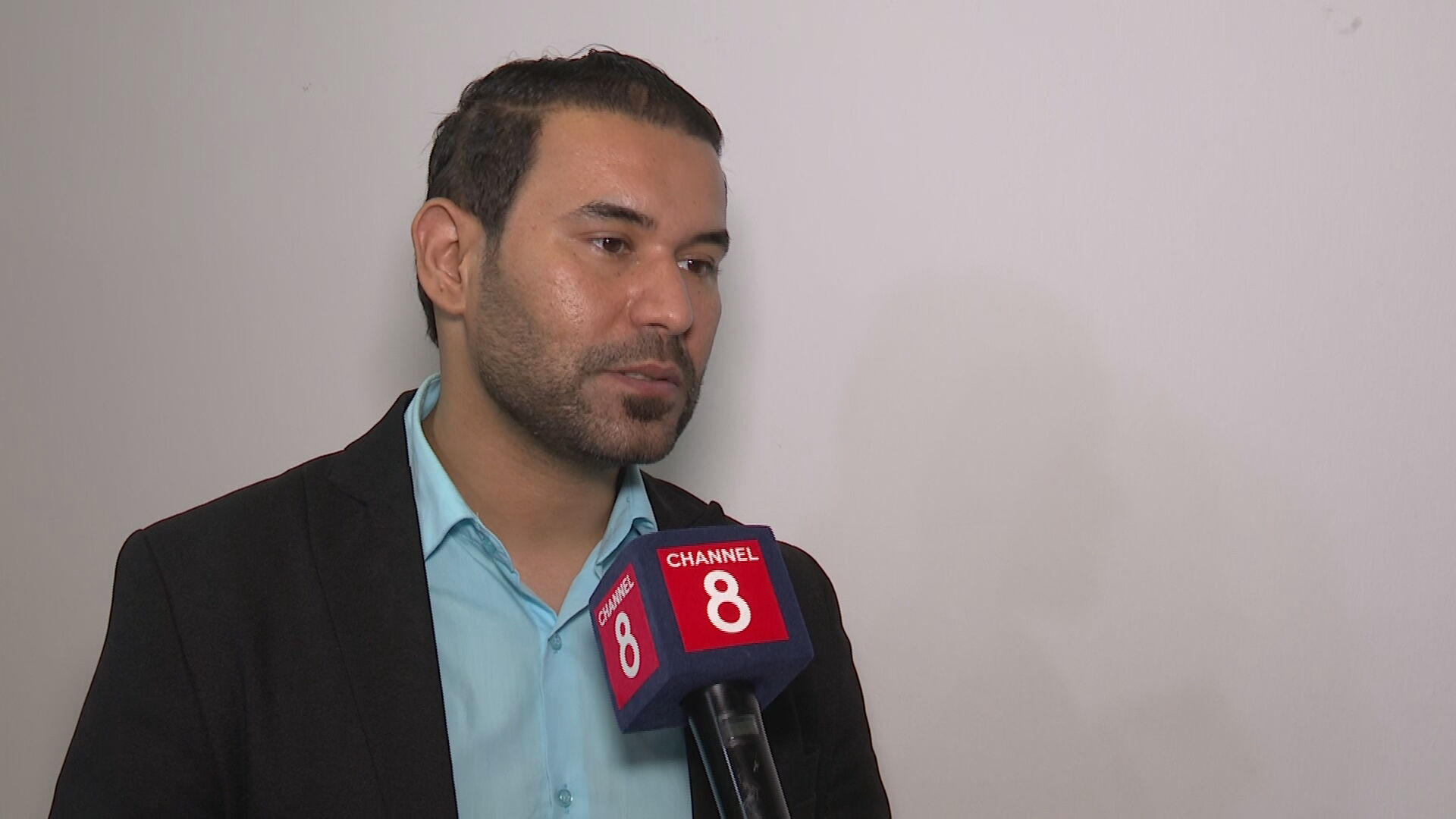
An economic expert has told Channel8 that the Iraqi government is studying a proposal to change the country's currency as part of broader economic reforms aimed at recovering hidden cash, increasing state liquidity, and strengthening the Iraqi dinar against the U.S. dollar.
Proposal Emerged After U.S. Visit
Speaking to Channel8, economic expert Haider al-Sheikh said Prime Minister Ali Faleh al-Zaidi's recent visit to the United States produced several economic outcomes, including the lifting of U.S. sanctions on seven Iraqi banks, allowing them to resume international transactions and rejoin the correspondent banking system.
Al-Sheikh said discussions following the visit also led to a proposal to overhaul Iraq's currency as part of efforts to improve financial liquidity.
According to al-Sheikh, the proposal currently being studied includes two possible approaches.
The first would introduce a redesigned Iraqi currency with new banknote designs across existing denominations.
The second would remove one zero from the currency as part of a redenomination process.
He stressed that the proposal does not involve printing larger denominations, such as IQD 50,000 or IQD 100,000 banknotes, but instead focuses on replacing the existing currency.
Recovering Hidden Cash
Al-Sheikh said the primary objective is to bring large amounts of cash held outside the banking system back into circulation.
He argued that much of Iraq's liquidity is held by individuals rather than the state, while government cash reserves remain limited.
Under the proposal, authorities would establish a limited period during which citizens could exchange existing banknotes for the new currency through government banks.
He said unusually large exchanges would be subject to scrutiny, allowing authorities to investigate the source of the funds and identify assets linked to corruption.
Al-Sheikh linked the proposal to al-Zaidi's anti-corruption "Dawn Campaign," which has led to the arrest of more than 40 suspects and the discovery of large quantities of cash allegedly hidden in private properties.
Expected Economic Impact
Al-Sheikh said changing the currency could help increase government liquidity, stabilize the exchange market, and strengthen the Iraqi dinar against the U.S. dollar.
He added that the government hopes the measure would improve public confidence in the national currency and reduce the volume of cash circulating outside the formal banking system.
Al-Sheikh noted that a separate proposal to adjust Iraq's official exchange rate had been discussed under former Prime Minister Mohammed Shia al-Sudani, including the possibility of setting the rate at IQD 140,000 per $100.
He said that proposal is no longer being pursued, and the current government's focus has shifted toward changing the currency itself rather than altering the exchange rate.
Additional Financing and Legislative Process
Al-Sheikh also claimed that Iraq secured between $2 billion and $3 billion in loans and financial grants from the United States during the prime minister's visit. He added that Qatar, the United Arab Emirates, and other countries are also expected to provide additional financing.
According to al-Sheikh, the currency proposal remains under study and will be reviewed by the Ministerial Council for the Economy, the Ministry of Finance, the Central Bank of Iraq, and a joint consultative committee before being submitted to the Council of Ministers and later to Parliament if approved.
He estimated that, if adopted, implementation could take approximately five to six months.
Al-Sheikh said Iraq's currency remains among the weakest-performing in the Middle East and argued that a well-planned currency reform, supported by research from the Central Bank and the Ministry of Finance, could contribute to increasing the value of the Iraqi dinar against the U.S. dollar.
He emphasized that the proposal remains under government review and has not yet been formally approved.
25/07/2026