Al-Zaidi Orders Advanced Models for Oil Sector to Maximize Revenue
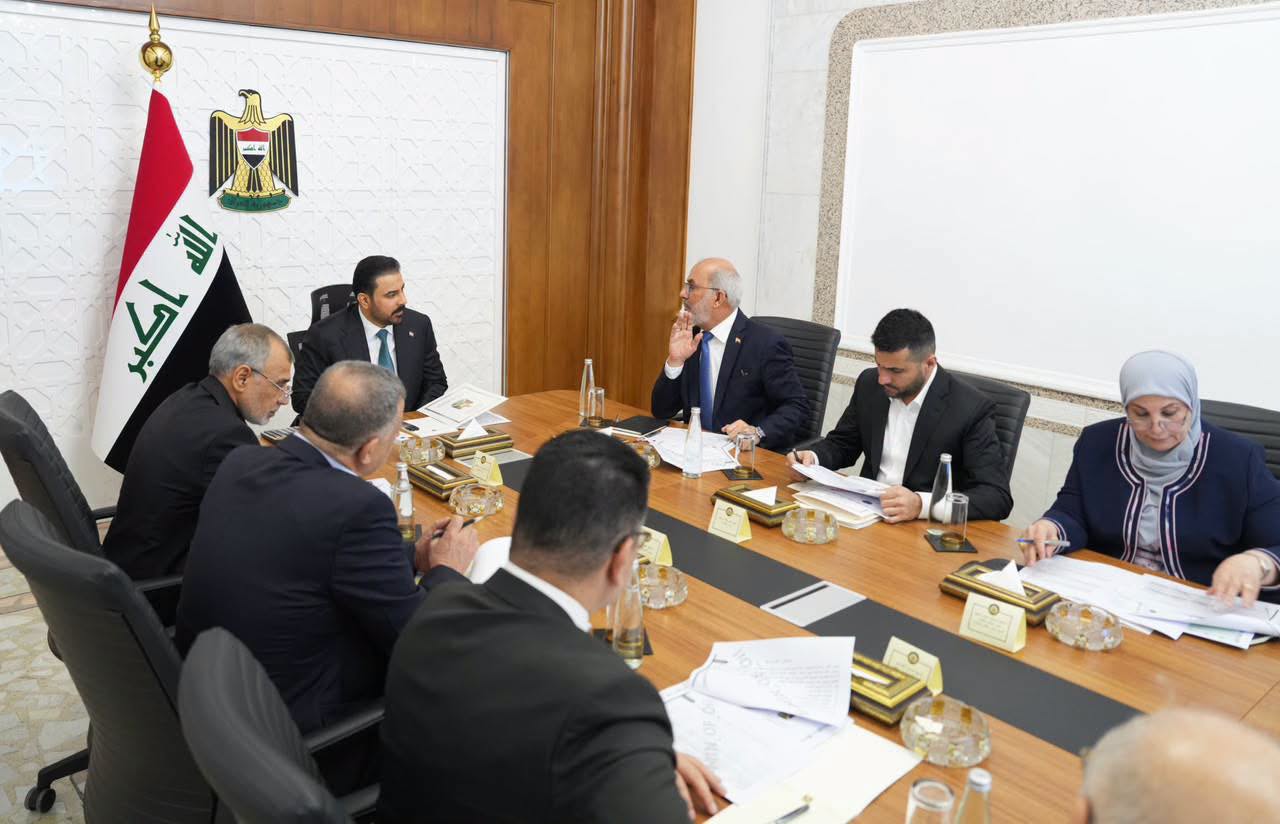
The Iraqi government has directed the energy sector to adopt international best practices following a comprehensive Ministry of Oil financial study on refining and distribution performance.
Prime Minister Ali Faleh al-Zaidi chaired a regular session of the Ministerial Council for Energy on Sunday, attended by its members and in the presence of the Minister of Oil, Engineer Basim Mohammed Khudair.
The Council reviewed a financial analysis detailing the inputs and outputs of the petroleum refining and distribution sectors, compiled by the Ministry of Oil's Economic Department.
The study provided key indicators and assessments aimed at enhancing sector management efficiency and boosting overall operational performance.
Al-Zaidi Directs Global Best Practices to Modernize Sector
Al-Zaidi directed the development of advanced models for the oil sector based on international best practices to improve production, refining, and distribution processes.
The initiative aims to maximize state revenues and increase resource investment efficiency in line with the government's strategic vision to strengthen the national economy.
Iraq Speeds Up Oil Route Diversification
Iraq is accelerating the diversification of its oil transit networks to mitigate severe revenue losses caused by regional maritime export disruptions.
Following a landmark transit pact with the Kurdistan Regional Government, the federal Ministry of Oil has stabilized transit by routing Kirkuk crude back through the pipeline infrastructure to Turkey’s Ceyhan terminal.
Baghdad is additionally deploying land-based tanker fleets and fast-tracking a strategic cross-border pipeline project through Syria to the Mediterranean Sea to reduce dependence on volatile Gulf chokepoints.
Al-Zaidi Finalizes Infrastructure Deals in Washington
During an official visit to Washington, al-Zaidi concluded 48 bilateral agreements valued at $60 billion, aimed at establishing an economic and energy partnership with the United States.
Additionally, al-Zaidi finalized development frameworks with international energy firms, including Chevron, ExxonMobil, and a BP–ConocoPhillips consortium, alongside primary oilfield service providers to expand public-private infrastructure.
As part of this ongoing expansion, the Ministry of Oil officially activated an operational contract with U.S.-based HKN Energy to develop the Hamrin oilfield earlier this month.
2 hours ago