Iraqi Electricity Minister to Address Parliament: Kurdish Lawmakers Seek Answers on Power Deficit
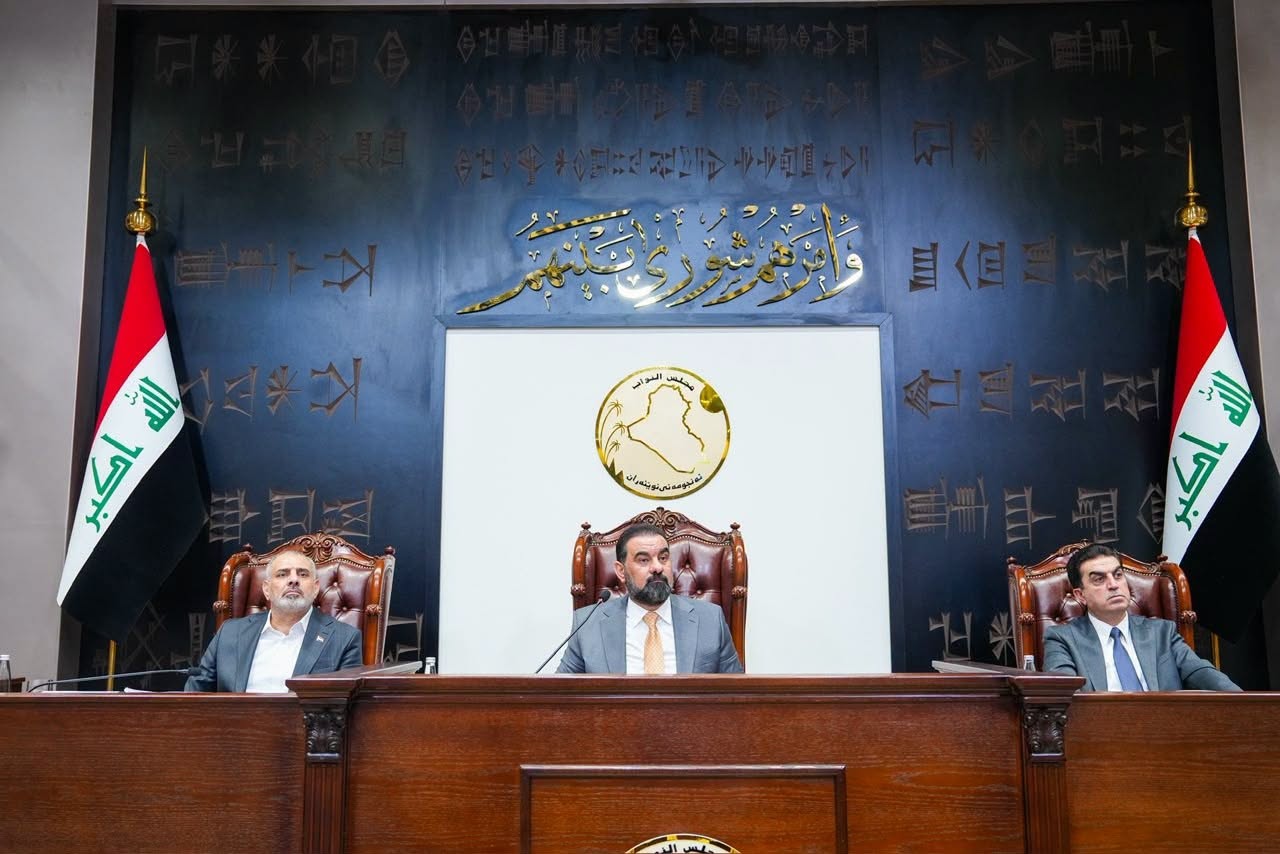
Iraqi Electricity Minister Ali Saadi Wahb is scheduled to appear before lawmakers as Kurdish blocs prepare to address the Kurdistan Region's electricity crisis and security threats to local gas fields.
Minister Wahb, accompanied by senior ministry officials, is scheduled to attend a session of the Council of Representatives later today.
The briefing was convened at the request of Speaker Haibat al-Halbousi to address the systemic electricity shortages across Iraq and outline the core challenges facing the ministry.
Kurdish Lawmakers to Press Electricity Minister
Dilan Ghafoor, the spokeswoman for the Patriotic Union of Kurdistan (PUK) bloc, announced that lawmakers will closely monitor the Kurdistan Region's electricity situation during the upcoming session.
She noted that improving electricity in the Kurdistan Region directly impacts neighboring governorates, adding that lawmakers will question the minister regarding the specific security threats driving the decline in regional power production.
The Kurdistan Region faces an electricity crisis driven by a supply deficit, which has reduced the availability of 24-hour power generation.
This shortage is aggravated by ongoing security threats and attacks against vital infrastructure like the Khor Mor gas field, which supplies the majority of the region's power plants.
The PUK bloc spokesperson emphasized that today's session is strictly intended for clarification and responding to inquiries.
However, if the minister's responses fail to satisfy lawmakers or lack a definitive strategic plan, she added that the proceeding will shift toward formal questioning and accountability mechanisms on the parliament floor.
Official Warns of Persistent Power Supply Imbalance in Iraq
Meanwhile, former Ministry of Electricity spokesperson Ahmed Musa indicated that an immediate solution to the electricity crisis remains unlikely.
Current statistics show that Iraq's total power production falls short of 29,000 megawatts, while actual public demand exceeds 60,000 megawatts. This substantial deficit indicates that the power supply imbalance will persist in the near term.
1 hour ago