Netanyahu Departs for Washington to Meet Trump Over Iran
At a Glance
- Netanyahu holds first face-to-face talks with Trump since Iran conflict escalation.
- High-stakes meeting focuses on Iran, regional security, and the Gaza enclave.
- Summit comes amid recent diplomatic friction and upcoming Israeli elections.
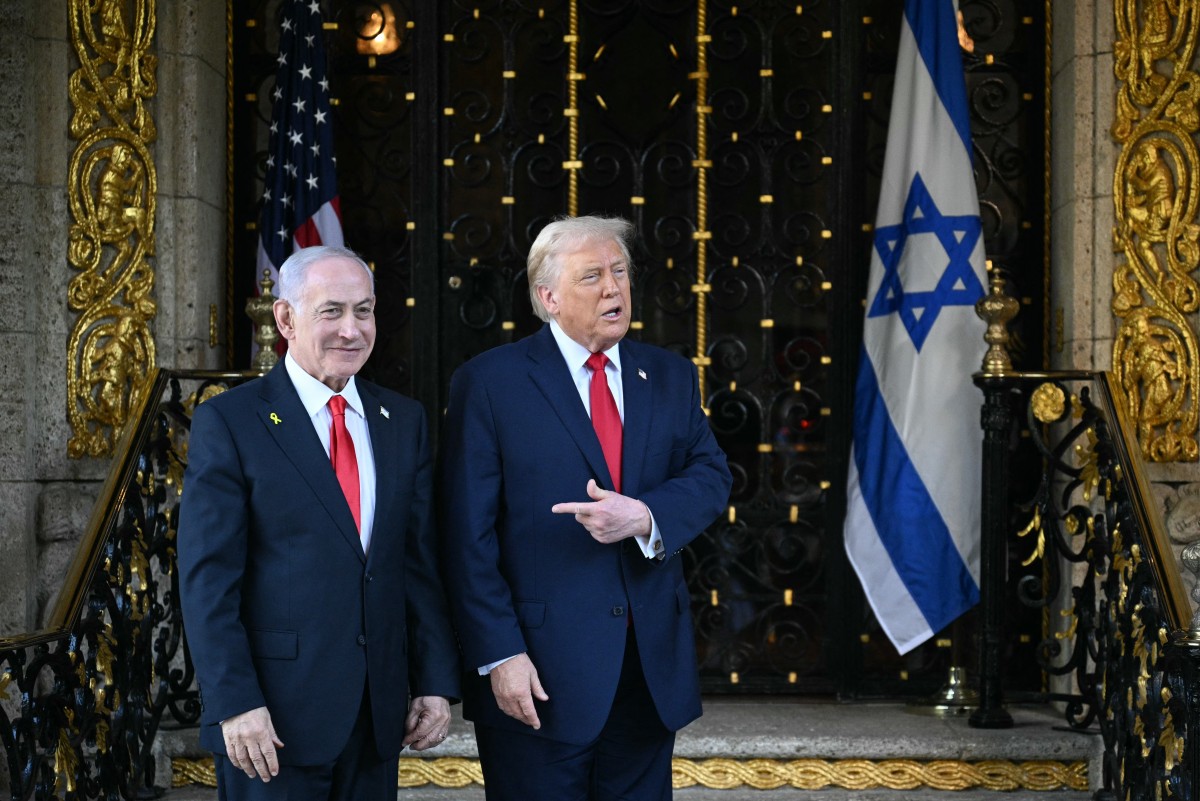
Israeli Prime Minister Benjamin Netanyahu has departed for Washington to conduct his first face-to-face summit with US President Donald Trump since the start of the conflict with Iran, seeking to align strategic goals and discuss regional security frameworks.
Key Statements and Focus Area
- Strategy on Iran: Highlighting the overarching theme of the visit, Prime Minister Netanyahu stated, "In these complex times, you need to act with both great determination and great wisdom."
- Security and Peace Agenda: Outlining the dual objectives of the talks, Netanyahu noted, "We will discuss all the issues on the agenda, primarily Iran. Of course, our goal is to protect our security and also to expand the circle of peace around us."
- Addressing Divergent Interests: The bilateral talks follow weeks of acknowledged differences between the two leaders, including a strained phone call in June where reported friction exposed growing divisions in US and Israeli strategic priorities.
High-Stakes Summit in Washington
The visit marks Prime Minister Benjamin Netanyahu’s eighth meeting with President Donald Trump since the US leader returned to office, and their first direct consultation since early February—just prior to the launch of a joint US-Israeli aerial operation targeting Iran.
The meeting comes on the heels of a two-week US bombing campaign against Iranian positions that triggered retaliation toward American bases before Trump announced a pause over the weekend. While Tehran indicated it would halt strikes during the US pause, Israel has maintained a strict warning that any direct aggression would elicit a forceful response.
Strategic Concessions and De-escalation
In an apparent bid to align with Washington's broader regional vision, Israel signaled approval for a multinational security force to enter Gaza under Trump's proposed peace framework. Additionally, Israel recently completed a partial redeployment of forces in southern Lebanon following US-backed arrangements with Lebanese authorities.
These gestures reflect ongoing efforts to manage strategic differences, particularly after public leaks confirmed acute tensions between Washington and Jerusalem regarding the trajectory of military actions in the Middle East.
Domestic Political Implications
The diplomatic visit provides Netanyahu with a crucial international stage as he prepares for Israel’s upcoming election on October 27. Facing challenging domestic opinion polls, showcasing a functional working relationship with the US administration remains a primary political objective, even as domestic support for Israel across key US demographics faces ongoing shifts.
News Lens
The Washington summit underscores a critical juncture in US-Israeli relations, balancing tactical military coordination with long-term regional diplomacy. As both nations navigate fragile ceasefires with Tehran and post-conflict stabilization efforts in Gaza and southern Lebanon, the personal dynamic between the two leaders will directly shape the strategic landscape of the Middle East heading into the late-2026 political cycle.
1 hour ago