Iraq and Turkey Agree on 12-Month Temporary Oil Deal
At a Glance
- Iraq and Turkey finalize 12-month interim oil export pact.
- Kirkuk–Ceyhan pipeline operations continue despite long-term treaty expiration.
- Ankara demands higher transit fees and full capacity utilization.
After several months of extensive discussions, Baghdad and Ankara signed an interim agreement regarding oil in July, while efforts from both sides continue to reach a long-term agreement.
Key Statements and Focus Area
- Sustaining Temporary Flow: Iraqi spokesperson Salim al-Rikabi stated that the ministry is currently working to sign a temporary protocol to keep operations running until a permanent bilateral treaty is established.
- Imminent Agreement Execution: Turkish Minister Alparslan Bayraktar announced that both nations have finalized the text for a new 12-month deal and will officially sign it in the coming days.
Salim al-Rikabi, the spokesperson for the Iraqi Ministry of Oil, told Channel8 that the ministry is currently working to sign a protocol to extend the temporary agreement with Turkey until both countries reach a permanent oil agreement between them.
Meanwhile, on July 10, Turkish Energy Minister Alparslan Bayraktar announced that his country had reached the final text of a new 12-month oil agreement with Iraq, stating it would be signed soon.
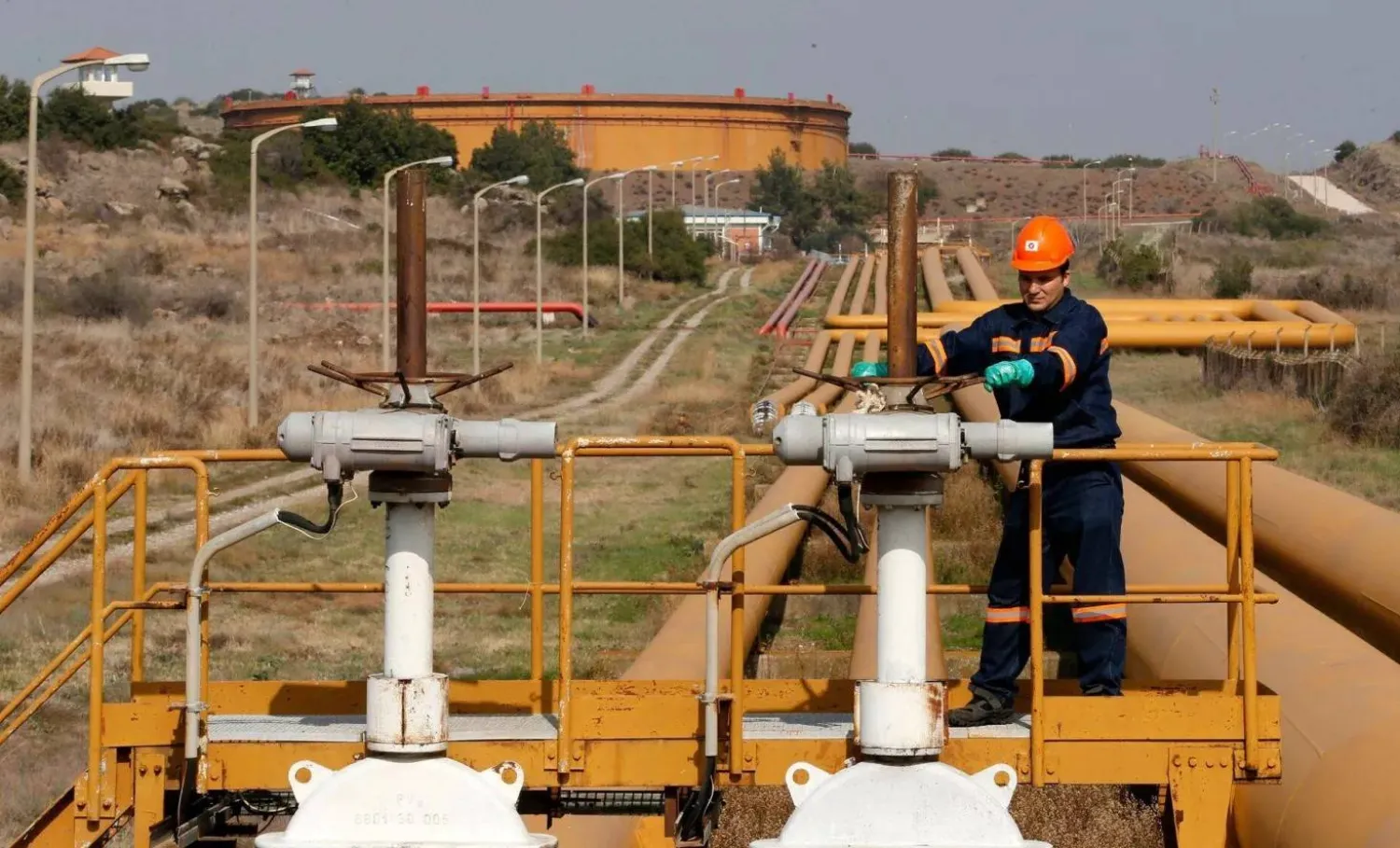
Regarding Iraqi oil exports, Bayraktar also stated that oil exports through the Kirkuk–Ceyhan pipeline will continue. For this purpose, they have reached the final text of a new oil agreement with Iraq.
Regarding the duration and timing of the signing, the Turkish Energy Minister indicated that their agreement with Iraq is for 12 months, and they will publish and sign the text in the coming days.
News Lens
Earlier this month, a delegation from the Iraqi Ministries of Foreign Affairs and Oil, along with the Ministry of Natural Resources, visited Ankara to discuss the issue of resuming exports and signing the new agreement with the Turkish Energy Minister.
On July 27, the long-term oil agreement between Baghdad and Ankara expired, and Turkey announced a year ago that it would not extend the agreement. The history of the agreement dates back to 1973, and it was extended in 2010 for an additional 15 years.
Regarding export capacity and costs, Turkey is requesting that the Kirkuk–Ceyhan pipeline be utilized at its full capacity of 1.5 million barrels. Concurrently, it is requesting that its country's transit fees and benefits for transporting Iraqi oil be increased.
Explaining the reason for setting the agreement's duration to one year, the Turkish Energy Minister stated that due to disputes between both sides over the text of a new long-term agreement, it was decided to first establish a new agreement for one year, after which negotiations for a long-term agreement would begin.
28/07/2026