MP Dilan Ghafoor: July Salaries Secured but Unresolved Liquidity Crisis May Force Government Borrowing
At a Glance
- Kurdish MP warns Iraq faces its most severe financial crisis in twenty years.
- July salaries for Kurdistan Region public sector face potential distribution delays.
- Massive currency hoarding by citizens starves state banks of liquid dinars.
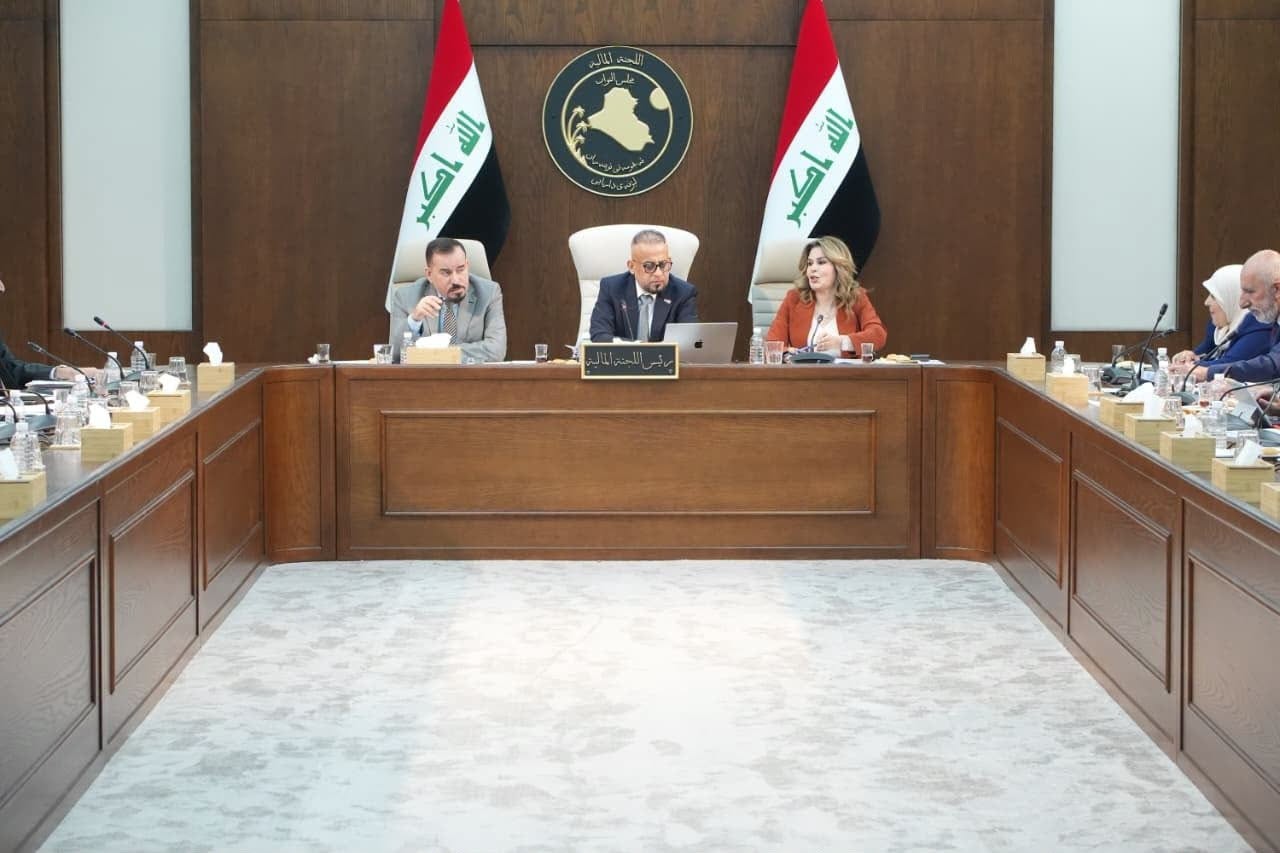
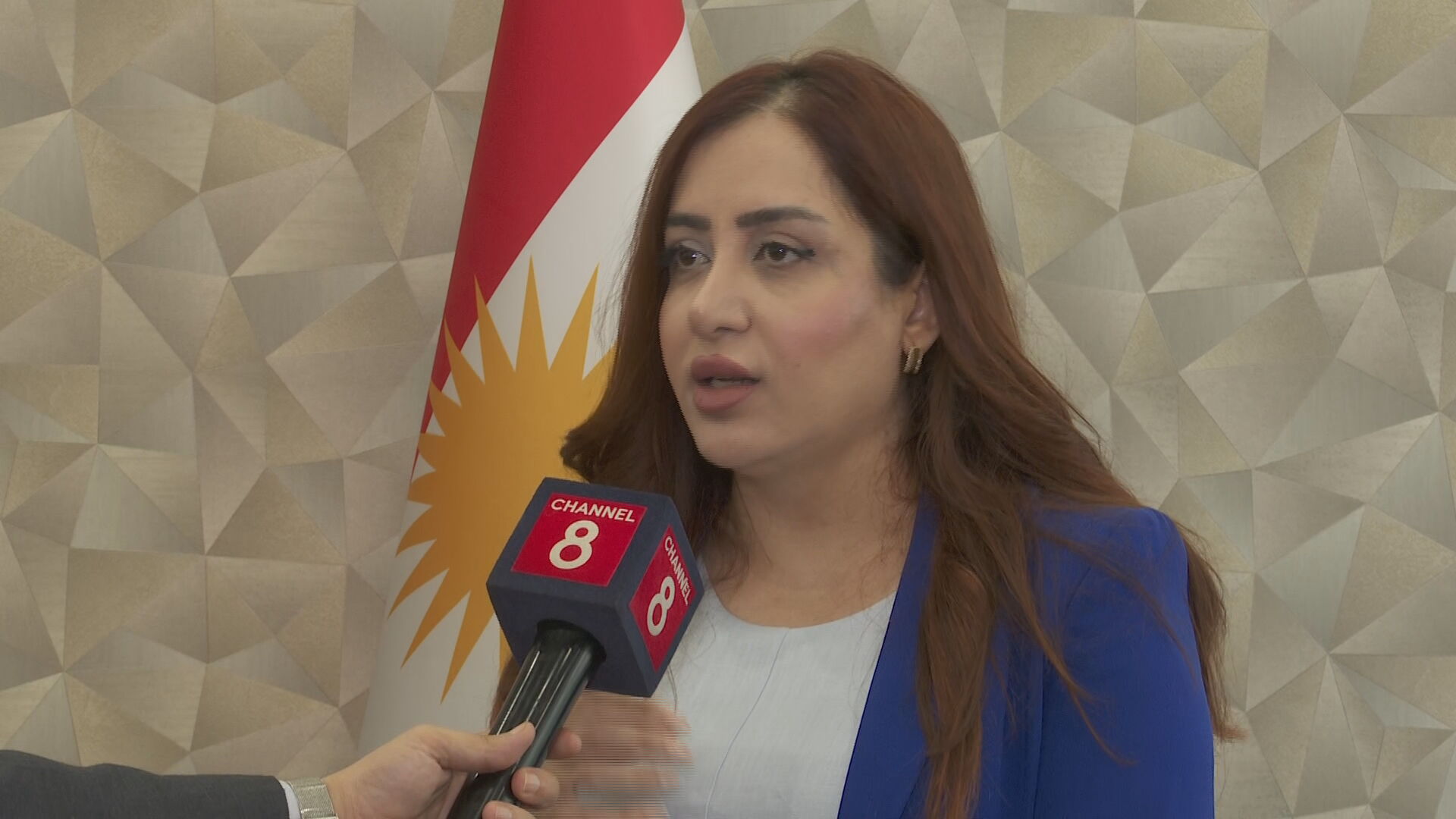
Dilan Ghafoor, a Kurdish lawmaker in the Iraqi parliament, stated that July salaries for Kurdistan Region public sector employees will be paid despite potential minor distribution delays, noting that if the cash liquidity crisis is not resolved, the federal government will be forced to resort to domestic and foreign borrowing to secure salaries in the coming months.
Key Statements and Focus Area
- Salary Protections and Borrowing: MP Dilan Ghafoor stated July salaries will be paid despite delays, warning the state must borrow if the liquidity crisis continues.
- Strait of Hormuz Vulnerabilities: Ghafoor stressed Iraq faces its worst economic period in twenty years, stating the crisis stems from the Strait of Hormuz closure.
- Domestic Cash Hoarding: The lawmaker noted the bank liquidity crunch persists because cash has stopped circulating within government channels due to public hoarding.
Speaking to Channel8, Ghafoor stressed that "Iraq is navigating a severe financial crisis, marking the most challenging economic period the nation has endured over the past twenty years."
The lawmaker stated that the ongoing financial crisis stems primarily from the operational closure of the strategic Strait of Hormuz.
Ghafour criticized successive administrations for their failure to diversify the nation’s energy export corridors. By relying exclusively on the Strait of Hormuz, the country has failed to develop alternative transit routes, leaving the economy structurally vulnerable to catastrophic financial fallout during times of regional instability.
The lawmaker addressed the root cause of the dinar shortage in banks, highlighting that the primary reason for the lack of liquidity is that cash is no longer circulating within government and banking channels.
She explained that citizens are hoarding cash inside their homes, leaving the government unable to regulate these funds or reintegrate them into the banking system.
Ghafour emphasized that due to this liquidity crisis, the Iraqi government and the Ministry of Finance are facing significant obstacles in funding service projects and public salaries, adding that this situation has placed a heavy burden on public finances, highlighting an urgent need for radical reforms within the financial and banking systems.
News Lens
Iraq remains fundamentally a mono-economy, relying on oil exports for over 90% of its state revenue.
Despite an agreement to resume oil exports via the Kurdistan Region's pipeline to Turkey, and recent bilateral efforts to reconstruct and revive the long-defunct 800-kilometer Kirkuk–Baniyas pipeline to Syria, ongoing closures and technical development phases have left Iraq's federal budget almost entirely dependent on southern maritime exports.
Ministry of Finance data reveals that Iraq's oil revenues dropped to 84% of budget income at 26.94 trillion dinars during the first five months of 2026, causing the state deficit to skyrocket fifteenfold to 12.95 trillion dinars.
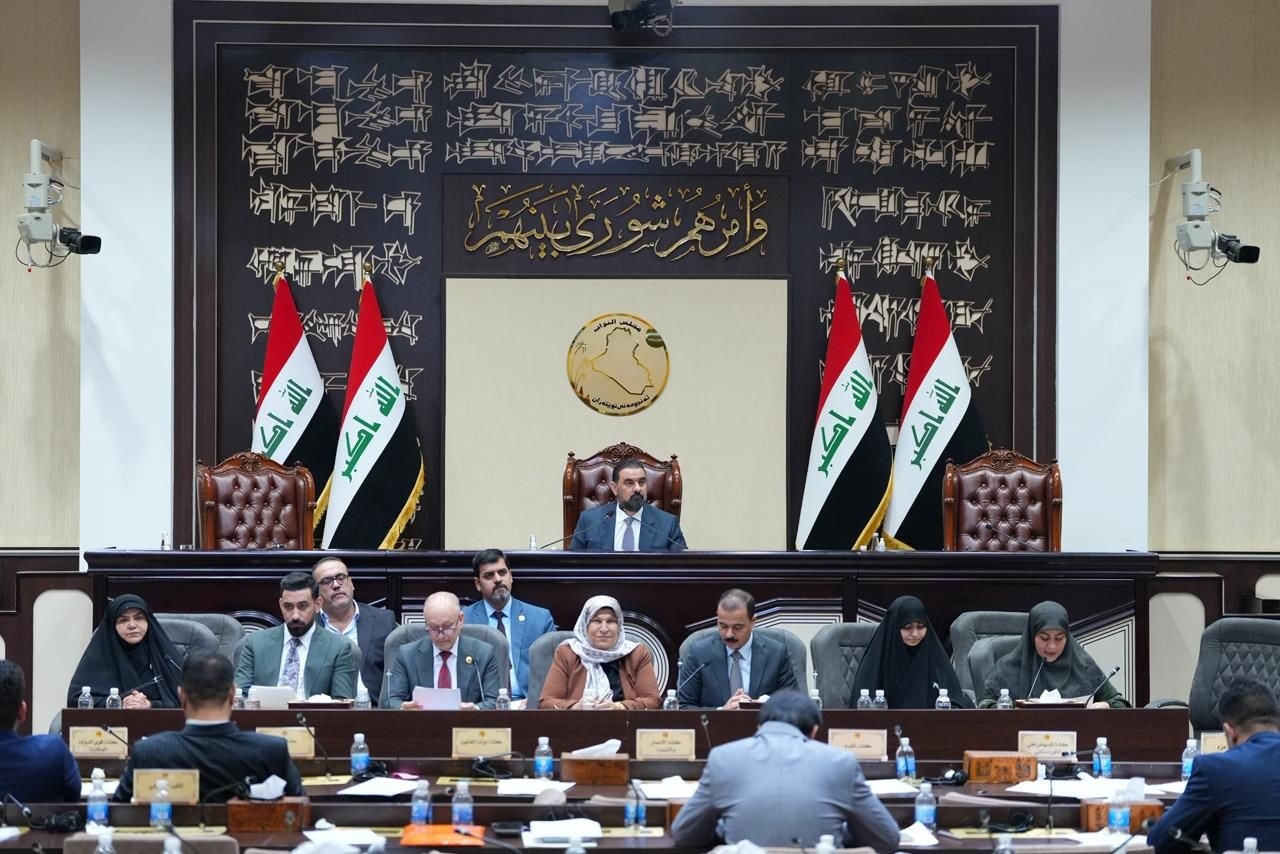
Because oil export disruptions through the Strait of Hormuz have slashed monthly revenues, the Parliamentary Finance Committee is pushing emergency draft laws. This legal framework allows the Ministry of Finance to secure emergency domestic loans and foreign financing to cover the immediate public payroll deficit while state cash reserves are depleted.
Meanwhile, the CBI has mandated an aggressive transition toward digital transactions to systematically eliminate reliance on paper currency. Earlier, economic expert Haider al-Sheikh told Channel8 that Iraq is studying a currency overhaul and redenomination proposal to flush out hoarded cash, boost bank liquidity, and curb corruption under Prime Minister Ali Faleh al-Zaidi's administration.
The government is actively reviewing this proposal to change the national currency to force hoarded cash back into the financial system. Under this plan, citizens would be given a strict, limited time window to exchange old banknotes for a newly designed currency through state banks. This measure is designed to flush out illicit and hidden assets.