KRG Proposes Key Changes to Federal Budget Netting Mechanism
At a Glance
- Fuel Market Regulation: Fixed gasoline pricing deemed inappropriate; anti-monopoly market monitoring urged.
- Energy Rights: Kurdistan Regional Government demands a 14% share of Iraq's refined oil and 450 IQD gasoline.
- Fiscal Reform: KRG calls for removing "actual expenditure" criteria and securing a full budget share for 2027.
- Monthly Deductions: Baghdad continues 120 billion IQD monthly non-oil revenue deductions via netting mechanisms.
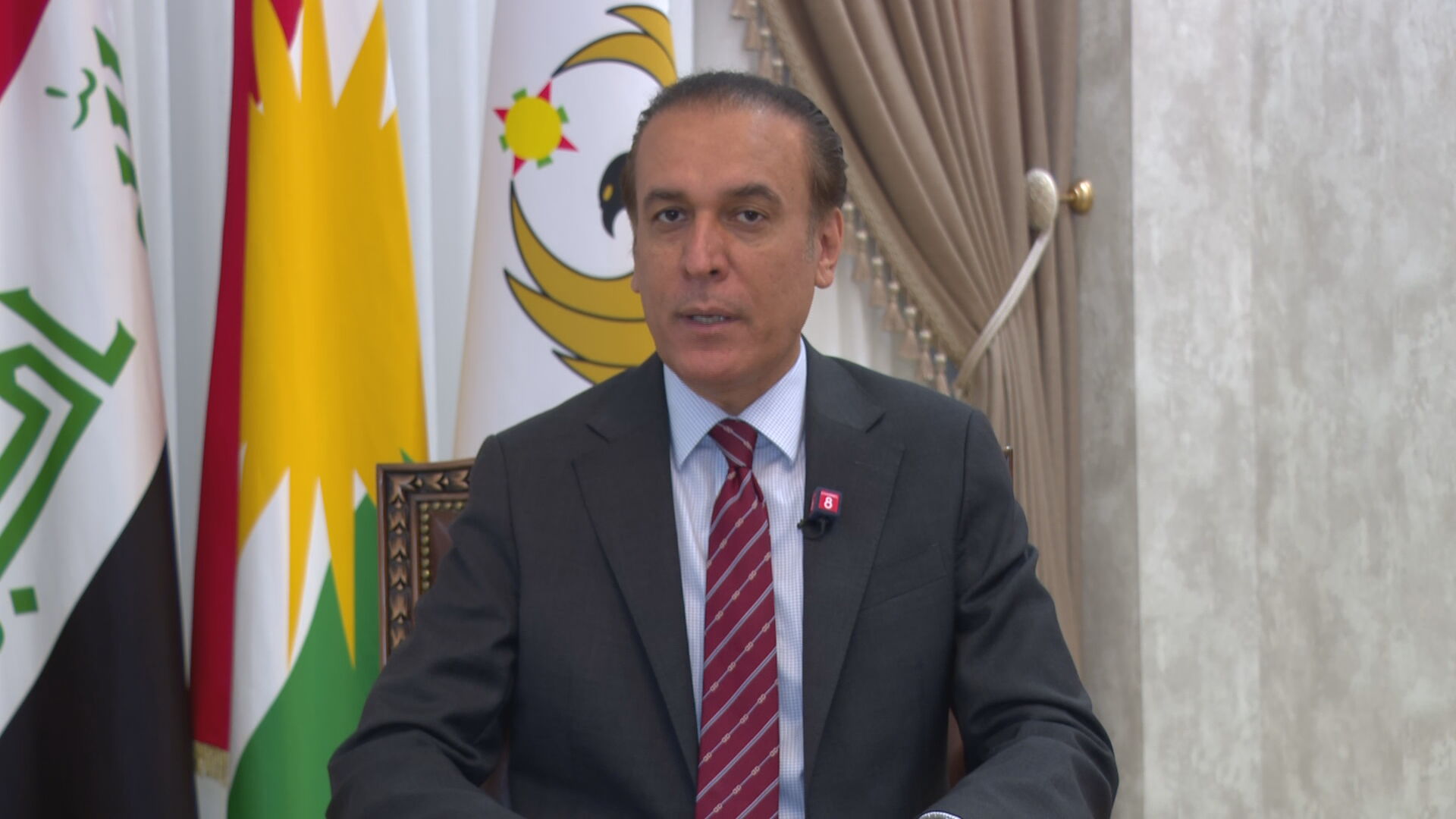
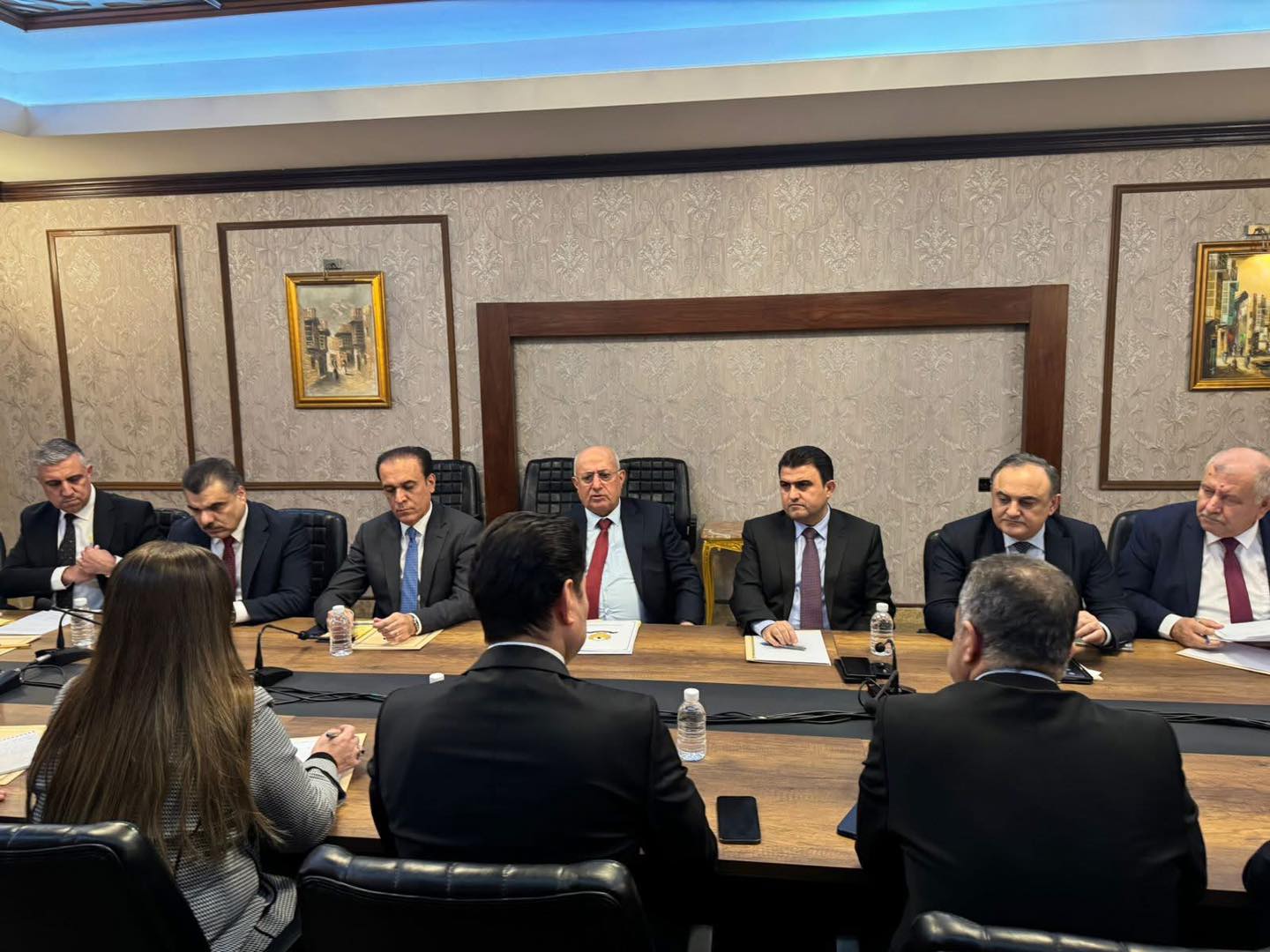
Dr. Amanj Raheem, Secretary of the Council of Ministers of the Kurdistan Regional Government (KRG), has called on Baghdad to grant the Kurdistan Region its full 14% share of refined oil while urging local energy officials to dismantle market monopolies to resolve the region's ongoing fuel crisis.
Key Statements and Focus Area
- Gasoline Pricing & Monopoly: "Imposing a fixed price for gasoline is currently not appropriate... The Ministry of Natural Resources must closely monitor the gasoline market to eliminate monopolization."
- Equitable Energy Distribution: "Gasoline priced at 450 IQD must also be supplied to the citizens of the Kurdistan Region. The federal government must treat everyone equally and provide the Region with 14% of Iraq's refined oil."
- Budget Restructuring: "The issue of actual expenditure must be removed from the 2027 budget. The Kurdistan Region must receive its full budget share in 2027, not just salaries."
- Revenue Deductions: "So far, Iraq continues to demand 120 billion IQD in non-oil internal revenue from the Region. Monthly, Iraq deducts the 120 billion dinars through financial set-offs (netting) and sends the remaining salaries."
Fuel Market Monitoring and Regional Allocations
Addressing the severe energy challenges facing consumers in the Kurdistan Region, Dr. Amanj Raheem stressed that enforcing rigid price caps on gasoline is currently impractical. Instead, he called on the KRG Ministry of Natural Resources to heighten market oversight to curb anti-competitive behavior and eliminate monopolistic practices across local distribution networks.
Raheem emphasized that equal treatment by federal authorities in Baghdad is essential to addressing fuel deficits. He asserted that the Kurdistan Region is constitutionally entitled to a 14% share of Iraq's total refined oil output, demanding that subsidized fuel, currently distributed across federal provinces at 450 IQD per liter, be made available to residents in the Region. He confirmed that the KRG Cabinet will formally convene tomorrow to debate solutions to the fuel crisis.
Federal Budget Dispute and Financial Netting
Turning to broader macroeconomic relations with Baghdad, the Cabinet Secretary outlined critical prerequisites for future federal budget negotiations. Raheem urged Iraqi lawmakers to completely dismantle the "actual expenditure" mechanism from the upcoming 2027 federal budget draft, insisting that Erbil must receive its full budget entitlement rather than transfers limited strictly to public sector payrolls.
Detailing current financial flows, Raheem revealed that the federal government continues to mandate a monthly submission of 120 billion IQD in non-oil internal revenues from the Region. According to Raheem, Baghdad routinely offsets and deducts this sum directly from regional budget transfers before releasing salary funds for civil servants.
FYI:
Negotiations between Erbil and Baghdad remain stalled over oil export mechanisms, non-oil revenue sharing, and federal budget execution laws. The KRG continues to contest Baghdad's calculation of regional revenues and the use of netting practices, arguing that automatic monthly deductions compound public infrastructure deficits and worsen regional energy shortages.

.webp)